
This article outlines the importance of hydration for the elderly, signs and symptoms of dehydration, causes, and practical strategies caregivers can use to help their loved ones stay hydrated. It will also point out products that can be used to help seniors stay hydrated and provide resources for caregivers seeking additional information. In addition, a printable tracker of daily water intake can be found at the end of the article to help manage the elder’s hydration.
Table of Contents:
I. Understanding the causes of dehydration
- Reduced sense of thirst
- Drugs
- Mobility issues
- Incontinence
- Chronic diseases
- Dementia or cognitive decline
- Environmental factors
II. How to stimulate fluid intake in the elderly?
- Tip 1: Encourage fluid intake.
- Tip 2: Make liquids easily accessible
- Tip 3: Use reminders
- Tip 4: Create a hydration routine.
- Tip 5: Make the water more attractive
- Tip 6: Make it a social activity.
- Tip 7: Offer a variety of liquids.
- Tip 8: Serve liquids at room temperature.
- Tip 9: Use suitable equipment
- Tip 10: Maintain physical activity and hydration between meals
- Tip 11: Serve foods with high water content.
- Tip 12: Use incontinence products.
- Tip 13: Monitor symptoms
- Tip 14: Consult with health care personnel.
Understanding the causes of dehydration
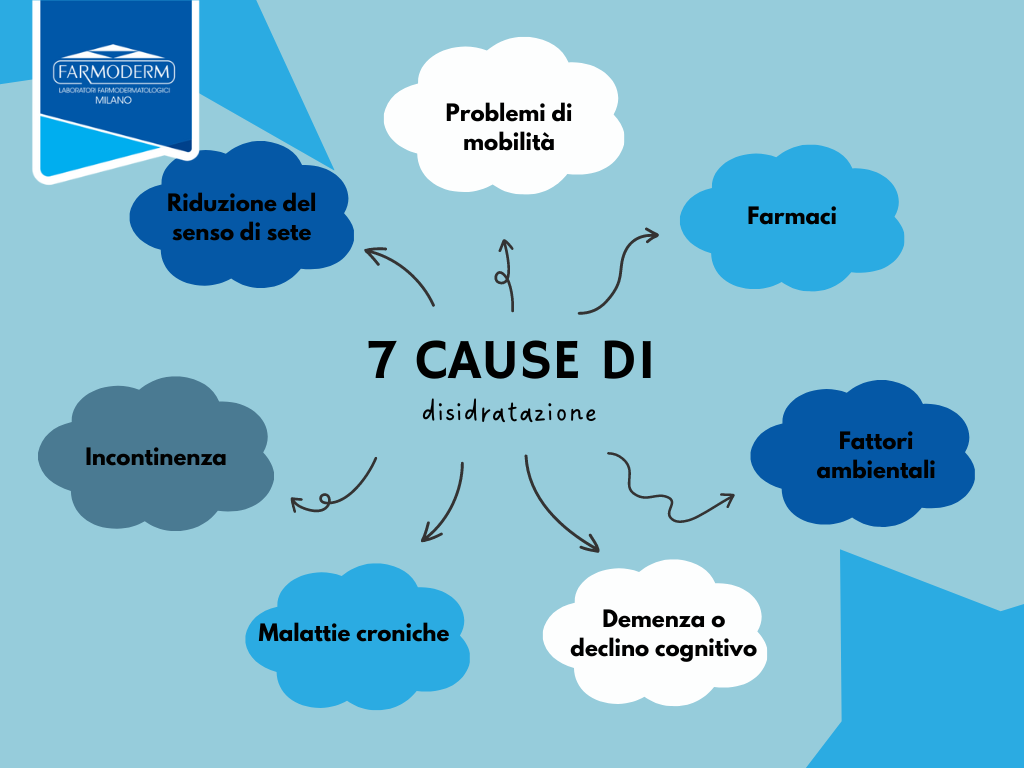
7 Causes of dehydration
The elderly are more prone to dehydration because they have less thirst sensation and may have difficulty communicating their need for fluids; in addition, they may have health conditions or take medications that affect fluid balance, so it is important for caregivers to be vigilant and identify the cause of dehydration in order to overcome it.
1. Reduced sense of thirst
With advancing age, the sense of thirst may decrease, resulting in reduced fluid intake.
-
- Solution: Encourage fluid intake, set reminders such as alarm clocks or post-its, create a hydration routine, and encourage physical activity.
2. Drugs
Some medications may cause increased urination, sweating or nausea, resulting in dehydration. In addition, some drugs may cause alterations in the sense of taste and smell.
- Solution: Talk to your doctor about the possible side effects of his or her medications and whether alternative options are available, and also you can make the water more appealing by adding a few slices of fresh fruit or citrus drops.
What drugs can alter the sense of taste in the elderly?
- Antidepressants: Selective serotonin reuptake inhibitors (SSRIs) and tricyclic antidepressants may cause a metallic or bitter taste in the mouth.
- Antihistamines: These drugs can dry out the mouth and cause a metallic or bitter taste.
- Blood pressure medications: Some blood pressure medications, such as ACE inhibitors, can cause a metallic taste in the mouth.
- Cholesterol-lowering drugs: Statins may cause a metallic or bitter taste in the mouth.
- Diuretics: These drugs can cause a metallic taste in the mouth.
- Opioids: These drugs can cause a metallic or bitter taste in the mouth.
- Chemotherapy: These drugs can cause a metallic or bitter taste in the mouth.
- Antacids: these drugs can cause a metallic or chalky taste.
3. Mobility issues.
Older people with mobility problems may have difficulty reaching the kitchen or bathroom to get fluids or hold a cup or glass.
Solution: Make liquids easily accessible by keeping a water bottle or jug handy at all times during the day and night, remove any obstructions that may prevent access to liquids, and consider using water bottles, cups with lids, or straws.
4. Incontinence
Some elderly people may suffer from incontinence, which may make them reluctant to drink fluids for fear of accidents.
-
- Solution: Use incontinence products such as adult diapers, pads, and undergarments that can help keep the elderly person comfortable and clean, as well as provide a sense of dignity.
5. Chronic diseases
Some chronic diseases, such as diabetes and kidney disease, can affect the body’s ability to retain fluids.
- Solution: Limit intake of liquids high in potassium and phosphorus, such as orange juice and milk, create a hydration program for regular water consumption, and closely monitor fluid intake and signs of dehydration
6. Dementia or cognitive decline
Elderly people with dementia or cognitive decline may forget to drink fluids or be unable to communicate their need for fluids.
- Solution: Place post-it notes of reminders around the house, or set an alarm clock, create a hydration schedule, use appropriate equipment to facilitate fluid consumption, and carefully monitor for signs of dehydration.
7. Environmental factors
High temperatures and low humidity can contribute to dehydration in the elderly.
- Solution: Make sure the room is neither too cold nor too hot, serve the liquids at room temperature, and make sure the liquids are easily accessible.
It is essential to keep in mind that older people may have multiple causes of dehydration and that addressing one problem may not solve it completely. Caregivers must take a comprehensive approach and consider all possible reasons for the elderly person’s poor fluid intake.
II. How to stimulate fluid intake in the elderly?
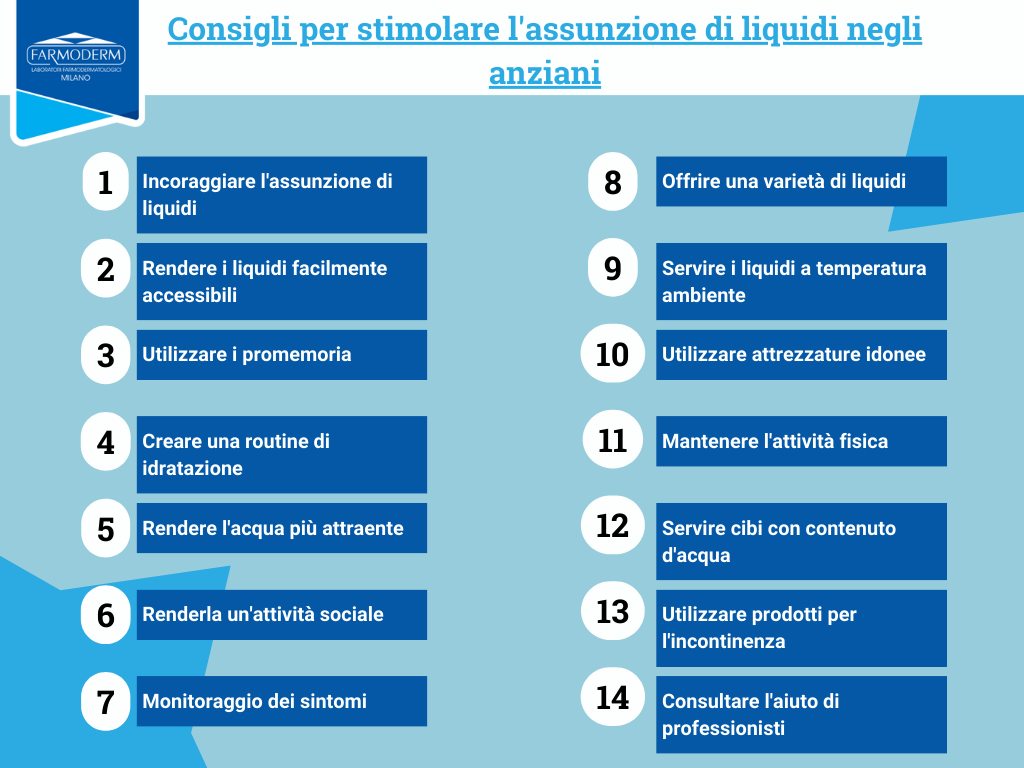
Tips for stimulating fluid intake in the elderly
Keeping the elderly hydrated is critical to their overall health and well-being. However, as we age, our bodies may not signal thirst as effectively, making it more difficult for the elderly to drink sufficient amounts of fluids.
In addition, incontinence, mobility problems, and medical conditions can make hydration difficult for the elderly. To overcome these obstacles, it is important to implement strategies that make fluid consumption more attractive and accessible to the elderly. Here are some tips to stimulate fluid intake in the elderly:
Tip 1: Encourage fluid intake.
Encouraging fluid intake in the elderly should be done gently and not forced, and if in doubt, always consult your doctor or a professional.
Proper hydration is essential for maintaining healthy skin, digestion and regular bowel movements. In addition, it can help prevent constipation, which is a common problem among the elderly.
Tip 2: Make liquids easily accessible
Ensuring that the elderly have easy access to fluids is important for their overall health and well-being. There are several simple ways to make fluids more accessible, such as:
- Keep a pitcher or water dispenser handy to reduce the need to get up and go to the kitchen;
- Keep a glass of water or a bottle next to the bed to facilitate hydration during the night;
- Obtain adaptive equipment, such as cups with larger handles or straws, to ensure that the person can hydrate easily;
- Ensure that the individual has adequate mobility aids, such as wheelchairs, walkers and canes, to reach the source of fluids;
- Remove any obstacles that may make it difficult for the elderly person to reach fluids.
- Provide assistance to open containers or pour out liquids, if necessary.
Tip 3: Use reminders
Reminders are also a very useful tool for reminding the elderly person to drink. These include setting alarms on the phone or watch, placing post-it notes around the house, in the refrigerator or bathroom mirror, or using apps that send notifications to remind them to drink fluids throughout the day.
This is especially useful for those who may have memory problems or difficulty remembering to drink fluids on their own. These reminders can be tailored to the individual’s needs and schedule and can be set to remind them to drink fluids at specific times of the day or after certain activities. By using reminders, we can help older people keep track of their fluid intake and maintain hydration levels.
At the bottom of the article, we have included a printable water intake tracker that can be affixed to the refrigerator door or next to the water dispenser to help you and your seniors better manage their water consumption.
Tip 4: Create a hydration routine.
Planning a hydration routine, such as drinking a glass of water after each meal, mid-morning tea, and juice at breakfast and in the afternoon snack, is a great way to create a habit of regular fluid consumption.
Tip 5: Make the water more attractive
Making water more appealing to the elderly can be a useful way to encourage them to drink more fluids. In addition, some medications can alter the sense of taste and smell, affecting the elderly’s perception of food and water. Some ways to make water more attractive are:
- Adding a slice of lemon, lime or cucumber to the water can give it a refreshing and delicious taste;
- Infusing the water with fruits such as berries, oranges and mint, which can give a more interesting taste;
- Serve the drink in a pretty glass or colorful cup to make the experience more enjoyable and fun.
Tip 6: Make it a social activity
Plan and prepare drinks together, such as tea or smoothies, drink with them or invite people over, encourage conversation, and make sure they are comfortable and relaxed. Keeping your caregivers engaged in social activities can help sustain and maintain their thirst.
Tip 7: Offer a variety of liquids.
Although water is the best choice for hydration, it may be useful to offer other options as well. These may include:
- Fruit-flavored water;
- Herbal teas;
- Natural juice;
- Milk;
- Smoothies;
- Soup.
This can make fluid intake more enjoyable and increase the likelihood that the person will drink more fluids. In addition, offering a variety of liquids can also help meet any specific dietary needs or preferences of the elderly person. For example, offering caffeine-free options for those who are sensitive to caffeine or sugar-free options for those who are diabetic. Offering a range of options can make it easier for the elderly person to find a drink they like and will be more likely to drink.
Tip 8: Serve liquids at room temperature.
Serving drinks at room temperature can be a great way to make them more palatable to the elderly. Cold drinks can be uncomfortable for some elderly people, particularly those with sensitive teeth or who have difficulty swallowing. Room temperature drinks may be more comfortable to drink and easier to digest. In addition, some elderly people may have a reduced sense of taste or smell and may find that room temperature drinks taste more pronounced. It is also important to note that some elderly people may have an impaired ability to regulate their body temperature, so serving room-temperature beverages may help them not to feel too cold or too hot.
Tip 9: Use suitable equipment
These devices are specifically designed to facilitate fluid intake by people with disabilities or mobility problems. Examples of adaptive hydration devices are:
- Two-handled mugs: These mugs have two side handles that make them easy to grip and hold;
- Weighted cups: These cups have an added weight at the bottom, which helps keep them stable and prevent spills;
- Bendable straws: These straws have a flexible design that can be bent at any angle, making it easier for the elderly to drink while sitting or lying down;
- Water bottles or cups with gauges: They can help the elderly keep track of how much they drink throughout the day and ensure daily hydration needs;
- Special lids: There are special lids that can be attached to cups or glasses and have a small opening that allows the liquid to be sipped through a straw; this can help prevent spills and make it easier to drink without lifting the cup;
- Reusable water bottles with built-in filters: They can help improve the taste of tap water and make it more pleasant to drink;
- Thermos: They can help keep liquids cold or hot for long periods of time, making them more pleasant to drink;
- Electric cup holders: These cup holders have a battery-powered motor that helps lift the cup toward the mouth, allowing the person to drink without having to lift the arm.
By using adaptive equipment, the elderly can drink fluids more easily and independently. It is also a good idea to consult with a therapist or occupational therapist for recommendations tailored to the individual’s needs.
Tip 10: Maintain physical activity and hydration between meals
Dehydration is also common among the physically inactive elderly, so make sure that the elderly person maintains an active lifestyle as much as possible and drinks enough water between meals.
Encourage the elderly to engage in light physical activity, such as a walk in the neighborhood, because it can increase thirst and fluid intake.
Tip 11: Serve foods with high water content.
These foods contain a significant amount of water, which can help replenish fluids lost through sweating, urination and other bodily functions. In addition, many high-water foods also contain essential vitamins and minerals that can be beneficial for overall health. Some examples of high-water foods that can be served to the elderly are:
- Fruits such as watermelon, melon, grapes and oranges.
- Vegetables such as cucumber, lettuce and celery
- Broths and soups
- Popsicles prepared with natural fruit juice
- Fruit and vegetable-based smoothies
- Yogurt
Tip 12: Use absorbent incontinence pads
Dehydration can be a serious problem for older people with incontinence, as they are more likely to avoid drinking fluids to reduce the need to go to the bathroom or to avoid an accident.
Absorbent pads can provide protection and help maintain a person’s dignity and independence. Examples of incontinence products are:
- Adult diapers: These products are worn like underwear and protect against leakage;
- Absorbent sleepers or towels: These are absorbent pads that can be placed on a bed or chair;
- Incontinence pants: Pants with built-in absorbent padding;
- Incontinence undergarments: incontinence products designed to resemble normal underwear, such as incontinence briefs, incontinence boxers, and incontinence panties;
Incontinence skin care products: Incontinence can cause skin irritation and rashes, so it is important to use products that help keep the skin clean and dry.
Tip 13: Monitor symptoms
Pay attention to the symptoms of dehydration and check them regularly. Signs of dehydration can be
- Thirst;
- Dryness of the mouth and skin;
- Dark-colored urine;
- Fatigue;
- Headache;
- Confusion and disorientation;
- Accelerated heart rate (tachycardia);
- Constipation.
Tip 14: Consult with health care personnel.
A physician or nurse practitioner can assess an individual’s hydration status and make recommendations to prevent and treat dehydration, such as increasing fluid intake or modifying medication regimens. They can also monitor any underlying medical conditions that may contribute to dehydration and provide appropriate medical care.
In conclusion
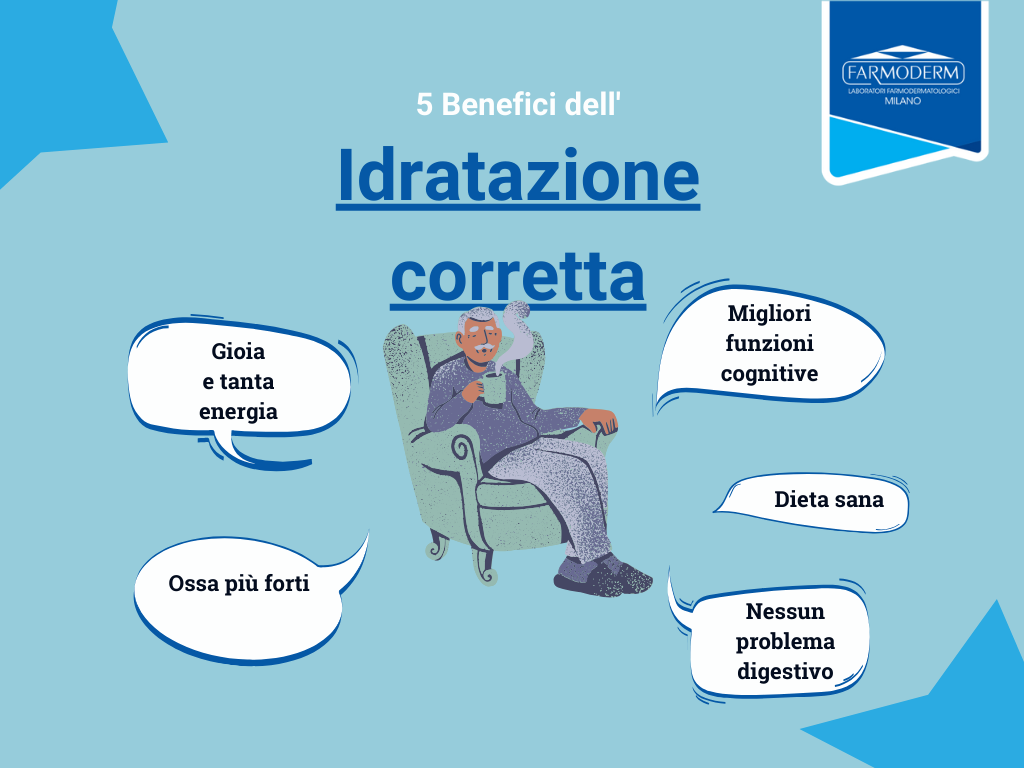
5 Benefits of proper hydration
In conclusion, proper hydration is critical to the health and well-being of older people, and caregivers play a key role in ensuring that their loved ones get sufficient amounts of fluids.
By implementing simple strategies, such as encouraging regular water consumption, monitoring for signs of dehydration, and providing easy access to water and other hydrating fluids, caregivers can help keep their elderly loved ones hydrated and healthy. It is also important to be aware of any medical conditions or medications that may affect hydration levels and work with the physician to develop a personalized hydration plan.
By taking these measures, caregivers can help ensure that their elderly loved ones receive the fluids they need to stay healthy and comfortable.
Print daily water intake
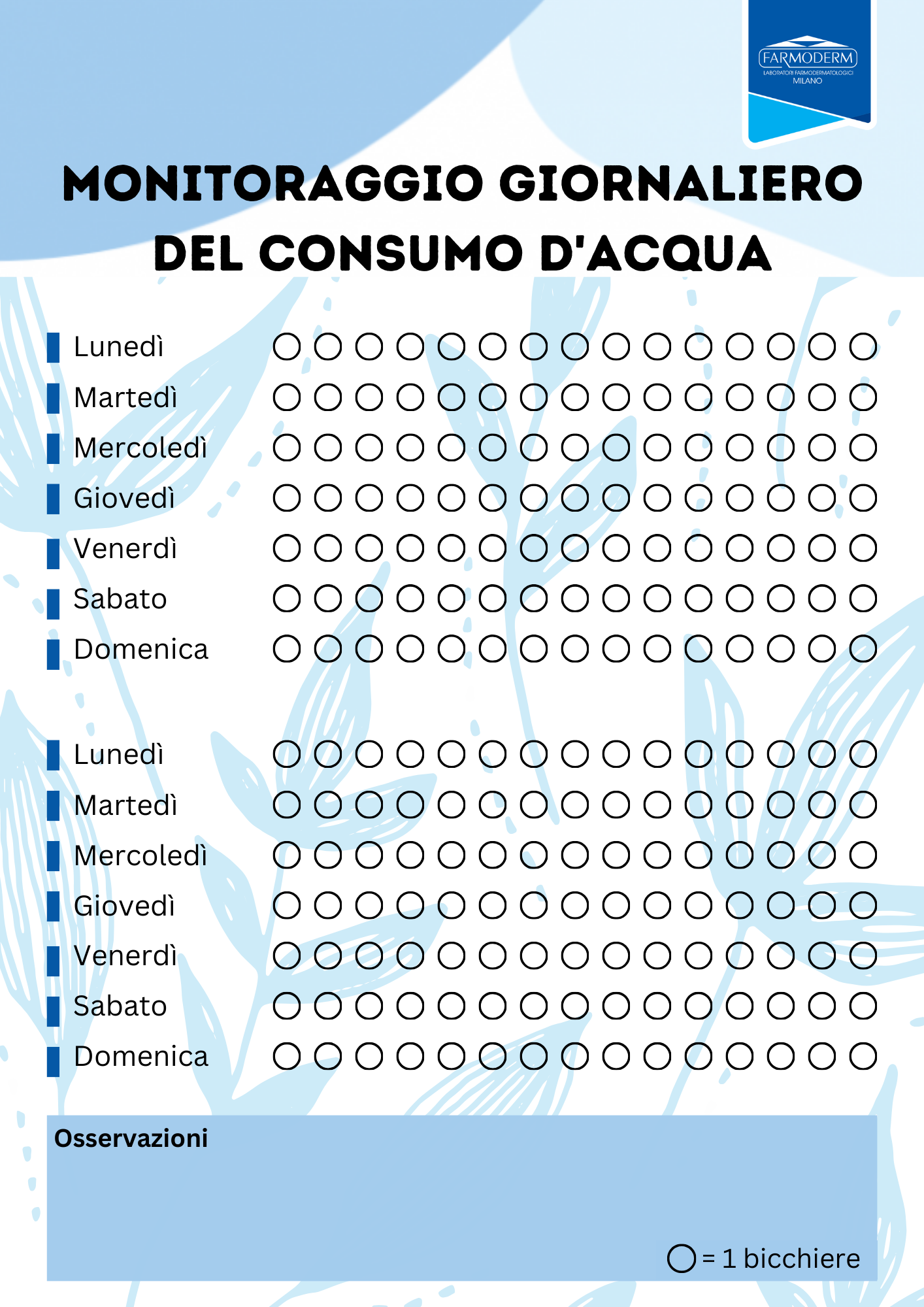
Daily monitoring of water consumption
V. FREQUENTLY ASKED QUESTIONS
When should the elderly go to the hospital for dehydration?
Elderly people should consult a doctor if they experience any of the following symptoms:
- Decreased urine output;
- Inability to urinate;
- Increased or constant vomiting for more than one day;
- Temperature above 38ºC that does not drop;
- Diarrhea for more than two days;
- Lethargy;
- Confusion;
- Unexplained weight loss.
How much water should the elderly drink per day?
The average amount of water an adult (elderly or not) should drink per day is between 1.5 and 2 liters, which is about 8 glasses of water per day.
What are the consequences of dehydration in the elderly?
Dehydration in the elderly can have serious consequences, both short-term and long-term. Some potential consequences of dehydration in the elderly include:
- Increased risk of falls: Dehydration can cause dizziness and confusion, increasing the risk of falls and injury.
- Cognitive function impairment: Dehydration can cause confusion, memory impairment, and other cognitive problems, which may be of particular concern for the elderly with dementia or other cognitive disorders.
- Kidney function impairment: Dehydration can cause the kidneys to work less efficiently, leading to kidney function problems and an increased risk of kidney stones.
- Increased risk of infections: Dehydration can weaken the immune system, making the elderly more susceptible to infections.
- Heat stroke: During hot weather, lack of fluids can cause overheating and heat stroke.
- Constipation: Dehydration can cause the colon to absorb more water from stools, making them harder and more difficult to expel.
- Heart problems: Dehydration can cause increased blood viscosity, which can increase the risk of heart problems such as heart attacks and strokes.
Increased risk of hospitalization: Dehydration can lead to a range of health complications that may require hospitalization.