
Elderly people suffering from anxiety and depression need a range of support to cope with their condition. This support can include emotional and psychological support, as well as practical help with daily activities.
As a caregiver, it is important to understand and recognize the symptoms of depression and anxiety. These conditions can be difficult to detect, as they can manifest in different ways and can be mistaken for symptoms of other illnesses. However, knowing the common signs and symptoms can help caregivers provide the support and assistance needed.
Symptoms of depression in the elderly may include changes in appetite, sleep patterns, energy levels, and interest in activities they used to enjoy, while symptoms of anxiety may include excessive worry, restlessness, and refusal to deal with certain situations.
Caregivers should also look for signs of despondency, isolation, helplessness and thoughts of suicide. It is essential that caregivers approach their loved ones with compassion, patience, and empathy and seek professional help as soon as possible if they suspect their loved ones are suffering from depression or anxiety.
Caring for an older person suffering from anxiety and depression can be challenging, but there are ways to help them manage their symptoms and improve their overall well-being.
Table of Contents:
I. Where to start: understanding and recognizing symptoms
II. How to help elderly loved ones as caregivers
III. Seeking external support and networking
I. Where to start: understanding and recognizing symptoms
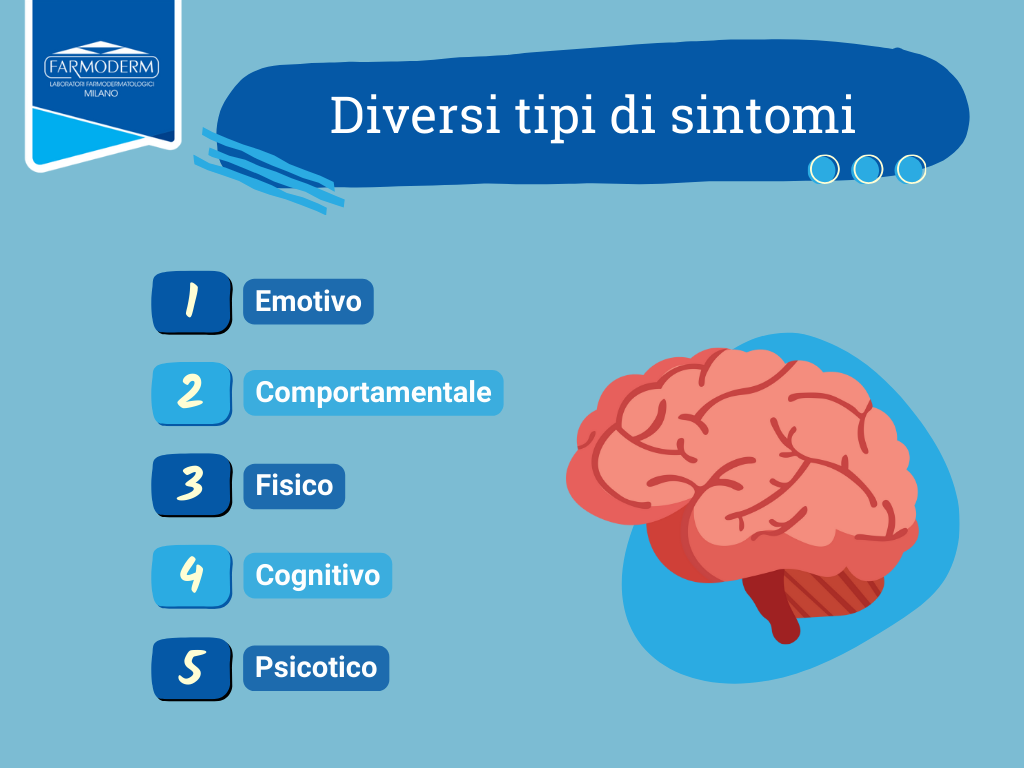
Symptoms of anxiety and depression in older people can range from simple mental symptoms to direct effects on the body, but some common signs to watch out for are :
1. Emotional symptoms
- Persistent feelings of sadness, hopelessness, or worthlessness
- Loss of interest in things previously enjoyed
- Difficulty concentrating or making decisions
- Frequent or easy crying
2. Behavioral symptoms:
- Exclude oneself from social activities or isolate oneself
- Changes in sleep patterns, such as insomnia or oversleeping
- Loss of appetite or overeating
- Neglecting personal hygiene or self-care
3. Physical symptoms:
- Fatigue or lack of energy
- Headache, muscle or chest pain
- Unexplained aches and pains
- Constipation or diarrhea
- Loss of sexual desire
4. Cognitive symptoms:
- Memory loss or confusion
- Difficulty in making decisions
- Difficulty in attention or concentration
- Difficulty completing tasks
5. Psychotic symptoms:
- Hallucinations or delusions
It is important to note that these symptoms can also be caused by other conditions or medications, and it is best to consult a professional for a correct diagnosis.
II. How to help elderly loved ones as caregivers
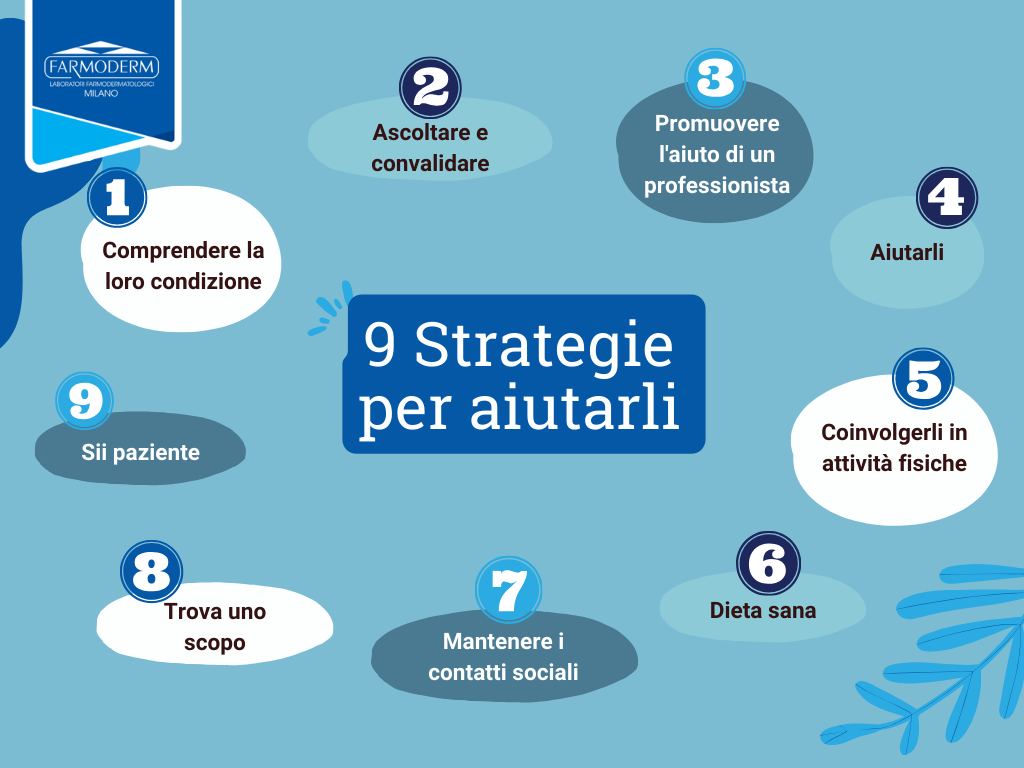
9 Strategies for helping loved ones:
1. Understanding their condition:
Find out about anxiety and depression, including causes, symptoms, and treatment options. This will help you better understand what your loved one is going through and how you can best support him or her.
Considering the individual’s background and life experiences is crucial: depression and anxiety can be caused by a combination of genetic, biological, environmental, and psychological factors. Some older people may have experienced traumatic events that may have shaped their views and experiences; try to understand their views and respect them.
2. Listen and validate their feelings:
Let your loved ones express their feelings without judging or interrupting. This may include talking to them about their feelings and concerns, listening to them without judging them, and providing encouragement and reassurance. It is also important to provide them with a safe and comfortable environment where they feel free to express themselves.
3. Encourage them to seek professional help:
If your loved one is not already under professional care, encourage him or her to seek help from a therapist or a physician. This can be helpful for both mental and physical well-being. Prescriptions can include therapies, counseling and medications. These prescriptions can be effective in reducing symptoms and helping to lead a more fulfilling life.
4. Help them with daily activities:
Assisting the elderly person in daily activities, such as grocery shopping, cooking, cleaning, meal preparation, housekeeping and other household chores, and also help with transportation to appointments and social activities. This can help relieve stress and anxiety and provide a sense of accomplishment.
5. Doing physical activity together:
Physical activity can be a great way to reduce symptoms of anxiety and depression. Another way to support elderly loved ones suffering from anxiety and depression is to involve them in activities they enjoy. These can include hobbies, games and social events. This can be a great way to lift the mood and keep the mind active.
6. Help them maintain a healthy diet:
Following a balanced diet and avoiding foods that can trigger the symptoms of anxiety and depression is key to relieving the symptoms of anxiety and depression. Fruits and vegetables are rich in vitamins, minerals and antioxidants, which can help improve mood.
In addition, we recommend limiting processed and refined foods, because they are often high in sugar, salt and unhealthy fats. Also very important is to prevent dehydration, because it can have a negative impact on mood and increase the risk of depression and anxiety. In addition, it is crucial to encourage regular meals: skipping meals or eating irregularly can alter blood sugar levels and have a negative impact on mood and nutrition.
7. Maintain social contacts:
Social isolation can worsen symptoms of anxiety and depression. It is helpful to encourage the elderly person to maintain social contact, through phone calls, video calls, or visits to friends and family. Helping him maintain good relationships will help him remain productive and joyful.
This can be done through support groups (online or on-site); having a pet can also help. Interaction with a pet can have a calming effect, which can help reduce feelings of stress and anxiety. Petting or playing with a pet promotes the release of endorphins, the feel-good hormones in the brain.
8. Help them find a goal:
You can help the elderly person to find activities or hobbies that convey a sense of responsibility. This can be anything from gardening to playing an instrument to volunteering. The goal is to set goals and a sense of responsibility, which can help increase self-esteem and self-confidence. Achieving set goals can also provide a sense of accomplishment and fulfillment.
9. Having patience:
Caring for an older person with anxiety and depression can be challenging, but it is important to be patient and understanding. Remember that recovery is a process and that your loved one will need time and support to get better.
Often a combination of therapy, medication and emotional support, which takes time before proving its effectiveness. In addition, for some individuals recovery may require ongoing maintenance to avoid relapse.
III. Seeking external support and networking
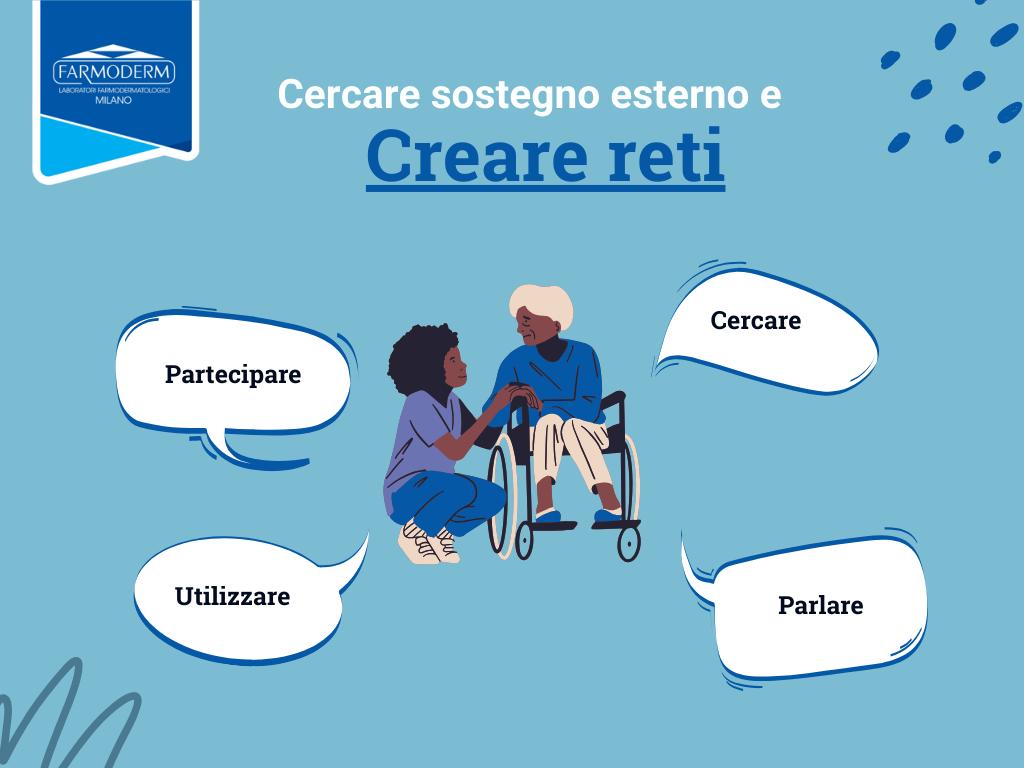
When an elderly loved one suffers from anxiety and depression and does not listen to the caregiver, it can be difficult to provide needed support. Here are some strategies caregivers can use to find support for their elderly loved ones in this situation:
1. Seek professional help:
Consult a mental health professional, such as a therapist or psychiatrist, who can assess the elderly person’s condition and provide recommendations for treatment. Mental health professionals have the experience and training to understand and treat depression and anxiety in the elderly. They can also teach caregivers how to recognize and respond to symptoms and provide strategies to help their loved one.
A professional may also be able to help an elderly loved one who is resistant to help from family and friends. He or she can provide an objective, nonjudgmental perspective and can help the elderly person to understand the condition and the need for treatment.
2. Participate in a support group:
Caregivers can benefit from connecting with others who are going through similar experiences. Participating in a support group can provide a sense of community, as well as practical advice and emotional support. Support groups provide a safe, nonjudgmental environment where people can share their experiences and feelings with others who understand what they are going through. This can help reduce feelings of isolation and create a sense of community.
Support groups can also provide practical advice and strategies for dealing with depression and anxiety in the elderly. Members can share their experiences and provide tips on how to manage symptoms and improve quality of life.
3. Ask other family members or friends for help:
If the elderly person is resistant to care, caregivers may seek help from other family members or friends.
These can provide support and offer a different perspective on the situation:
- Additional support: Family members and friends can provide additional emotional and practical support to the elderly person, which can be especially helpful in difficult times.
- Different perspectives: family members and friends can offer a different perspective on the situation. They may be able to see things that the primary caregiver does not see and may offer new insight and ideas on how to support their loved one.
- Caregiver assistance: help from family members and friends can provide the primary caregiver with a much-needed break and an opportunity to take care of themselves.
- Sense of community: having a community of people who understand what the elderly loved one and caregiver are going through can be helpful in creating a sense of community and belonging. They can provide emotional support, advice and practical help.
- Encourage professional help: family members and friends can also encourage the elderly person to seek professional help, such as therapy or counseling. They can also help find resources and provide transportation to appointments.
Note that every family and every older person is different, and the level of help and support needed may vary. Communication and availability are key to finding the best ways to support and help the older person and caregiver.
4. Using community resources:
Many communities offer support services to caregivers and elders suffering from depression and anxiety. These services may include home care, support groups and counseling. Caregivers can contact the community centers or senior centers in the area.
It is important to remember that recovery from anxiety and depression is a long process and may take time before the elderly person accepts help. Caregivers must be tenacious and patient and seek professional help and support for themselves as well.
IV. To conclude
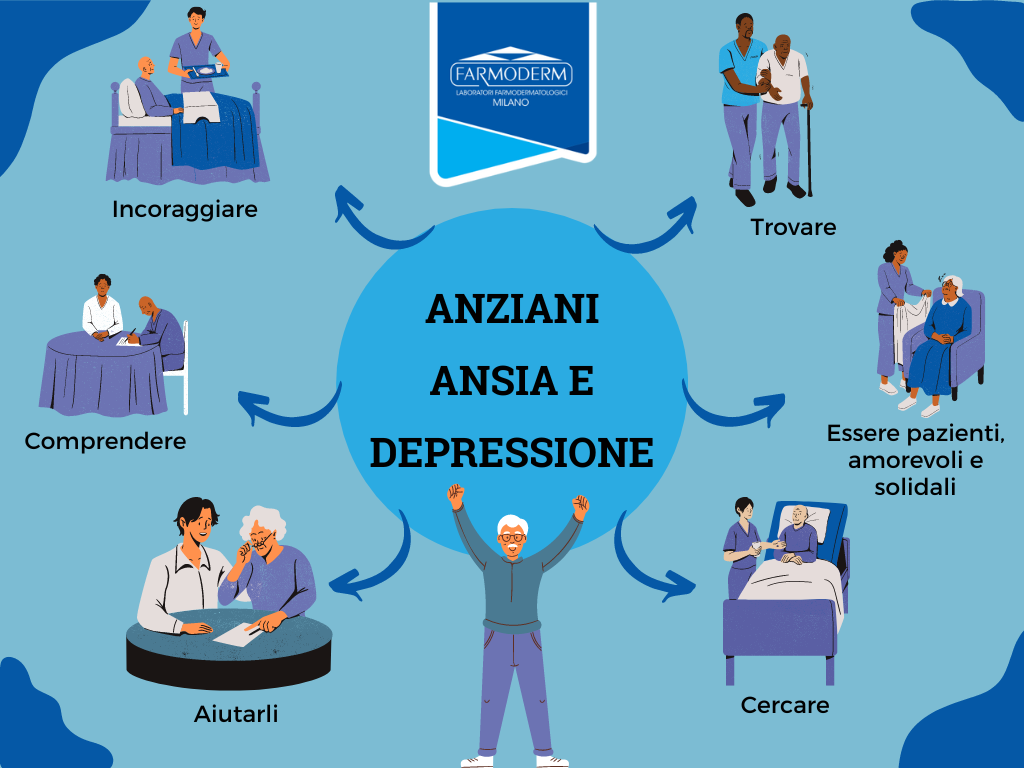
Elderly people with anxiety and depression
In general, caring for an elderly loved one suffering from anxiety and depression can be a challenging task for caregivers. It is essential that caregivers understand and recognize the symptoms of these conditions in order to provide the necessary support and assistance.
Caring for an older person suffering from anxiety and depression is not easy, but with understanding, patience, and the right approach you can help them manage their symptoms and improve their overall well-being. Your support, love and understanding can make a big difference in their life.
However, when an elderly loved one does not listen to the caregiver, it can be difficult to provide support. Caregivers can seek professional help, join support groups, seek help from other family members or friends, and use community resources to find support for their elderly loved ones. Recovery from anxiety and depression is a long process and can take time before the elderly person accepts help, but caregivers must be tenacious, patient and seek professional help and support for themselves as well.
V. FREQUENTLY ASKED QUESTIONS
How can I recognize the symptoms of depression and anxiety in an elderly person?
Common symptoms of depression in the elderly include changes in appetite, sleep patterns, energy levels, and interest in activities they used to enjoy. Symptoms of anxiety may include excessive worry, restlessness and refusal to deal with certain situations. It is also important to look for signs of hopelessness, helplessness and thoughts of suicide.
What are the strategies to support an elderly person with depression and anxiety?
Support for an older person with depression and anxiety may include offering emotional and psychological support, practical help with daily activities, engaging in activities they enjoy, and seeking professional help. It is important to approach the loved one with compassion, patience and empathy.
How can I convince an elderly person to accept help for depression and anxiety?
Getting an elderly loved one to accept help for depression and anxiety can be challenging. Caregivers must be tenacious and patient and seek professional help and support for themselves. Encouraging exercise, mindfulness and healthy eating can also help.
How can I find support for myself as a caregiver of an elderly person with depression and anxiety?
As a caregiver, it is important to take care of oneself both physically and mentally. Caregivers can seek professional help, join support groups, seek help from other family members or friends, and use community resources to find support.
Can medication help combat depression and anxiety in the elderly?
Medications can be an effective treatment for depression and anxiety in the elderly. However, it is important to consult a physician or therapist to determine the best course of treatment for the individual’s specific needs and health condition.