
Caring for an elderly person can be a stimulating and rewarding experience, but it can also involve a number of significant challenges. One such challenge can be changing absorbent pads (diapers), especially for those with limited mobility. As our loved ones age, they can become and more dependent on others for their daily needs.
As a caregiver, it is important to have the skills and knowledge necessary to change diapers safely and comfortably for your loved one. This includes preparing for the diaper change, performing the change, and many other points to consider to make the process as smooth and comfortable as possible for both the caregiver and the elderly person.
Here are some tips to help you in this process:
Table of Contents:
I. Step one: diaper change preparation
II. The procedidmento : Performing diaper changes.
I. Step one: preparation for diaper change
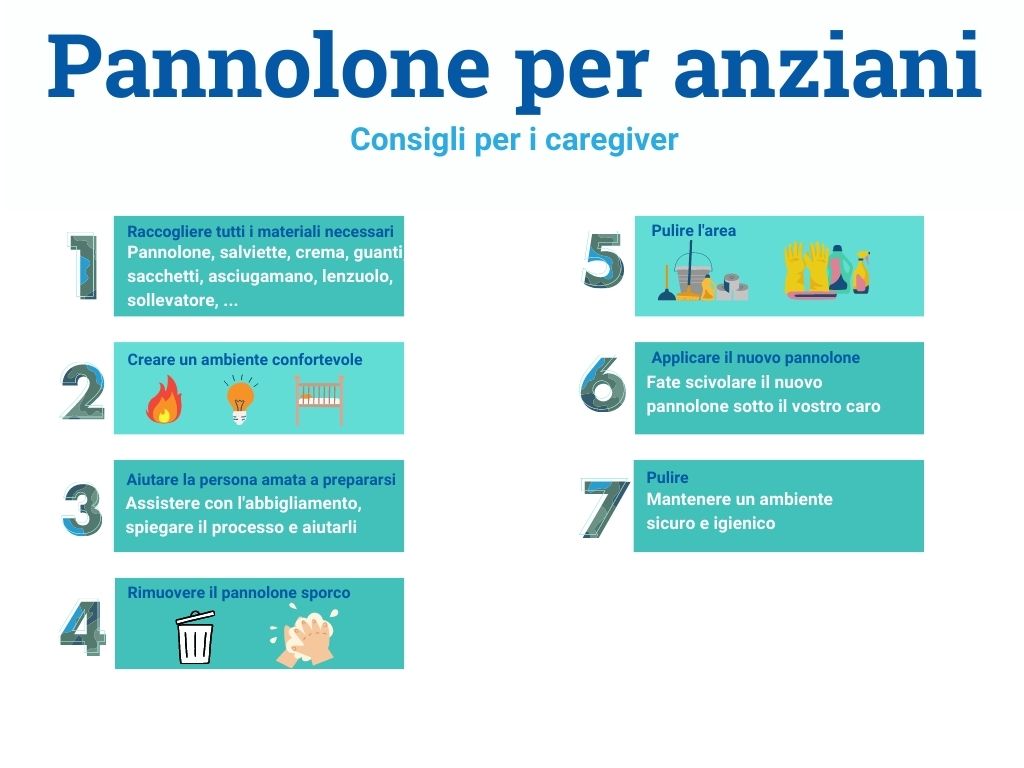
Elderly diaper: Tips for caregivers
1. Gather everything you need:
As a caregiver, it is important to have all the necessary supplies on hand before changing an elderly loved one’s diaper. Listed below are some of the supplies that you need to have on hand:
- Diaper: Make sure you have a supply of diapers in the appropriate size and type for your loved one. Adult diapers are available in various designs and absorbencies, including (pants) and tabbed diapers.
- Wipes: Baby or adult wipes can be used to clean the area before and after diaper changes.
- Diaper cream: used to prevent and treat diaper rash.
- Disposable gloves: can be worn to protect hands from contact with any body fluids.
- Disposable bags : Can be used to dispose of soiled diapers, wipes and gloves.
- Clean sheets and towels: can be used to protect the bed surface and to clean up any accidents.
- Suitable equipment: such as a transfer board or a lift to facilitate diaper changing for people with limited mobility.
Having all these materials on hand before starting the diaper change will help the process run smoothly and reduce the risk of accidents.
2. Create a comfortable environment
Make sure the area where you will change the diaper is clean, well lit, and comfortable for your loved one. To protect the bed or other surface from accidents, you can put a changing mat or towel there.
Also make sure the person is comfortable and in a stable position before starting the diaper change:
- Verify that the bed is at a bed height that is at a comfortable height for you and your loved one.
- Check that the room is sufficiently heated to prevent your loved one from getting cold during the diaper change.
3. Helping your loved one prepare
Help your loved one get into a comfortable position for diaper changing. Depending on his ability, you may need to help him lie down or sit up. Encourage him to relax and let you handle this task.
Here are some tips on how to help your loved one prepare:
- Garment assistance: help your loved one remove clothing that may get in the way of a diaper change. If he is able to do it himself, let him do it, but be prepared to help if necessary.
- Help them understand the process: if necessary, explain each step of the process to your loved one so they know what to expect and understand why it is important.
II. The procedure : Perform diaper change
1. Remove the soiled diaper:
Here are the steps in the process of removing soiled diapers:
- Identify the soiled area: before removing the soiled diaper, identify the soiled area. This will help you know where to focus your cleaning efforts and prevent further contamination.
- Use gloves: always use gloves to protect your hands from contact with body fluids. This will reduce the risk of infection and keep your hands clean.
- Remove the soiled diaper: carefully remove the soiled diaper by lifting the front and back of the diaper away from the skin. Be careful not to pull or tug at the skin, as this can cause discomfort or injury. Be prepared for the possibility of bowel movements if your loved one is incontinent.
- Disposal of soiled diaper: carefully fold the soiled diaper and place it in a sealed bag for disposal. This will help contain any odors and prevent contamination of the surrounding area.
- Wash your hands: wash your hands thoroughly with soap and water after removing the soiled diaper. This will reduce the risk of infection and keep your hands clean.
2. Cleansing the skin:
It is essential to clean the area thoroughly to avoid skin irritation and infection after diaper changes.
Here are some tips on how to clean the area effectively:
- Use specific products: although it is very convenient to use baby wipes consider using wipes specifically for the skin of the elderly. You can alternatively use disposable wipes soaked in specific no-rinse cleansing creams that have the advantage of keeping the skin moisturized.
- Beware of creases and folds: pay attention to skin folds and folds, as these areas are more prone to irritation and infection. Be sure to clean these areas thoroughly.
- Dry the area: after cleaning, use a clean towel or cloth to dry the area thoroughly.
- Apply a protective cream: apply a protective cream to the affected area to protect the skin from diaper rash.
- Check for signs of irritation: check the area for redness, rash, or other signs of irritation and inform the doctor if necessary.
Remember that the skin of the elderly is more delicate and fragile, so be especially careful and considerate. Also, make sure you have everything you need on hand.
3. Apply the new diaper:
It is important to apply the new diaper correctly to ensure a secure fit and prevent leakage.
Here are some tips on how to apply the new diaper:
- Slide the new diaper under your loved one: carefully lift your loved one’s legs and slide the new diaper under him or her, positioning it correctly to cover the clean area.
- Secure the tabs firmly: be sure to secure them firmly but not too tightly to avoid cutting off circulation.
- Check fit: check the fit of the diaper to make sure it is not too tight or too loose and adjust if necessary.
4. Clean the room:
Cleaning is an essential step in an elderly person’s diaper changing process. It is important to the changing area properly to maintain a safe and hygienic environment for your loved one and yourself. Here are some tips on how to clean effectively:
- Dispose of soiled diaper and wipes: Carefully fold the soiled diaper and place it in a sealed bag for disposal. Wipes should also be disposed of in a sealed bag to contain any odors.
- Wash your hands: wash your hands thoroughly with soap and water after cleaning the room. This will reduce the risk of infection and keep your hands clean.
- If they have become soiled: if the diaper change was done on a bed, be sure to change the sheets and pillowcases to maintain a clean and hygienic environment.
- Keep supplies well stocked: make sure you have a good supply of diapers, wipes and other necessary items on hand so that you are ready for the next diaper change.
- Review the process: take a moment to review the process and think about all the parts where you can improve or make the process more comfortable for your loved one.
It is important to remember that cleanliness is not only about maintaining a hygienic environment, but also about your loved one’s dignity and privacy. Be sure to keep his or her privacy in mind at all times and change the diaper discreetly. Also, be sure to keep the area clean and well stocked so that you are always ready for the next diaper change.
III. Additional suggestions
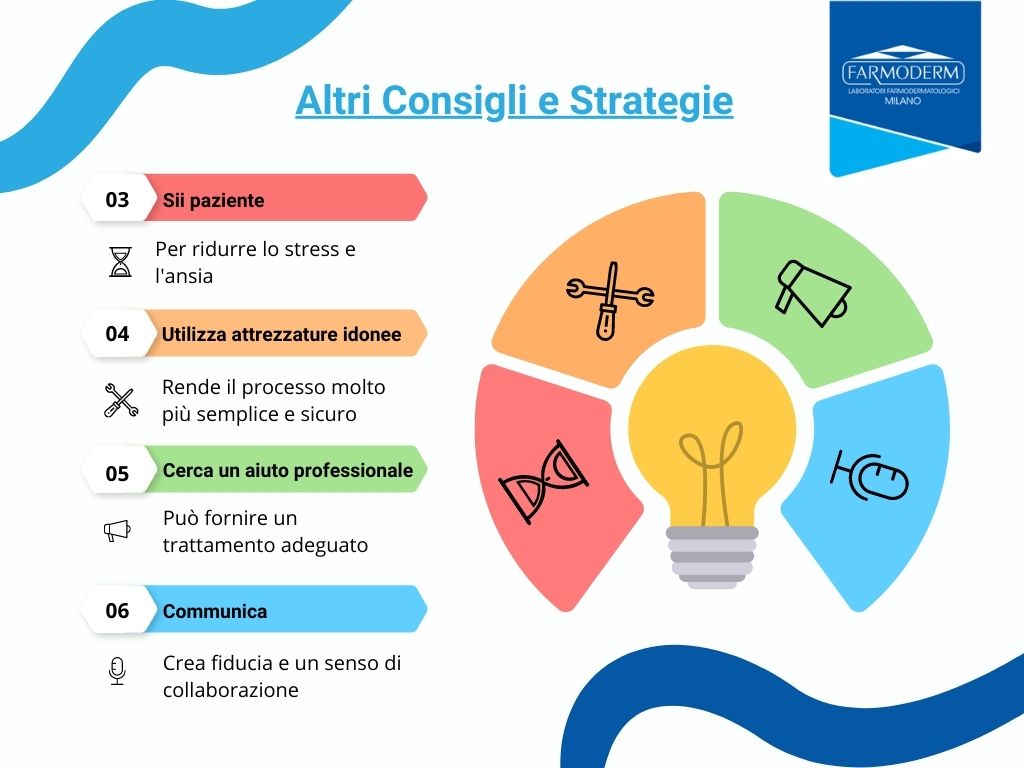
Other Tips and Strategies
1. Be patient:
Being patient when changing diapers for elderly loved ones as caregivers is crucial. The process can be difficult, especially for people who are elderly or have limited mobility. It is important to take your time and be patient to ensure that the process is as comfortable as possible for your loved one.
A patient attitude can help reduce stress and anxiety for both you and your loved one, making the process less daunting and more manageable. Remember that changing diapers is a necessary task in caring for your loved one, and being patient will help make the experience more positive for both of you.
2. Use suitable equipment:
Using appropriate equipment to change the diapers of elderly loved ones can make the process much easier and safer. Adaptive equipment, such as transfer benches or lifts, can help provide support and stability for your loved one during diaper changes. They can also reduce the risk of injury to both you and your loved one.
It can also increase the comfort level for your loved one during the process, which can be especially important for those with limited mobility. Using adaptive equipment can also make the process more efficient, reducing the time it takes to change a diaper and allowing you to focus on other important tasks.
3. Communicating with the person being cared for:
It is important to keep the lines of communication open with the caregiver throughout the process. This can help reduce stress and anxiety for both you and your loved one. By communicating with your loved one, you can understand his or her needs and preferences and make the process as comfortable as possible.
By talking with the caregiver, you can understand if he or she is experiencing pain, discomfort, or if something is not right and take the necessary steps. Communication can also help build trust and a sense of cooperation between you and your loved one, making the diaper changing process less daunting and more manageable.
4. Seek professional help:
If you are struggling with the care of your loved one, seek professional help from a home care agency or geriatric care manager. This will ensure that the process is carried out safely and efficiently and that any problems or concerns are addressed in a timely manner.
A professional can provide guidance on how to properly change a diaper and advice on how to make the process more comfortable for your loved one. He or she can also help identify any health problems and provide appropriate treatment. Contacting a professional can provide peace of mind and ensure that your loved one receives the best possible care.
IV. To conclude
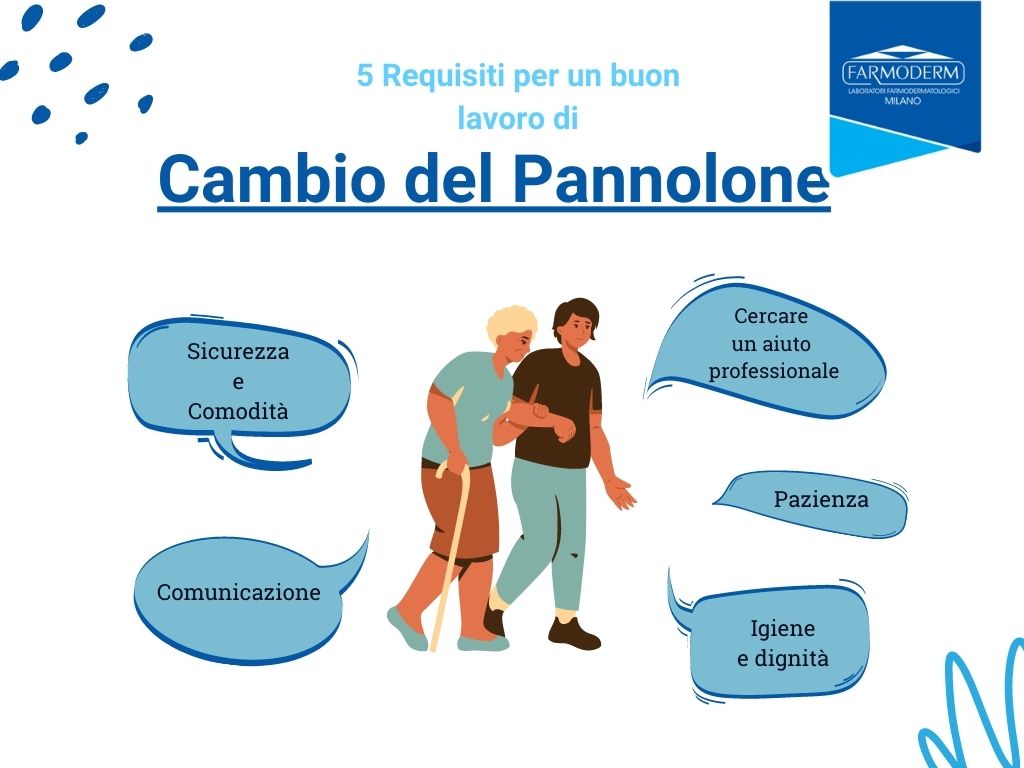
5 Requirements for a good diaper change job
Changing diapers can be a daunting task for the caregiver, but with the right preparation and techniques, it can be done safely and comfortably for both you and your elderly loved one. Remember to be patient, use appropriate equipment, communicate with your loved one, and seek professional help when needed.
By following these tips, you can make the process of changing diapers for an elderly person much more manageable and comfortable for both you and the elderly person. However, remember that your loved one’s hygiene and dignity must be preserved throughout the process, so be mindful of his or her privacy and be sure to keep him or her covered as much as possible.
In general, changing an elderly person’s diapers can be a challenging task, but with the right approach it can become a positive and rewarding experience.
V. FREQUENTLY ASKED QUESTIONS
How often should I change an elderly person’s diaper?
The frequency of diaper changes depends on the individual’s needs, but as a general rule it is recommended to change the diaper when it becomes soiled or wet. It is also recommended to check the diaper every 2-3 hours and change it if necessary.
Can disposable tear-off pants be used for the elderly?
Yes, disposable tear-off pants are an option for the elderly. They can be more comfortable and easier to use than strip diapers. It is important to make sure that disposable tear pants are suitable and comfortable for the person.
Can I use talcum powder on the diaper area of an elderly person?
It is generally not recommended to use talcum powder on the diaper area of an elderly person. Baby powder can cause respiratory problems if inhaled and can also dry out the skin. Instead, use a protective cream specifically formulated for use on adults.
How can I prevent diaper rash in an elderly person?
To prevent diaper rash in an elderly person, it is important:
- Changing diapers frequently
- Keep the area clean and dry
- Use a diaper cream or ointment to protect the skin.
- Avoid using talcum powder or other products that can dry or irritate the skin.
What to do if the elderly person suffers from incontinence?
If the elderly person has incontinence, it is important to work with the health care provider to manage the condition. This may include changes in diet and medication, as well as the use of adult diapers or incontinence pads. In addition, regular monitoring of skin conditions and use of a protective cream can help prevent diaper rash and other skin problems.