
Sometimes the elderly are closed in on themselves, stubborn and unwilling to listen. Even in these cases, effective and meaningful communication is possible. Learn 8 effective strategies for building trust and understanding, including nonverbal signals, patience, and encouraging self-expression. Improve your caregiving skills today.
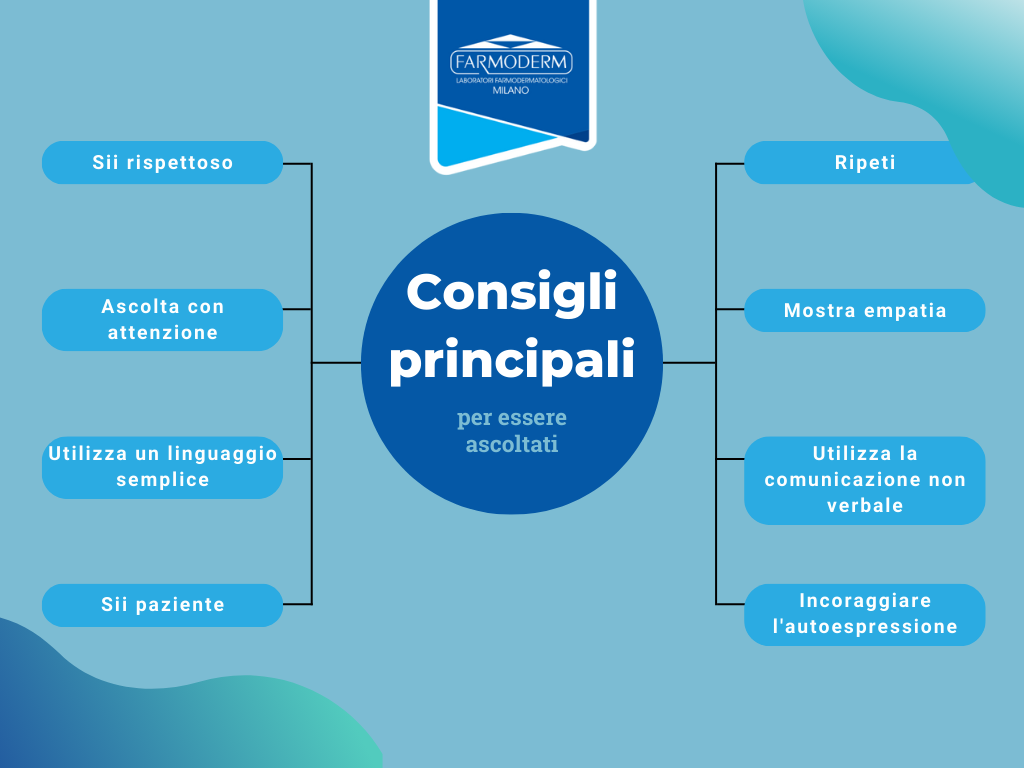
Top tips for being heard
Table of Contents:
- Being respectful
- Listening actively
- Use simple language
- Being patient
- Repeat
- Showing empathy
- Using nonverbal communication
- Encouraging self-expression
II. In conclusion.
Our main recommendations
Effective communication is essential for caregivers when they they interact with elderly and aging parents. However, it can be challenging when the individual is reluctant to listen. In this article, we will explore several strategies to improve communication based on the study and experience of real people.
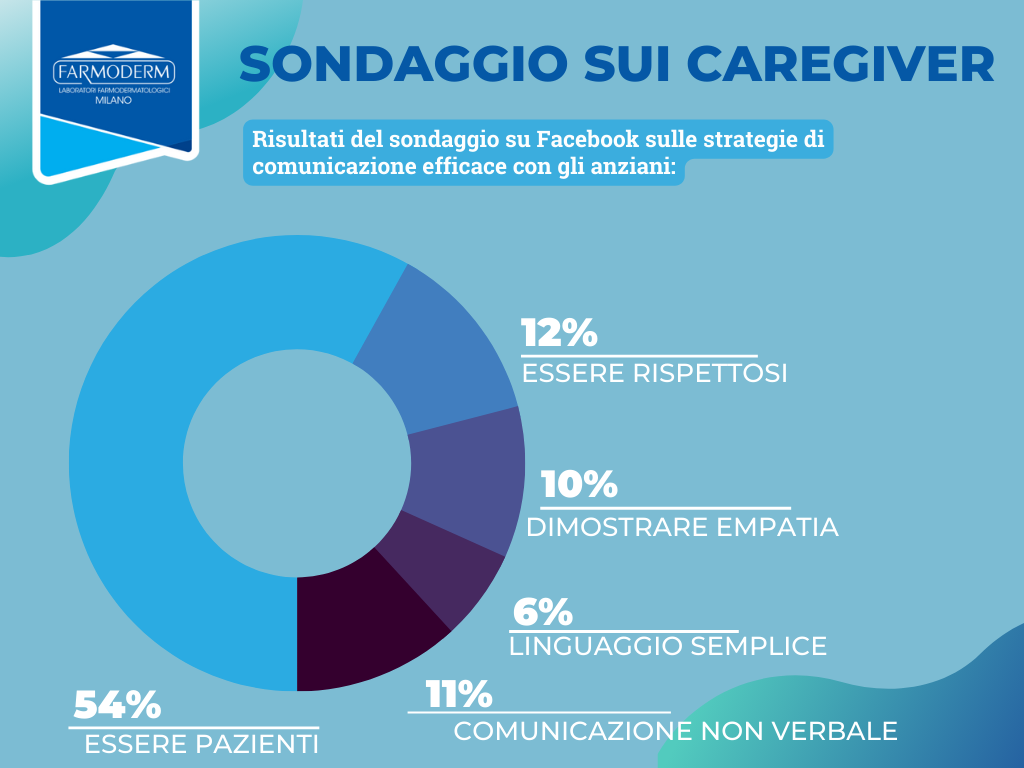
54% of the elderly respondents confirmed that having a lot of patience is the effective way to communicate.
Caregiver survey
Tip 1: Be respectful
Being respectful is critical for effective communication with elders and aging parents who do not want to listen.
Avoid belittling
One way to show respect is to avoid belittling or badmouthing them. Elders may feel disrespected or rejected if they feel that their opinions and feelings are not taken seriously. It is important to avoid using condescending language or making assumptions about their abilities or knowledge.
Let them make decisions.
Another way to show respect is to allow them to make their own decisions. The elderly and elderly parents may feel deprived of their autonomy if they are not given the opportunity to make their own choices. Allowing them to make their own decisions, within reason, can help maintain their dignity and self-respect.
It must also be remembered that elders and elderly parents have lived long lives and have their own experiences and views. Respecting their opinions and feelings is crucial to building trust and fostering effective communication. Avoid belittle them or speaking ill of them
Tip 2: Listen actively
Active listening has a strong impact on effective communication with the elderly and elderly parents who do not want to listen.
Paying attention
It is about paying attention to what the elder is saying and responding in a way that shows you understand and care.
Avoiding interruptions
One way to practice active listening is to avoid interrupting or finishing sentences for them. Elderly people may feel rushed or rejected if they feel that their thoughts and feelings are not being fully heard. Instead, allow them the time and space to express themselves fully.
Asking questions
Another way to practice active listening is to ask questions. Asking open-ended questions can help encourage the elder to share his or her thoughts and feelings. It can also help clear up any misunderstandings.
.
Also, when communicating with older people with cognitive impairment or dementia, it is important to be patient and understanding. They may need more time to process information and may have difficulty expressing themselves. Active listening can help improve communication and understanding in this situation.
Tip 3: Use plain language
Elderly people may have difficulty understanding complex language or medical jargon, so it is important to keep explanations and instructions simple and easy to understand.
Avoid technical or medical terms
One way to use simple language is to avoid using technical or medical terms that may be unfamiliar to the elderly person. Instead, use everyday words and phrases that the elderly person is able to understand. For example, instead of saying “She has a urinary tract infection,” you can say “She has an infection in the kidneys or bladder“.
Use language that is easy to understand
Another way to use simple language is to avoid using abstract or metaphorical language that might be confusing. Instead, it is good to use concrete and specific language that is easy for the elderly person to understand. For example, instead of saying “He needs to take his medication,” you can say “He needs to swallow these pills with water.”
Speak clearly
It is best to speak clearly and at a pace that the elderly person can understand. Elderly people may have trouble hearing or processing information quickly, so it is important to speak clearly and at a pace that is comfortable for the elderly person.
Tip 4: Be patient
Being patient is helpful at times when the elderly do not want to listen. Effective communication requires time and patience, and the elderly may process information more slowly and need more time to respond.
Give them enough time
One way to be patient is to allow the elderly person time to understand and respond to your words. Elderly people may need more time to process information, so it is important not to rush them or make them feel pressured to respond quickly.
Tip 5: Repetition
Repetition is an important aspect of effective communication with the elderly and elderly parents who do not want to listen. In addition, it can be useful for the elderly who have difficulty memory.
Repeat several times
It is very effective to repeating important information several times and in different ways. For example, if you are explaining how and when to take medication, you can repeat the instructions verbally and also provide written instructions. This ensures that the elderly person understands and remembers the information.
Use visual aids
Another tip is to use visual aids such as diagrams or pictures to supplement verbal instructions. This can help make the information more concrete and easier to understand.
When using repetition, it is also important to check for understanding. Ask the elder to repeat information or ask questions to assess his or her understanding. This can help identify any misunderstandings or confusion.
Tip 6: Show empathy
It is about putting yourself in the elder’s shoes and understanding his or her perspective.
One way to show empathy is to actively listen and try to understand the elder’s feelings and concerns. This can help build trust and understanding between you and the elder.
Another way to demonstrate empathy is to validate the elder’s feelings and concerns. Acknowledge that the elder’s feelings are valid and that you understand how he or she is feeling. This can help make the elder feel heard and understood.
Tip 7: Using nonverbal communication
Nonverbal communication includes facial expressions, body language, and tone of voice and can be very effective in communicating with the elderly.
One way to use nonverbal communication is to pay attention to one’s nonverbal signals and use them to reinforce the message. For example, maintaining eye contact and smiling can convey friendliness and helpfulness.
Another way to use nonverbal communication is to be aware of the elder’s nonverbal signals. Pay attention to facial expressions, body language, and tone of voice to understand what he or she is feeling or thinking. This can help improve communication and understanding.
It is also important to be aware of cultural and social differences when using nonverbal communication. Different cultures may have different norms for nonverbal communication, and it is important to be aware of these differences to avoid misunderstandings.
Tip 8: Encourage self-expression
Older people are more likely to open up and share their thoughts and feelings if they feel comfortable and safe.
One way to encourage self-expression is to create a safe and comfortable environment for the elderly person. This requires providing privacy, reducing distractions, and offering comfortable seating arrangements.
Another way to encourage self-expression is to actively listen to the elder and show interest in what he or she has to say. Ask open-ended questions and give the elder time to express themselves fully. Showing that you appreciate their thoughts and feelings can help create a sense of trust and encourage self-expression.
By implementing these strategies, caregivers can improve communication with elders and elderly parents who may be reluctant to listen. By building trust, showing empathy and patience, caregivers can ensure that the elder’s needs are met and that he or she receives the best possible care.
II. In conclusion.
Effective communication with the elderly and elderly parents who do not want to listen can be a challenge for caregivers. However, by using the strategies discussed in this article, caregivers can improve communication and ensure that the elder’s needs are met.
Building trust, showing empathy and being patient are key actions for effective communication with the elderly. Remember that each person is unique and it is important to adapt to each person’s communication style. If after all your attempts you still have not achieved your goal contact an expert.