
The skin is the largest organ in the body and acts as a barrier to protect against external damage. While it is strong and resilient, it can be affected by internal factors such as stress and sleep. Understanding the link between stress, sleep and skin health can help make the changes needed to maintain a healthy, glowing complexion.
Stress and sleep are two important factors that play a crucial role in the overall health and appearance of our skin. When stress levels are high, they can trigger a range of skin conditions, from rashes to fine lines and wrinkles. On the other hand, adequate sleep is necessary for the skin to repair and rejuvenate, helping to keep it healthy and glowing. Understanding the effects of stress and sleep on the skin can help us develop healthy habits and routines that promote skin health and well-being.
Table of Contents:
I. How stress affects the skin
II. Protect your skin from stress-induced rashes and other concerns
III. The importance of sleep for skin health
1. How stress affects the skin
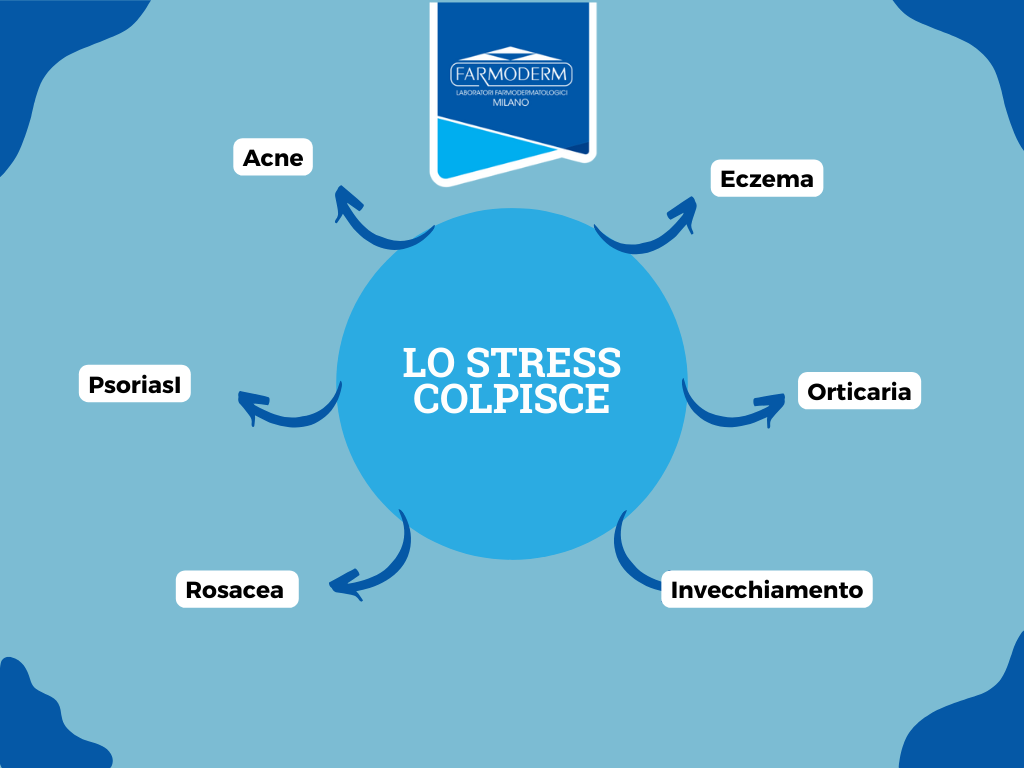
How stress affects
Stress is a common factor in modern life and can have a profound impact on the skin. When the body is under stress, it releases cortisol, a hormone that can cause inflammation and irritation. Stress also triggers sebum production, resulting in clogged pores and acne. In addition, stress can weaken the skin barrier, making it more susceptible to damage and aging.
Stress can have a significant impact on the skin. It can cause different skin conditions and worsen existing ones. Here are some of the ways stress affects the skin:
Acne: Stress activates the hormone cortisol, which can cause increased sebum production and clogged pores, resulting in skin rashes.
Eczema: stress can trigger the appearance of eczema, causing redness, itching and dryness of the skin.
Psoriasis: stress can worsen the symptoms of psoriasis and cause its occurrence.
Rosacea: Stress can cause dilation of blood vessels in the face, resulting in redness, flushing, and pimple-like bumps in people with rosacea.
Urticaria: stress can cause the release of histamine, resulting in hives and other skin rashes.
Aging: stress can increase the production of free radicals, which can damage skin cells and accelerate the aging process.
It is important to manage stress to maintain healthy skin. This can be done through exercise, Mindfulness and stress management techniques. Taking care of the skin by using gentle products, avoiding harsh chemicals and protecting it from the sun can also help mitigate the effects of stress on the skin.
2. Protect your skin from stress-induced rashes and other concerns
Stress-induced skin issues, such as rashes, testify to the deep connection between our mental well-being and skin health. Although it is difficult to eliminate stress completely, there are proactive measures to protect our skin from its adverse effects. Here are four recommendations to protect your skin from rashes caused by stress and other related concerns:
Mindfulness and Relaxation Techniques: Incorporate practices such as meditation, deep breathing exercises and progressive muscle relaxation into your daily routine. These techniques can help reduce overall stress levels, thereby reducing its impact on the skin.
Here are 7 mindfulness techniques for skin health:
Breathing exercises: Start with breathing pattern 4-7-8. Breathe in by counting to 4, hold your breath by counting to 7 and then slowly exhale by counting to 8. This simple technique can be practiced anytime, anywhere.
Mindful Pause: When you feel overwhelmed, pause and take 10 deep breaths. This can change your perspective and energy.
Body Scan: Before going to bed, focus your attention on different parts of your body, moving from head to toe. This technique can aid in relaxation and better sleep.
Be Present: Engage fully in pleasurable activities, whether it is a walk, a hot shower or simply sitting outside.
Mindful exercise: Activities such as walking or jogging can be meditative in nature. Be present during these exercises and observe the emotions and feelings that emerge.
Daily alone time: Dedicate 10-15 minutes each day to solitude. Sit quietly, be still and simply be with yourself.
Mono-tasking: Instead of multitasking, focus on one task at a time. This improves productivity and reduces stress.
Consistent skin care routine: Establish and maintain a daily skin care routine that suits your skin type. This should include gentle cleansing, moisturizing and regular exfoliation to remove dead skin cells. Using products with soothing ingredients such as aloe vera, chamomile and green tea can help calm stressed skin.
Here is a complete routine to achieve youthful skin tone:
Step 1: In the morning, cleanse your face using Ophir Gentle Face Scrub. Apply it in gentle circular motions and rinse for smooth, soft and purified skin. Ophir’s scrub also has an emollient effect thanks to the presence of shea butter, which moisturizes facial skin and helps fight wrinkles and blemishes.
Step 2: After a good cleanse, apply Ophir Mattifying Gel to protect your skin from external factors and the appearance of the first wrinkles and, most importantly, to get rid of the much-hated shine. Thanks to hyaluronic acid, the gel hydrates your face both by supplying water into the stratum corneum and by forming a film that prevents excessive evaporation. In addition, Ophir gel is perfect to use as a primer to enhance, lengthen and facilitate makeup application.
Step 3: In the evening, your skin is more receptive, so after normal cleansing, we recommend applying Ophir Anti-Aging Cream. Not only will it help you fight the signs of aging by stimulating cell turnover, evening out skin texture and tone, strengthening collagen fibers and their stability, and reducing the appearance of wrinkles, but it will also keep dry, non-youthful skin hydrated and supple thanks to the presence of arginine, calcium gluconate, and a purified fraction of Poria Cocos.
Balanced diet and hydration: A nutrient-rich diet can strengthen skin health. Consume foods rich in antioxidants, omega-3 fatty acids and vitamins, which can fight inflammation and support skin repair. In addition, drinking plenty of water ensures that the skin stays hydrated, reducing the likelihood of stress-induced dryness and flaking.
3. The importance of sleep for skin health
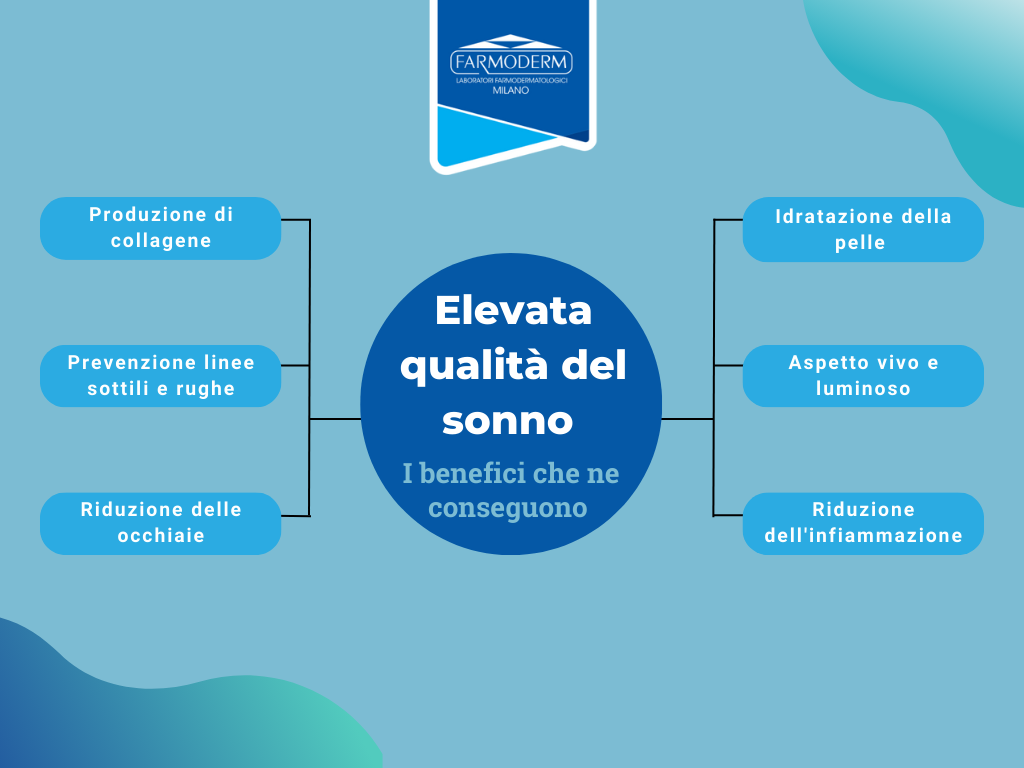
Benefits from high sleep quality
Sleep plays a key role in skin health, as while we sleep the body repairs and regenerates. Lack of sleep can cause dark circles, puffiness and dull skin. When the body is deprived of sleep, cortisol levels rise, causing inflammation and skin damage. In addition, sleep helps regulate the skin’s natural sebum production, preventing pimples and promoting a glowing complexion. Here are some of the ways sleep affects the skin:
Collagen production: sleep is essential for the production of collagen, a protein that provides structure and elasticity to the skin.
Hydration: During sleep, the skin has the opportunity to retain moisture, keeping it hydrated and supple.
Reduced inflammation: Lack of sleep can cause increased inflammation, leading to conditions such as acne, eczema and psoriasis.
Reduction of dark circles: sleep helps reduce the appearance of dark circles by reducing fluid accumulation.
Tired and dull appearance: lack of sleep can make the skin appear tired and dull, with less radiance and vibrancy.
Fine lines and wrinkles: Sleep deprivation can cause increased production of cortisol, a hormone that can break down collagen and lead to the formation of fine lines and wrinkles.
Getting enough and good sleep is essential for maintaining healthy, glowing skin. Aim to get 7 to 9 hours of sleep each night by avoiding cell phone and PC/Tablet use before bedtime and creating a relaxing bedtime routine.
4. Conclusion

Good Night
Stress and sleep quality have a significant impact on skin health. Learning to manage stress levels and improve sleep habits, can help maintain healthy skin. Adopting a skin care routine that includes cleansing, moisturizing and protection from external agents (sun, smog,etc.) can also help maintain the health and appearance of the skin. Remember that taking care of the skin is an ongoing process and it is never too late to start.
In conclusion, stress and sleep are two essential factors that can greatly affect the health and appearance of our skin. It is important to take steps to manage stress, such as exercise, mindfulness, and prioritize adequate sleep so that the skin can repair and regenerate. By understanding the effects of stress and sleep on the skin, we can make informed choices and develop habits that support skin health and promote a younger, glowing appearance. Making changes in our lifestyle and skincare routine can help us achieve healthier, more beautiful skin.