
As you well know, the abdominals are among the most important muscles in our body: essential for stabilizing the spine, shoulders and therefore for maintaining good posture. They also help you move, lift objects, cough, sneeze and even laugh.
If you have recently had ostomy surgery, all of the actions listed above will now be very difficult for you to perform and often very painful.
Obviously, after your surgery, your abdominal muscles need a long recovery, as they have recently opened a passageway through your abdominal wall.
The care and recovery of the abdominal muscles requires a lot of patience on your part, but they are definitely necessary steps.
If you are wondering whether it is possible to do physical exercises with an ostomy, we give you the answer below:
You can and should exercise with an ostomy, as long as you start slowly and with light exercises, such as breathing exercises and short walks. As soon as you feel comfortable, train your muscles with low-stress exercises. Consistent training will promote your physical and mental well-being.
So, in this article we will explain why it is essential to have an exercise routine after your ostomy packing surgery. In addition, we will provide you with a complete program of light exercises you can do at home, which you can download and print for free!
Why is it important to train with an ostomy?
The period after ostomy surgery can be challenging both physically and mentally. Ostomy surgery weakens the abdominal muscles, as doctors must make an incision to pack the ostomy. This weakens the muscles of the abdominal wall, which, as you know, are necessary for almost every movement and activity.
In addition, if you do not strengthen your abdominal muscles you may risk developing a hernia around your stoma.
Exercise not only has the benefit of strengthening abdominal muscles, but also provides better overall health and well-being.
Doctors have long found that regular exercise is associated with lower stress levels and better mental health.
So aside from the reduced risk of developing postoperative complications such as a hernia, regular exercise can help you reduce stress levels, shorten the postoperative recovery period, and gain confidence in your body.
Post ostomy surgery training program to do at home
After ostomy surgery, it is very important to keep fit, however, it is equally important to be cautious.
Ask your stomatherapist’s opinion about the right exercise program for you.
Start with simple exercises while you recover your strength from surgery: with proper patience and shrewdness you will be able to do all the exercises you did before surgery.
Below, you will find an exercise program for people with an ileostomy, colostomy, or urostomy that will help you regain muscle strength.
The exercises were organized according to the time since surgery: immediately after surgery, 1-2 weeks after surgery, and from 3 weeks after surgery onward.
Exercises to do Immediately after surgery:
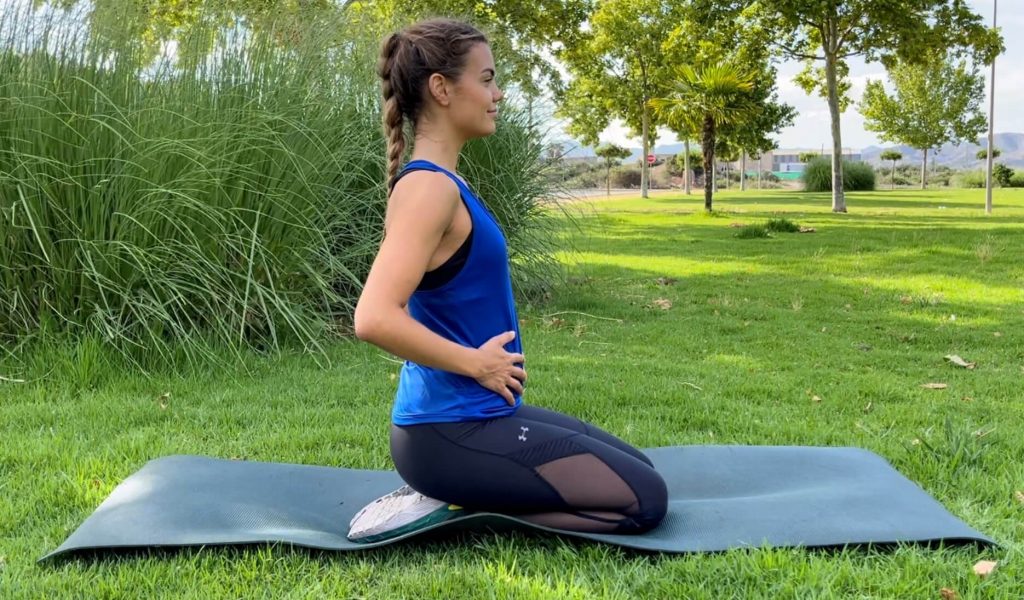
Breathing exercises:
You can start doing these exercises even immediately after your surgery. Choose the position you prefer: you can choose to do them sitting, lying down or standing.
- Lay a hand on your belly
- Breathe in slowly, counting to four
- Hold your breath for three seconds
- Exhale slowly, counting to four
Repeat this exercise 15 to 20 times, 2 to 3 times a day.
Over time, as your physical condition improves, gradually increase the number of repetitions and the inhalation and exhalation times. Remember to pay special attention to your breathing, especially when you feel that you are short of air.
Walking:
Walking is extremely important for effective recovery after surgery.
Within a few hours of surgery, your nurse or doctor may recommend that you take short walks.
You may find it extremely difficult at first and you may need crutches, but, even for short stretches, try walking every day.
This exercise will help you slowly regain your strength and keep your muscles active.
In the first few days after surgery, start by walking for only five minutes. Increase the distance slowly until you can take long walks.
One to two weeks after surgery:
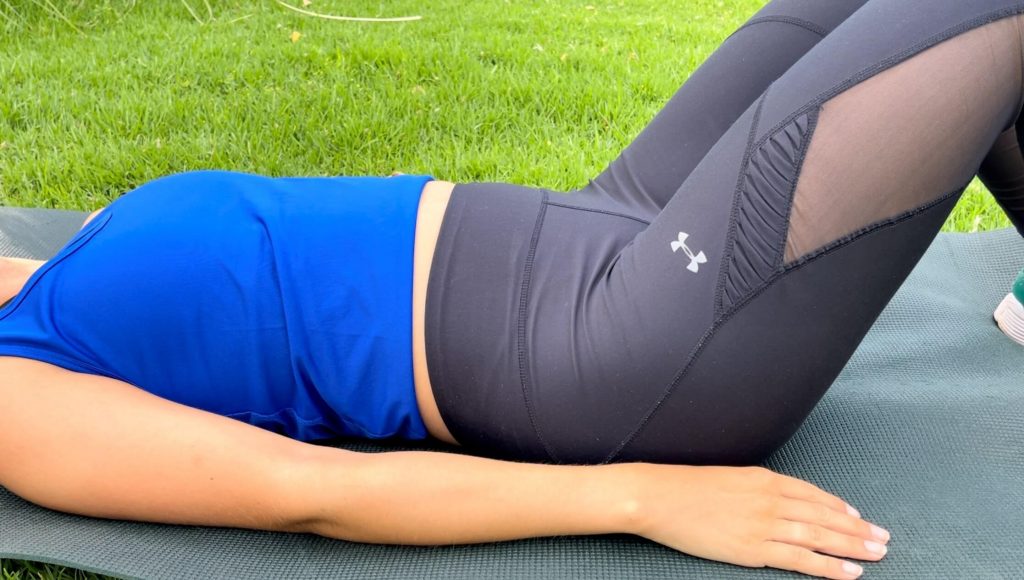
Contraction of the abdomen:
- Lie on your back
- Bend your knees bringing them upward and rest your feet on the floor
- Take a long, slow breath, counting to eight. At the same time, gently contract your abdominal muscles.
- Hold the position for 3-5 seconds
- Exhale slowly, counting to eight
Repeat this exercise 10-15 times a day.
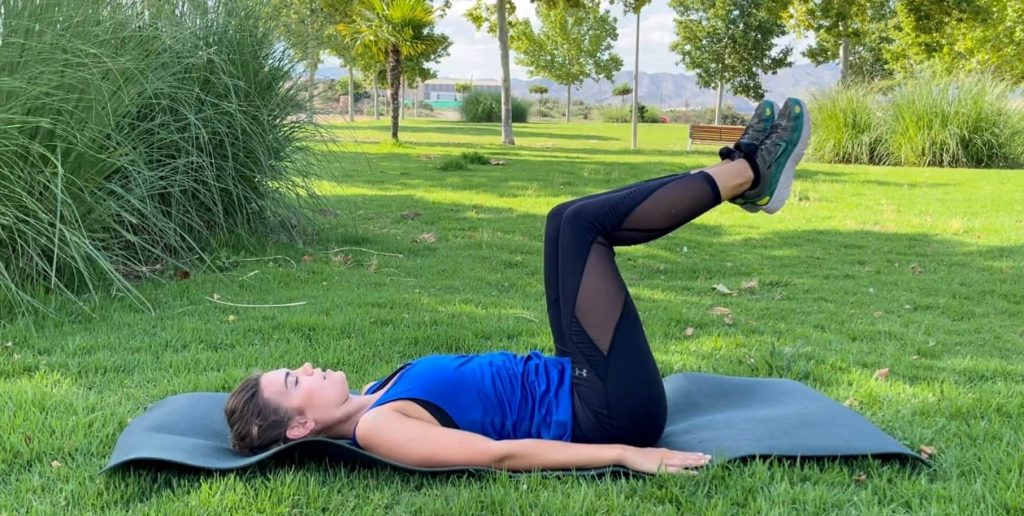
Rotation of the kneesia:
- Get into a supine position
- Bend your knees bringing them upward, bring your feet together and rest them on the floor
- Slowly rotate your knees toward the ground
- Hold this position for about 3-5 seconds
- Slowly return to starting position
- Repeat this movement while rotating your knees to the other side
Repeat this exercise every day, 3-5 times per side.
Please note:
When several weeks have passed since the surgery, you can increase the intensity of the exercise by lifting your feet into the air, rather than resting them on the floor.
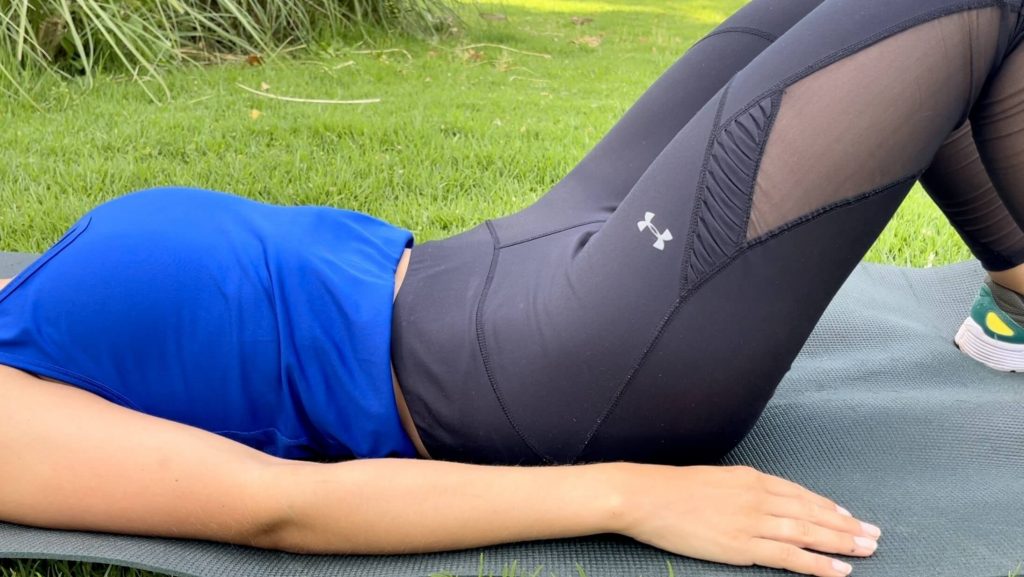
Pelvic tilt:
- Lie on your back
- Bend your knees bringing them upward and rest your feet on the floor
- Slowly, contract your stomach muscles, imagine you are pushing your belly button toward your pelvis, downward. (You should feel your back resting on the floor).
- Loosen the contraction
Repeat this exercise 15 to 20 times, every day.
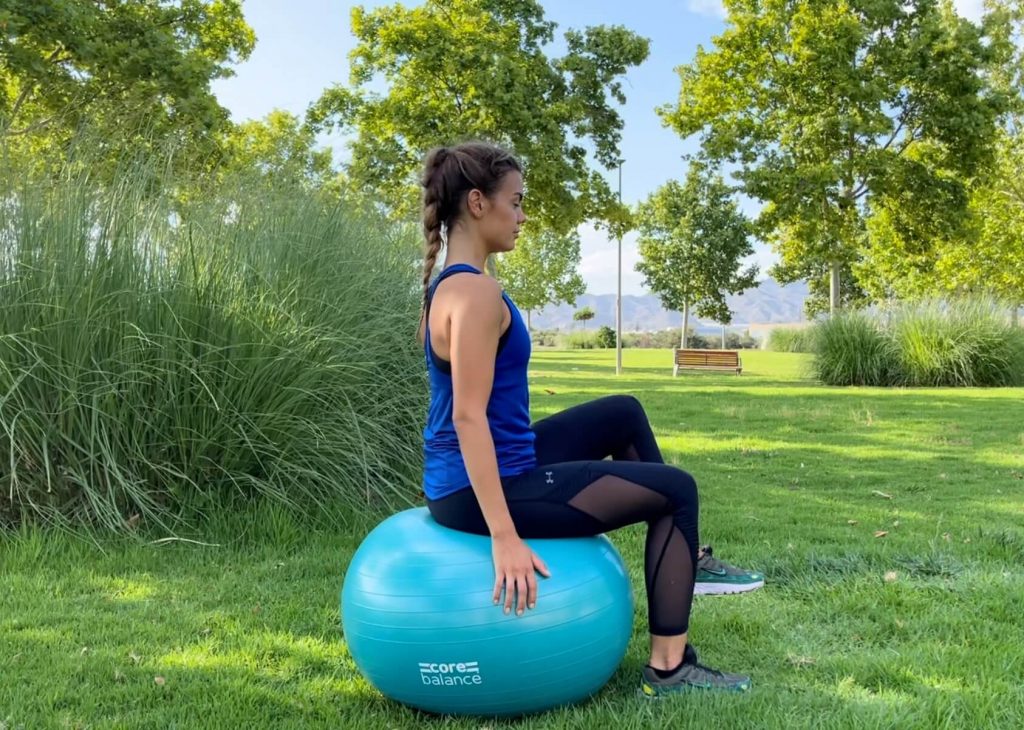
Leg lifts from a seated position:
- Sit in a chair or on a fitball, with your feet resting on the floor
- Breathe in slowly and contract the abdominal muscles.
- At the same time, lift one of the feet about 10 cm, off the floor
- Hold this position for about 3-5 seconds
- Exhale as you return to the starting position
- Repeat with the other leg
Repeat this exercise 3 to 5 times per leg, every day.
From the third week after surgery
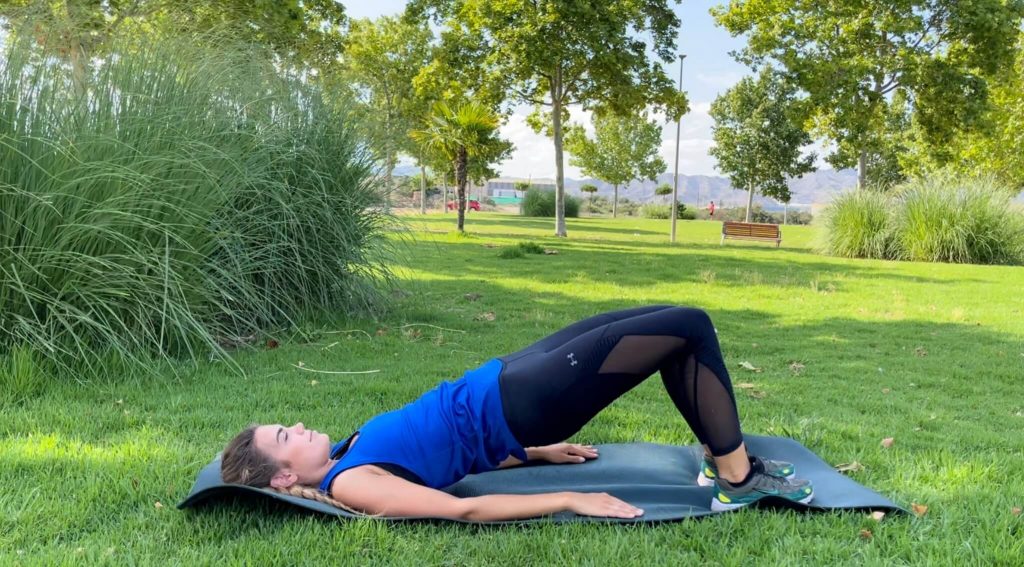
Gluteal bridge:
- Get into a supine position
- Bend your knees bringing them upward and rest your feet on the floor
- Slowly lift the pelvis off the ground
- Align knees, pelvis and shoulders
- Hold this position, with muscles contracted, for a few seconds
- Slowly return to the starting position
Repeat this exercise about 2-3 times during the day, every day.
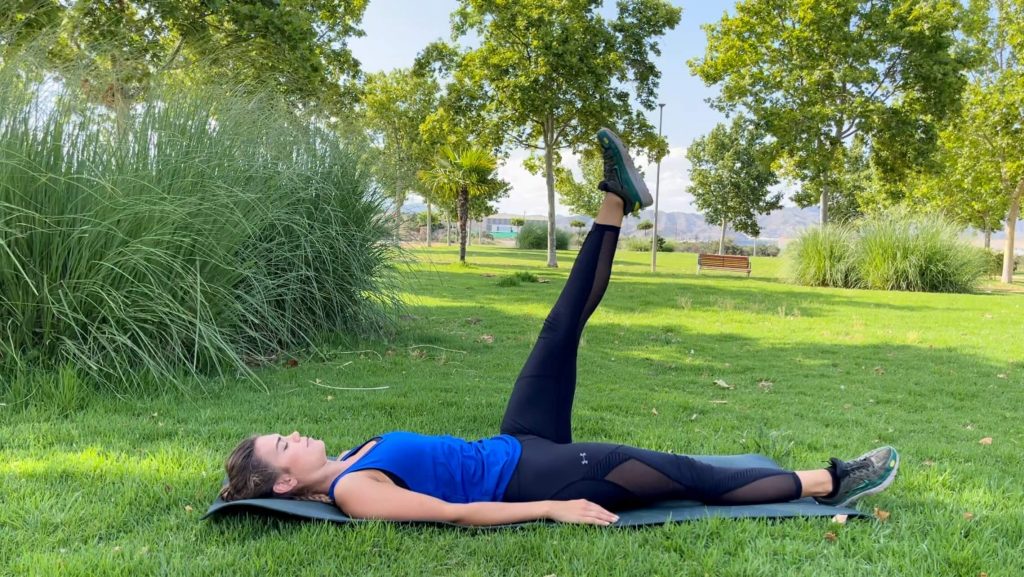
Alternate leg lifts:
- Lie supine with legs outstretched, parallel to the floor
- Raise your right leg as high as you can, then gently lower it
- Contract your abdominal muscles when you lift your leg
- Repeat the exercise with the left leg
Perform this exercise 3 to 5 times per leg, every day.
Seated abs:
- Sit in a chair or, if you prefer, on a fitball with your feet resting on the floor
- Breathe in slowly and contract the abdominal muscles.
- As you do so, stand up slowly
- Keep the muscles contracted for 3-5 seconds
- Sit back in the chair
Repeat this exercise about 5-10 times, every day.
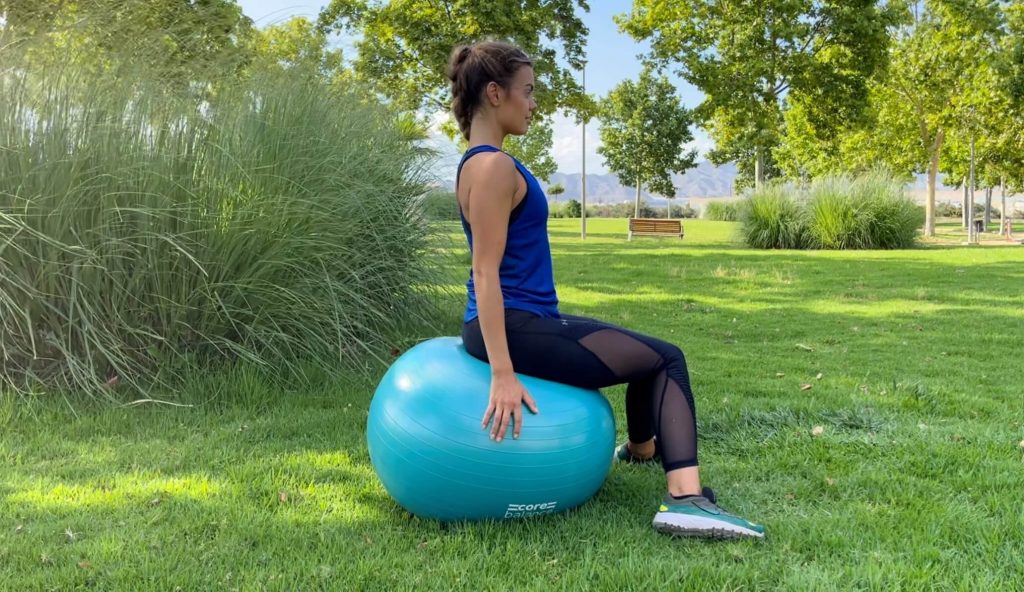
Sitting on a fitball 1:
- Sit on the fitball with your knees together and your hands on your waist
- Hold this position for 15-30 minutes or as long as is comfortable for you
- The more time that has passed since surgery, the longer you can maintain this position
Alternatively, you can use a chair; this exercise is great for fortifying the abdominals and improving balance
Do this five times a week.
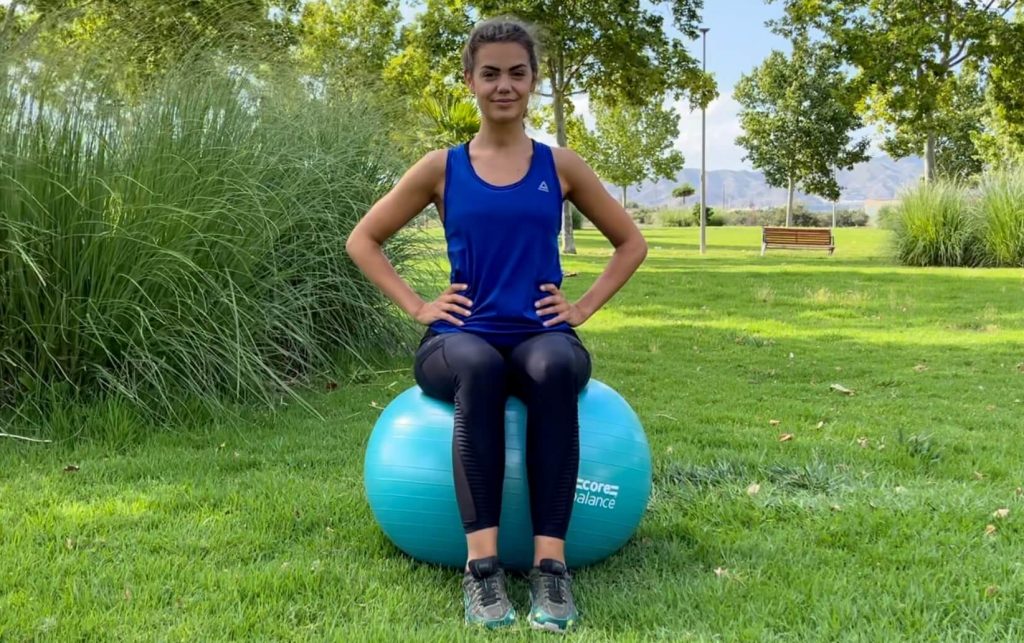
Sitting on a fitball 2:
- Sit on the fitball with your knees apart
- Bring your knees together slowly, inhaling as you do so
- Exhale as you open your knees again
Repeat this exercise 5-10 times or as long as you can, every day.
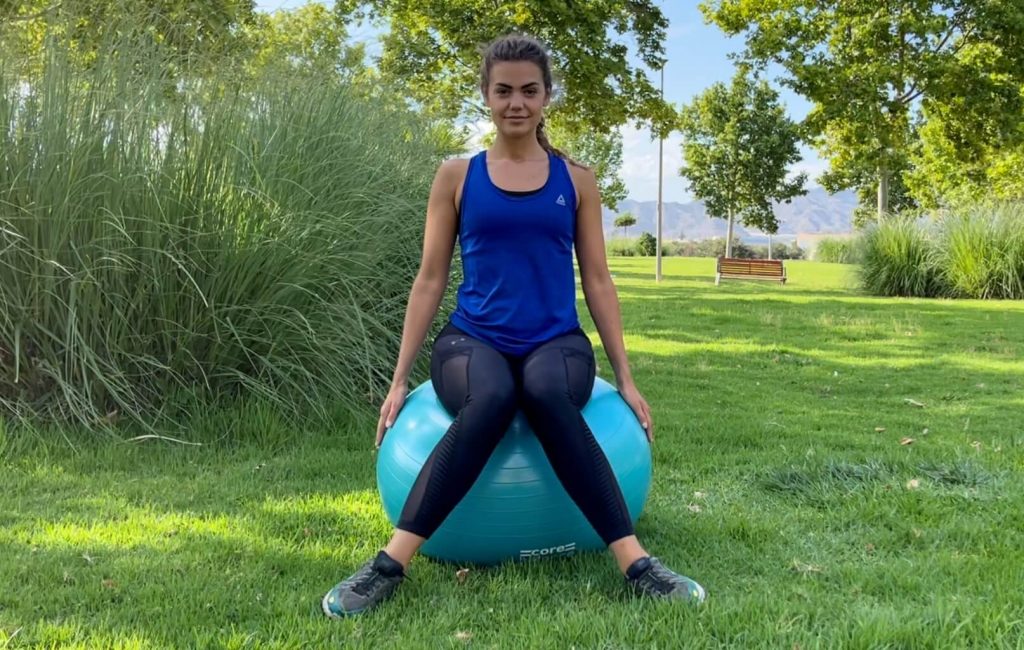
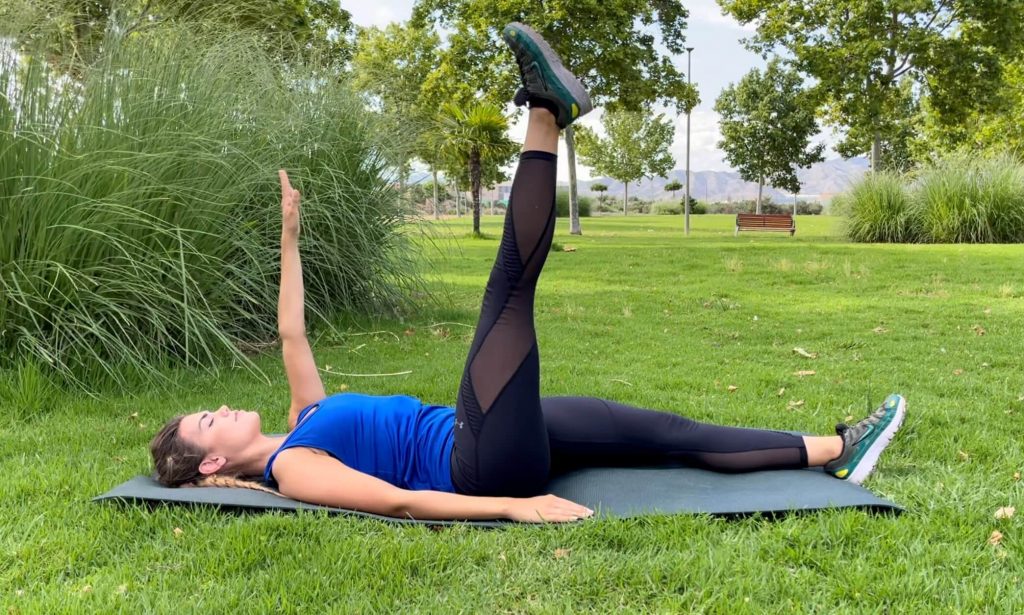
Alternating arm and leg raises:
This exercise can be performed either lying down or sitting on a fitball, with knees together.
- Lifting the right hand and left leg
- Hold this position for 10-15 seconds
- Repeat the exercise with the left hand and right leg
Do this about three times a day, every day.
The more time that has passed since the surgery, the higher the number of repetitions that can be done each day. Remember: the perfect routine for you is the one that makes you feel comfortable.
Please note: Even if you think you have fully recovered, incorporating this basic workout into your daily routine can have many benefits.
Also try Pilates, it is very helpful in strengthening your postural muscles and improving your balance .
- Don’t strain yourself. As time passes, you will be able to do more strenuous exercises, but it is important to focus on healing during the recovery period. Immediately after surgery, the wound is still healing, and strenuous exercise may break the sutures.
Also keep this in mind when performing any household chores-avoid carrying bags, moving furniture, or doing intense cleaning in the first few weeks after surgery. - Stop if you experience pain. If at any time during your routine you experience pain, stop exercising immediately. Your goal is to regain strength as you recover; pain during exercise is a clear sign of overexertion during your workout. If this happens, recalibrate your exercise routine. Talk to your doctor to discuss how to do this.
- Look for a community. Immediately after surgery, your motivation for exercise will understandably be low. You will most likely not want to do anything. Being able to share your thoughts with people who are going through a similar experience to yours will help you feel better. There are many wonderful virtual communities of ostomates who exercise. In fact, through social media, you can find online communities to share and ask for advice. Take a look at this article if you want more tips on how to connect with other ostomates through social.
- Wear comfortable clothes. As with exercise in general, comfortable clothing is a must during exercise. Especially for ostomates, comfortable clothes that do not create pressure or rub against your garment and cause irritation during exercise are necessary. Stretchy leggings or loose-fitting sports pants are the best solution. You can find great advice at any sporting goods store near you.
- Maintain a healthy diet. A healthy, balanced diet rich in minerals, vitamins and protein must go hand in hand with exercise, especially for ostomates. D
- Maintain good hydration. Drink often and a lot when you perform physical exercises. With exercise, you will lose a lot of fluids through sweat. Especially people with an ileostomy are at risk of becoming dehydrated easily, as they lose a lot of fluids through the stoma.
Make sure to drink enough water before and after your exercise program to maintain good hydration. - Avoid exercising immediately after eating. It is not a good idea to exercise immediately after a meal. This may cause you digestive problems and may also speed up your bowel movements.
- Empty the bag before your workout.
Empty your garment before you start your workout. If the bag fills up during exercise, however, take a break to empty the bag.
Doing physical activity with a full bag can put you at risk of leaking. - Consider seeing a personal trainer/physiotherapist. It can be very helpful to have a personal trainer to help you with your exercise regimen.
Be sure to talk to your doctor about your exercise program so that he or she can give you some additional advice.
Alternatively, you can ask your doctor to put you in touch with a physical therapist who is an expert in the care of ostomates and from whom you can request therapeutic training. - Consider getting an ostomy exercise belt. A ostomy belt can be extremely useful when you are exercising immediately after surgery, as it provides support for your body.
Especially if you plan to do more intense exercise, a belt is a must-have item.
However, don’t wear the belt daily; avoid relying on it too much. - Take care of your peristomal skin: supple, healthy skin will greatly reduce the likelihood that you will have pain both when exercising and at rest. In fact, people with ostomies often face even severe skin changes due to improper hygiene routines. However, with a proper hygiene routine that includes ostomy-specific products you will see noticeable improvements in your skin, which will remain soft and healthy.
If you want to learn more, about how to perform proper peristomal skin hygiene, check out this article.
If swimming is your passion,with the right patience, you will be back on your feet (or in the water) doing everything you did before surgery!
Remember: there is no reason why you should not have an active life with an ostomy.
Immediately after surgery, doing physical activity, may seem like an unattainable goal. However, by following the exercises and suggestions provided above, your recovery period will be even shorter! People with an ostomy, can do everything they did before surgery, such as working, traveling, working out, etc. Very soon you will be able to do all these things too! Keep practicing to regain your strength and soon you will be able to take back the reins of your life! For a proper hygiene routine, especially after exercising, we recommend using Bioderm Stoma Plus ostomy-specific cleanser to enjoy your workout to the fullest. Bioderm Stoma Plus, to enjoy your workout to the fullest.
In this section, we have collected for you the most frequently asked questions about physical exercises to do at home:
Frequently asked questions
Can I exercise if I have an ileostomy?
Patients are encouraged to do light walking immediately after ileostomy surgery, while heavy lifting and abdominal exercises are not recommended until three months after an ileostomy.
However, you can practice light exercises and breathing exercises in the early postoperative days to strengthen the abdominal walls and reduce recovery time.
Can you lift weights with a stoma?
After you have fully recovered from ostomy surgery, you can generally lift weights with an ostomy.
However, it is important to consult your doctor first. Do not make great efforts during the first three months postoperatively.
Remember: start with simple, light exercises. In due time you will be able to lift heavy loads, as you did before your ostomy surgery.
How much weight can I lift with an ostomy?
Within the first 12 weeks after surgery, you should avoid lifting weights. In the beginning, doctors often recommend limiting lifting to a maximum of 4.5 kg.
Lifting large loads, can increase the risk of developing a hernia around the stoma. A belly band or ostomy belt, can be a good aid as you lift weights.
Is sweat deleterious to my ostomy?
New types of ostomy bags are designed to withstand daily exposure to moisture such as sweat, shower water, etc. Usually, even after prolonged exposure to moisture, ostomy garments should be able to adhere perfectly to the peristomal skin for several days.
How to lose weight with an ostomy?
Consume small portions and adopt a healthy, balanced diet, this will help you lose weight.
Use cooking methods such as steaming or boiling (even for fruits, especially if you cannot eat them raw). If you combine a good diet with healthy exercise, you will surely achieve your desired weight.
Can you play sports with an ostomy bag?
As long as you are careful not to overexert yourself, there is no reason why you cannot play sports with an ostomy bag. If you play contact sports, such as rugby, soccer, or basketball, wear an ostomy vest or belt to make sure your bag is protected and securely in place.
Can I run with an ostomy?
There is no reason why you should not be able to return to running with an ostomy. Start by running short distances and try not to overexert yourself. Be sure to wear a belly band or ostomy belt to keep the pouch firmly in place. Finally, wear comfortable clothes and drink plenty to keep well hydrated.
