
Collapsing is an unpleasant surprise that many ostomates tend to experience frequently. Unfortunately, this phenomenon is the cause of numerous leaks under the plaque, which generate frustration and discomfort.
If this happens to you often too and you are looking for a solution, so that you can enjoy your days and moments of rest without worries, then you are in the right article!
We have compiled 10 tested tips to help you recognize the causes of your collabs. With these tips you will be able to solve the problem yourself.
These are the ten effective tips that we recommend you use to solve your glue problems:
- Blow some air into your bag
- Cover the bag filter (if it has one) to prevent the vacuum effect
- Add some rolled toilet paper to the inside of your bag
- Find the right presidium for you
- Use a lubricating deodorant
- Manually push the stool to the bottom of the bag
- Increase fluid and fiber intake
- Don’t eat right before going to sleep
- Measure your ostomy frequently and cut the plaque to the right size
- Avoid tight clothing
Table of Contents:
- What is collaboration?
- What are the causes of collapsing?
- How to manage a collaboration
- Frequently asked questions
- Although I have tried blowing air into my garrison, adding some lubricant, changing my power supply, and adding a sticker to the filter, I continue to have glue problems. What can I do about it?
- What is the most useful advice, which works for most ostomates, in preventing collapsing?
- In the absence of a lubricating deodorant, what can I use to lubricate my ostomy bag?
- What can I do to soften my stool to prevent collapsing?
Read on to get the full picture regarding glueing, what it consists of, and how to solve this problem.
What is collaboration?
Collapsing occurs when, due to the vacuum effect, the pouch becomes flattened and the feces coming out of the stoma accumulates at the top of the pouch. Subsequently, when more fecal material comes out, as there is nowhere else to go, the effluent begins to create pressure against the adhesive barrier, causing leakage and skin irritation. Often it may also happen that this strong pressure causes the adhesive plate to detach completely.

To avoid serious skin changes, we recommend that you use products specific to your stoma. In fact, a proper stoma hygiene routine is essential to prevent irritation, itching, pain, and discomfort.
What are the causes of collapsing?
The ‘vacuum effect is one of the main causes of collapsing. Another very common cause of this phenomenon concerns the consistency of stool, which is often too pasty.
In any case, regardless of what is the cause of your glue, in this article we have the solution to solve this problem once and for all!
How to manage a collaboration
Ostomates often experience this annoying problem (especially at night), when effluent accumulates on the surface and this causes a leakage.
Therefore, emptying and cleaning your bag, besides being a tedious operation, will also be more complex than usual.
You may feel a sense of bewilderment thinking about why this problem occurs with some frequency.
DON’T WORRY, by following our advice, we are sure that, you will be able to solve it.

1. Blow some air into your bag.
If you use a bag without a filter, you can simply blow a little air into it, so as to create a space between the two walls of the garment, before adhering it well to your peristomal skin.
This will allow you to prevent the vacuum effect from occurring and, more importantly, allow the feces to reach the bottom of the bag without any obstruction.
2. Cover the bag filter to prevent vacuum effect
Ironically, some bags have a filter that works really effectively, removing most of the air from the bag.
This causes the vacuum effect that consequently prevents effluent from reaching the lower part of the garrison.
To solve this problem, we recommend that you cover the filter (usually located on the top of the bag) with one of the small stickers that come with the bags.
The use of an adhesive has a twofold advantage:
1. You can prevent the vacuum effect.
2. You will have full control of bad odor spills. You will be able to go to the bathroom and conveniently remove air whenever you need to, without having to worry about releasing bad odor around.
Take note: Remove the adhesive from the filter at night to avoid gas buildup when you sleep. Otherwise, another problem may occur that is not related to glueing but to bag bulging.
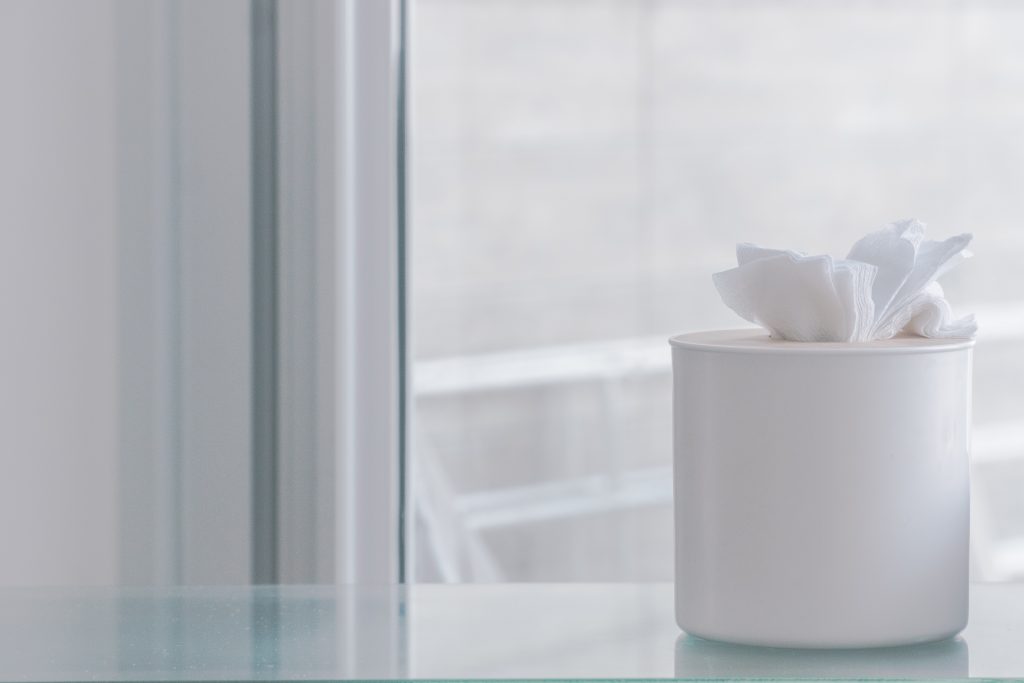
3. And some rolled toilet paper inside your bag.
Many ostomates solve the problem of collapsing by adding one of the following to the inside of the pouch:
- A rolled piece of toilet paper or wet wipes (shaped like a cigarette).
- cotton ball.
In this way, the walls of the pouch will remain separate, preventing them from flattening.
4. Find the right presidium for you
Consider that the ostomy bag you are using may not be the right one for you. Try various patterns, with different shapes and materials!
For many ostomates, the optimal solution, to solve the problem of glueing, is the use of convex plates.
They designed this type of plate to provide depth (with a curved shape) so that the plate can fit securely around the stoma, providing a good seal.
5. Use a lubricating deodorant
Many ostomates have found it extremely useful to use a lubricating deodorant to ensure that the inside of the pouch is slippery enough to allow stool to reach the underside of the garment, thus avoiding the risk of possible glueing.
Be sure to apply lubricating fluid around the plate and inside the pouch. Then, gently move the garment and make sure that all areas inside the pouch are well lubricated.
Other ostomates claim that some home remedies might be as good as lubricating deodorant. Such as baby moisturizing oil and vegetable oil (sunflower or olive oil).
Another excellent alternative, preferred by people with an ostomy, is to apply a few drops of specific stoma care cleanser inside the pouch.
It is absolutely important to use an ostomy-specific soap that does not damage the stoma.
A self-balancing ph solution, also recommended for cleaning the ostomy itself, is definitely the best option.
Unlike other cleansers, it is designed for fragile and sensitive peristomal skin. Therefore, it is free of substances that could damage the ostomy, peristomal skin or pouch!
We advise you not to use any other product, as it may reduce the time you can use your garment, affect the adherence power of your plaque, or irritate your ostomy.
6. Manually push the stool to the bottom of the pouch.
You may find it difficult at first, but have faith, it is a good solution when you happen to have thick, sticky stools.
Don’t be afraid to push stool to the bottom of the pouch. Keep this advice in mind especially when wearing an ostomy band or very tight clothing.
7. Increase fluid and fiber intake.
Especially if you have a colostomy, your stools will vary greatly from being soft to a sticky consistency every day, depending on your diet, hydration, and even the medications you are taking.
Therefore, to make stool less sticky, you can start:
- By avoiding starchy foods (such as rice, pasta and potatoes), processed foods, peanut butter and almonds.
- Trying to increase your intake of insoluble fiber found in vegetables, fruits and whole grains. These types of fiber do not dissolve during digestion, so they add volume to stools and promote bowel movement and ultimately prevent thick and/or dry stools.
Pay attention: Avoid these foods if you have recently had your ostomy surgery.
- Considering taking probiotics daily, because many studies show that they promote a healthy balance of gut bacteria, which contribute to improved digestive health and immune function.
- Drinking a lot of liquids. This will significantly help you soften stools. Increase your daily intake of water, fruit juices (apple, grape and prune juice) and other liquids.
Please note: Each person is unique. The best diet for you will depend on your body, medical condition, and the type of ostomy you have.
Basically, if you have a colostomy, you may experience rather thick spills.
If you have an ileostomy, you may have more watery stools.

8. Don’t eat right before going to sleep
Regardless of whether you have a colostomy or ileostomy, the phenomenon of glugging at night while sleeping is quite common and frustrating.
The good news is that you can avoid it simply by planning your meals. We recommend dining in the early evening rather than late at night to have a peaceful night. Also, eat the most substantial foods throughout the day so that your evening meal is kept as light as possible.
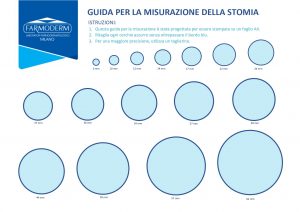
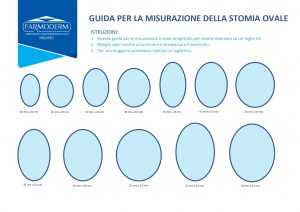
9. Measure your ostomy frequently and cut the plaque to the right size
Because each stoma is different in size and shape, you will need to measure it and cut the plaque barrier to the appropriate size to ensure that your presidium works effectively and correctly.
If the adhesive plaque is too tight around the stoma or even covers part of it, it may block the passage of stool and redirect it under the plaque.
Here are our guides to checking the diameter of your stoma:
Guide for measuring circular stoma
Guide for measuring the stoma ovale
10. Avoid tight clothing
There are few restrictions when it comes to what to wear. Just avoid tight-fitting clothes that might restrict or obstruct the passage of feces from the stoma to the pouch. If you prefer to wear jeans or tight pants, try sizing them down a bit or wear stretchy clothes.
Final considerations
We are optimistic that these suggestions have helped you and resolve the glugging, and now you have also discovered that resolving this phenomenon is not as difficult as you thought. Now you will be able to restore your restful sleep and feel a sense of security in your daily life as you enjoy life with your loved ones.

Frequently asked questions
Still haven’t found the answer to your question? We have collected for you the most frequently asked questions related to collaboration:
Although I have tried blowing air inside my garrison, adding some lubricant, changing my power supply, and adding a sticker to the filter, I continue to have glue problems. What can I do about it?
If the collapsing problem continues to occur, try using a different type of collection system. We recommend you try a convex plate, as its unique design allows the stoma to protrude better into the pouch. Many ostomates find convex plates extremely helpful in dealing with the phenomenon of collapsing.
What is the most useful advice, which works for most ostomates, in preventing collapsing?
Most ostomates find it extremely useful to seal the bag filter with an adhesive, so as to imprison some air inside it. This, prevents the vacuum effect, which is a major cause of collapsing.
In the absence of a lubricating deodorant, what can I use to lubricate my ostomy bag?
The most common alternative is baby moisturizing oil or vegetable oil as it is really cheap and widely available in the market. Besides that, it does not harm your ostomy.
Alternatively, we recommend that you use a drop of ostomy-specific cleanser such as Bioderm Stoma Plus. Since it was created specifically for peristomal skin hygiene, so it will not harm either your ostomy or your garment, acting as an excellent alternative to lubricating deodorant.
What can I do to soften my stool to prevent glueing?
Especially if you have a colostomy, you may have problems with glugging due to your stools (often) having a pasty consistency.
To soften your stool, drink grapefruit or prune juice. Also, limit foods with thickening ability, such as bananas.
For more information and tips, for healthy and balanced nutrition for people with a colostomy, check out our blog.