
If you have an ostomy, leakage is probably one of your main concerns. It is quite understandable. Just the thought of a possible leak under the plaque, soiling your clothes and/or sheets, is really terrifying.
Some ostomates get frustrated, and after several unsuccessful attempts, they give in to the idea that there is nothing they can do-“leaking is normal,” they say. However, this is far from true!
There are many ways to prevent leakage from under the plaque. Most of the time, you just need to make some minor adjustments to your hygiene routine, habits, or collection system. Below we will explain what causes under-plaque leaks and how to fix them: How can I prevent leaks?
To reduce leakage, choosing the right products for proper ostomy care is essential. Care of the peristomal skin is also critical. Healthy, hairless skin is necessary for the plaque to adhere properly and prevent leakage of feces and/or liquid material. What are the main causes of leakage under the plaque?
One of the main causes of leakage under the plaque is swelling of the pouch due to high gas production, which causes it to detach. Another very common cause is the evacuation of very liquid stools that become creep under the plaque, irritating the peristomal skin. These problems can, however, be solved by adjusting your diet and taking some precautionary measures.
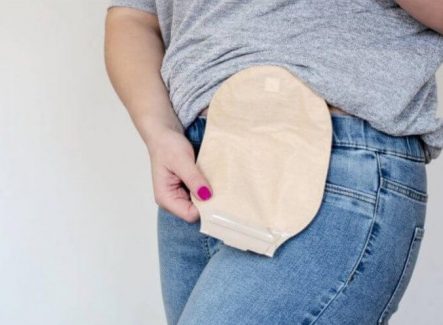
If you’re worried about leakage under the plaque, here are 20 practical tips to prevent it:
1. Find the collection system best suited to your needs
Choosing the right ostomy care for your ostomy is essential to reduce leakage. There are various types of collection systems on the market, but which one is the best?
Obviously, the best ostomy collection system is the one that works best for YOU. Each ostomy is unique and differs from person to person.
You will most likely try several brands and models before you find out which one fits your ostomy best. Below we will give you some tips on which collection system you should choose.
If you are concerned about leakage, choose an ostomy care that has.:
- an easily adjustable plate to fit your ostomy perfectly, without leaving the skin exposed
- A plaque that adheres well to the peristomal skin (avoids the formation of folds)
- An ostomy bag with a valve or filter for gas release
2. Having proper peristomal skin hygiene is essential
Proper hygiene and care of the peristomal skin is essential to avoid leakage and skin problems. If your skin is irritated and/or inflamed, plaque will not adhere to it properly. This will lead to a leaky ostomy collection system, creating a vicious cycle between skin irritation and plaque detachment. This is one of the main reasons why you need to take care of your peristomal skin! Check out these 10 steps to perfect your peristomal skin hygiene routine and prevent annoying skin irritations.
3. Measure your stoma and cut the plaque hole correctly
The plaque, in addition to adhering well to the peristomal skin, must also fit properly into the stoma (a plaque with too narrow a hole could strangle your ostomy). It is important that there is a space of 1.5 to 3 mm between the plaque and the stoma. These precautions will help you protect your skin from possible irritation and inflammation from contact due to effluent leaks.
To prevent leakage and subsequent skin irritation, make sure you have a plaque that adheres perfectly to your peristomal skin. Therefore, measure the diameter of your stoma regularly as it may change in size over time.
4. Remove hair around the stoma regularly and carefully
To reduce the possible detachment of plaque, regularly and carefully remove the hairs around your stoma. If you do not remove the hairs, the plaque will not adhere properly and leakage may occur below it. Also, with long hairs, you may increase the risk of irritating the peristomal skin because you may pull on them abruptly when removing and/or changing your collection system.
When shaving hair around the ostomy, use an electric razor or curved-tip scissors rather than razor blades or depilatory creams since, these ill-advised methods might cause you skin irritation, and the formation of ingrown hairs.
When shaving around your ostomy, do so following the direction of hair growth to avoid possible irritation. Also, always be very careful not to bump into your ostomy.
At the end of shaving, avoid using generic creams or aftershaves. It is best to wash the area with a cleanser specifically for peristomal skin hygiene with self-balancing pH and rinse with lukewarm water. In addition, for perfect care of the peristomal skin, we recommend that you apply a small amount of cream with an isodermic formula. This will allow you to have a healthy and moisturized skin.
Use only ostomy-specific products, which are able to provide a dual benefit:
- Soothe and calm irritated skin
- Preventing skin changes
5. Change your collection system regularly
The frequency of collection system replacement depends on several factors (e.g., itching, irritation, personal needs, etc.).
However, change your garrison regularly to avoid problems of wear and tear and subsequent leakage.
- Drainage bags can be replaced every 3-4 days.
- The adhesive plaque should be changed twice a week (otherwise, the adhesive power of the plaque will loosen and leakage may occur).
Change the collection system when you feel the need!
6. Remove your garment gently
“Tear it off quickly like a band-aid, so it will hurt less!”
Unfortunately, this advice DO NOT apply to the removal of your garment. In fact, you must be very careful when removing your adhesive plaque.
Avoid sudden movements, you could do serious damage to your peristomal skin (inflammation, bleeding and severe pain).
If the skin is altered, the new plaque will not adhere properly (not to mention hurt like hell). This would cause subsequent leakage and further injury to the skin.
7. Properly cleanse and dry the peristomal skin
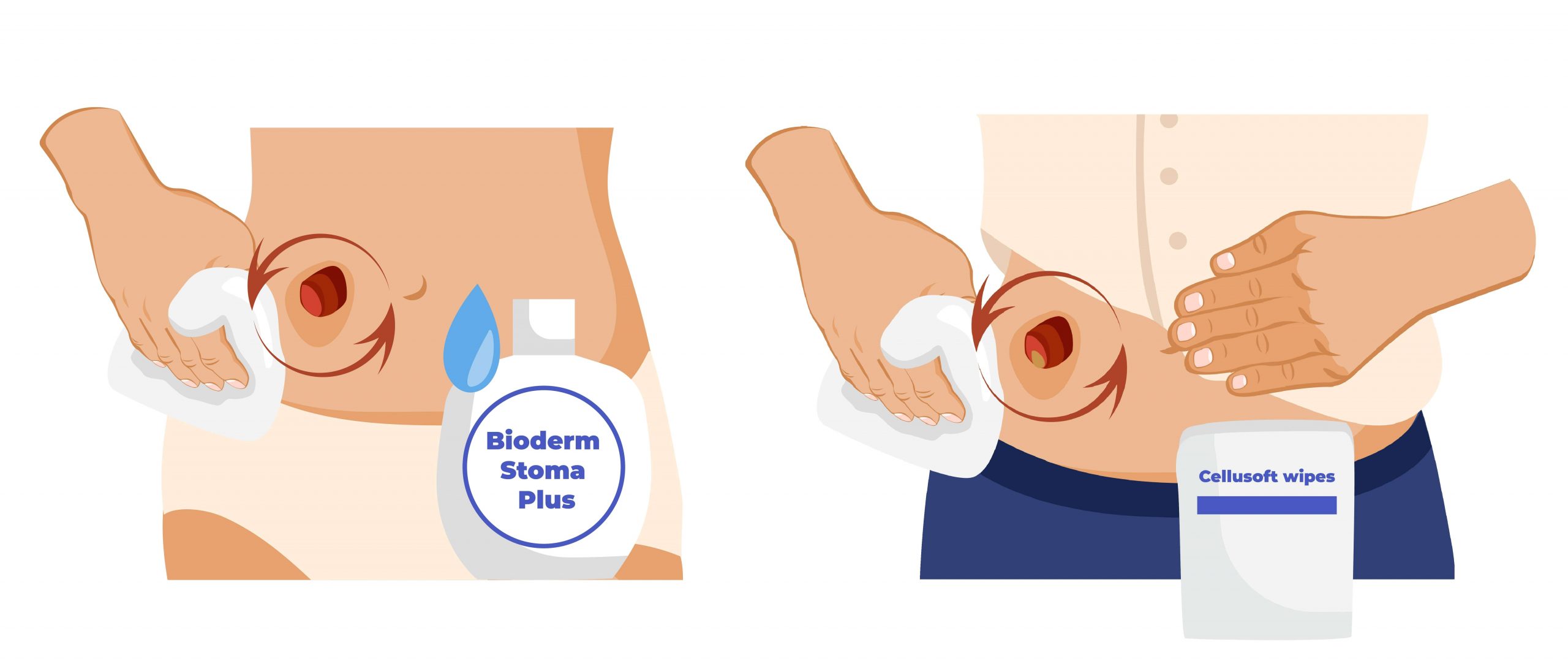
When changing your collection system, be sure to cleanse the peristomal skin carefully. Avoid leaving any residue that might prevent plaque from adhering properly to the peristomal skin.
Also, after cleansing, be sure to dry well with a disposable cloth that is soft yet durable so that no residue is left on the skin and skin irritation is avoided. We recommend using Bioderm Superabsorbent Wipes.
The presence of residue or water on the skin would prevent the plaque from adhering properly causing it to detach and leak stool in the short term.
8. Apply the new plate very carefully and avoid creases
When you apply the new adhesive plate, be sure to flatten the peristomal skin where you will place the device. If you do not perform this step correctly, folds may form under the adhesive barrier, through which effluent may leak.
If you notice creases under the plaque, gently remove it and apply a new plaque.
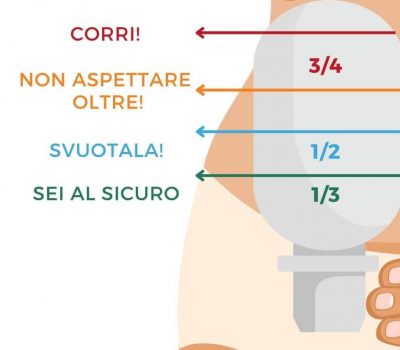
9. Empty the bag before it is completely full
Unless you like living on the edge, the best time to empty the ostomy bag is when it is one-third to one-half full. This advice applies to all types of ostomy (colostomy, ileostomy, and urostomy).
The longer you wait, the more likely the bag will break. Also, as the bag becomes heavier, the plaque will loosen its grip and leakage may occur.
Now, imagine this happening when you are away from home.
10. Use hydrocolloid rings and strips.
To adhere your plaque more securely and prevent any leakage you can use hydrocolloid ostomy rings and strips.
The rings are small and round and should be applied right around the stoma. They are malleable and adjustable, and can provide enough convexity (and fill in uneven skin contours around your stoma). In this way, you will definitely avoid the risk of leakage.
Hydrocolloid strips are curved adhesive tapes that must be applied around the edge of your plaque to make it stick firmly.
11. Gently heat the new plate to activate the adhesive part
Gently heat the plaque; this will allow you to activate the adhesive and make it adhere firmly to your peristomal skin.
To do this-and before peeling off the protective layer-you can place the plate, for a minute, between your thighs or under your armpit, or you can simply rub it between your hands for a few seconds to let it warm up.
Alternatively, some ostomates use a hair dryer to activate the adhesive part of the plaque before applying it.
12. Maintain correct posture
If you have recently had ostomy surgery, then you will learn over time to adapt your posture so that you do not put pressure on the ostomy pouch.
To avoid unpleasant consequences, try to sleep on your back and sit upright while keeping your torso straight.
Poor posture can loosen the plaque and cause subsequent stool leakage and irritation.
13. Wears an ostomy belt during exercise
Exercise could do damage to your collecting system. So if you have an ostomy and regularly practice sports, a belt is for you.
An ostomy belt will perfectly support your pouch, preventing its movement and thus greatly reducing the risk of leakage.
This item fits your needs perfectly-from sleep to exercise to sexual intercourse.
Many brands and models are available to meet your needs. On this web page StealthBelt.com you will be able to find the one that suits you best.
14. Develop a routine to prevent night losses
One problem that many people with an ileostomy, as well as colostomy and urostomy, experience is leakage below the plaque during the night. No one would like to wake up in the middle of the night to clean up feces, clean the bed, and have to change the collection system.
Unfortunately, there are no effective methods to 100% avoid night losses. However, you can follow these tips:
- Always empty the bag before going to sleep
- Make sure your collection system is intact and does not need to be changed
- Wears an ostomy belt for an added level of safety
- Use a bag with a larger capacity for the night
- Set an alarm in the middle of the night to check and empty your bag depending on your needs
15. Avoid foods that might cause excessive flatulence.
Excessive gas accumulation in the bag could cause it to rupture or detach from the adhesive plate.
The production of intestinal gas is part of the natural digestive process and therefore you cannot avoid the formation of air in your pouch.
What you can do is avoid foods that increase gas production such as beans, most green vegetables, milk, oats, etc.
Finally, remember to ventilate the bag whenever you feel it is necessary, so you can reduce pressure and prevent any leakage.
Some ostomy bags have a built-in filter to release the gas, try them, they are definitely a good option.There, now you are ready for a relaxing and worry-free shower.
Remember: pay attention to your body’s signals and adopt the hygiene routine that works best for you. Don’t be afraid to try different methods; your personal preferences are likely to change from time to time.
16. Testing with a convex adhesive plate
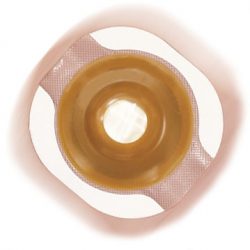
A normal ostomy adhesive plaque is usually flat. However, many people do not have a flat stomach. Using a standard adhesive plaque may not be effective in these cases, as it does not adhere properly and may cause leakage.
Fortunately, several ostomy plate manufacturers provide convex adhesive barriers to meet every need.
Convex ostomy plates are also generally recommended for ostomates who incur frequent leakage.
Try them, they may be the right solution for you!
17. Check the expiration dates listed on your ostomy management products.
If you are one of the many ostomates who store large quantities of ostomy management products at home, then this advice is for you.
Many ostomates forget to check device expiration dates. The use of an expired bag or adhesive plate can lead to collection system malfunction, leakage, detachment or even bag rupture.
The expiration date is there for a reason, so be sure to check it regularly.
18. Avoids collapsing (vacuum effect)
Collapsing occurs when, due to the vacuum effect, stool (with a pasty consistency), which comes out of the ostomy, accumulates at the top of the pouch to such an extent that it is in danger of detaching. This is a problem that happens to many ostomates, but it occurs mostly in people with colostomy.
To avoid collusion you can:
- Use a water-based ostomy lubricant to put inside the pouch
- Drink fluids and eat foods that soften stool consistency
- Blow some air into the bag to avoid vacuum effect
If the glue effect happens to you often and you want to know in detail what you can do to solve this problem, take a look at this article.
19. Keep your skin healthy
By now it will be clear to you how important care of the skin around the stoma is to prevent leakage. With irritated and/or inflamed skin, plaque does not adhere well and a leakage of stool from the stoma may be inevitable.
Here are some tips for peristomal skin care:
- Clean the peristomal skin well with a disposable wipe. The Bioderm Superabsorbent Wipes are ideal for all dermatological treatments with liquids, creams, oils or foams and the gentle cleansing of fragile or irritated skin, as they are extremely soft, durable and absorbent. In addition, due to their small size, they can be conveniently carried on the go, and being biodegradable they can also be flushed down the toilet.
- Use specific products for stoma cleansing, such as Bioderm Stoma Plus. Free of substances that can lead to skin reactions, its innovative formula helps restore the skin’s natural acidity and prevent and reduce any skin changes.
- Keep your skin well moisturized. We recommend that you use. Bioderm Dermocreme, which is suitable for fragile and very sensitive skin and has a high nourishing, emollient and revitalizing power. Applied constantly to asphyxiated or depleted skin, it promotes the restoration of the hydrolipidic content of the protective mantle-an indispensable factor in maintaining healthy and elastic skin. It absorbs very quickly and will not hinder the adhesive power of your new collection system.
- Avoid wet wipes, scented soaps, and other skin products (powders and creams) that are not specifically created for stoma care. These can cause further skin irritation and inflammation.
To help you prevent this problem-in collaboration with experienced stomatherapists-we have created a guide for daily stoma care and hygiene. See this article to better manage your peristomal skin and prevent possible irritation.
20. Very watery evacuations? Improve your diet
If you have an ostomy, it is possible that you often experience diarrhea or very watery evacuations. When this happens, you may get nervous easily because the collection system fills up quickly and leakage may occur.
By making small changes in your diet, you will also be able to change the consistency of your stool.
In general, if you add nuts, seeds, fruits such as apples and bananas, rice, oats and other high-fiber foods to your diet, you can make your stools less watery.Leakage is a common problem for most ostomates. Proper care is needed to prevent this problem, however, don’t worry, by following our advice you will be able to find the solution that best suits your needs and leakage will become only a distant memory.