
Aging brings physical and emotional challenges that require love, patience, and special skills. In this comprehensive guide, Farmoderm offers practical tips to support caregivers in their daily management: from empathic communication to caring for fragile skin to strategies to counter loneliness and dementia, always ensuring dignity and well-being for our loved ones.
Table of Contents:
- Overcoming the fear of medical care in the elderly
- Effective communication with the elderly
- Dehydration in the elderly, management and risk prevention
- Seniors with anxiety and depression: how to support your loved ones and help them feel better
- Changing diapers safely and comfortably for the elderly person
- Skin care in the elderly: protecting and soothing delicate skin
- Incontinence in the elderly: tips for caregivers
- Loneliness in the elderly: how to help them stay connected and socially active
- Gifts for the elderly: original and useful ideas to surprise your loved ones
- Hygiene for the bedridden elderly: how to care for them
- Activities for bedridden elderly: fighting boredom and loneliness
- Dementia management: some management tips.
- Exercises for the elderly to improve physical health
Introduction
Aging is obviously characterized by significant changes on the physical level, however, we must not forget those changes that affect the emotional and social aspects as well.
These changes are often challenges, which can become particularly difficult to overcome without adequate support.
Support from caregivers, family members, friends, and professionals, therefore becomes essential to help the elderly manage daily difficulties while maintaining an optimal quality of life.
Caring for an elderly person is a task that requires not only deep commitment, but also love and patience, and specific and indispensable professional and human skills.
Thoroughly understanding the needs of the elderly person makes it possible to offer him or her the assistance needed to ensure a peaceful and dignified daily life.
Farmoderm’s experience in supporting caregivers allows us to dive into some of the most relevant issues in elder care, offering practical tips that can be used to deal with the complexities of daily caregiving.
We will explore how to manage common challenges in health, communication, and emotionality so that seniors can be assured of ongoing, quality support.
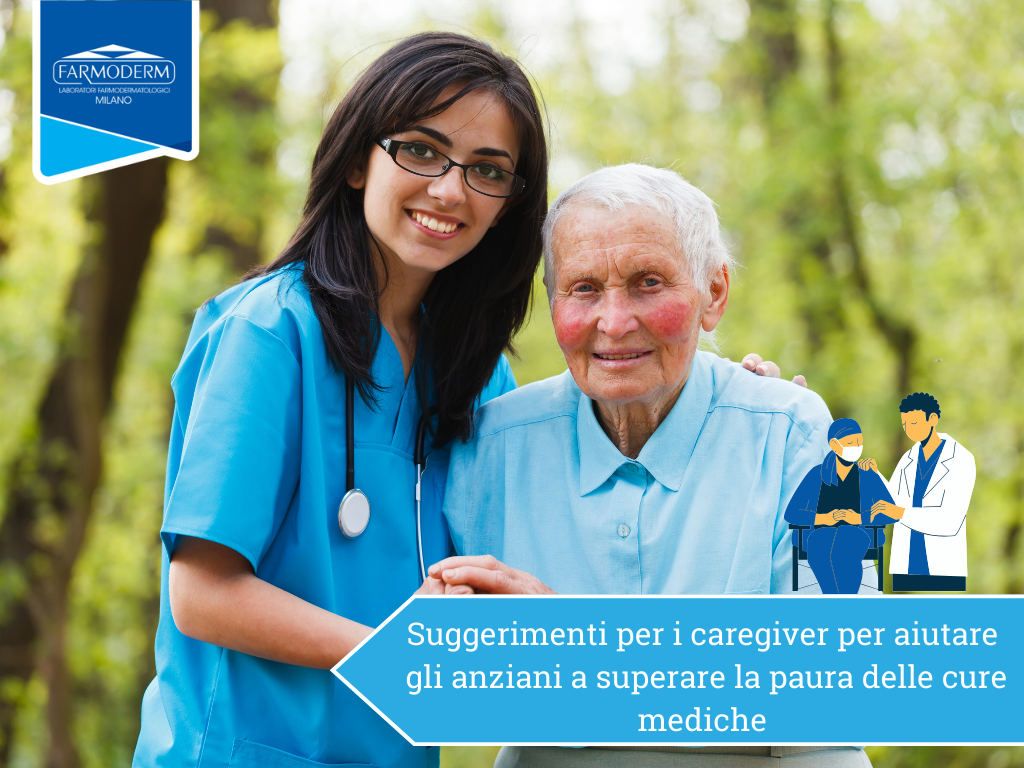
Overcoming the fear of medical care in the elderly
Fear of medical care is a common reality among the elderly, often rooted in negative past experiences, fear of pain, the unknown, but anxiety related to judgment or modesty also play a role.
These feelings can lead to procrastination or outright avoidance of medical appointments, often with extremely oppositional attitudes, risking serious impairment of their health.
There are some strategies that can help us alleviate these fears and gain their cooperation:
- Active Listening – Take time to understand the specific concerns of the elderly, without rushing to gain their cooperation.
A calm and peaceful dialogue can help identify the origins of their concerns and work on them, without being intrusive or pushy. - Constant and reassuring presence – Being a constant and reassuring presence can make all the difference in dispelling fears and calming and their mood.
Always take care to remind them that they will never be alone for medical appointments, without taking it for granted, and that they can count on your support. - Sharing preparation – Preparing together for medical appointments, gathering advance information about doctors, procedures, and documentation is important to mitigate the anxiety of the unknown and build the visit as part of a routine.
- Encourage communication-Reassure and stimulate the elderly person to talk to health care personnel, emphasizing the human as well as the professional dimension, so they can calmly express concerns or ask questions, and have clarity and control over their health.
- Celebrate progress – Find and plan together a time of leisure or interest following the visit, such as a coffee or a visit to friends and family, so as not to focus exclusively on the visit and to build self-confidence following the visit.
- Patience – It is essential to always or at any rate show patience, as overcoming these fears takes time and cannot happen overnight, especially for the elderly person who must accept the inevitable increase in his or her frailty in the face of an extremely structured character and habits.
- Professional support – In the situation of acute phobias or disabling anxiety, it is good to seriously consider the option of professional psychological support in order to prevent inadequate management of these conditions from leading to serious health impairment.
Should you wish to explore this topic further, we refer you to our full article on the subject:
Effective communication with the elderly
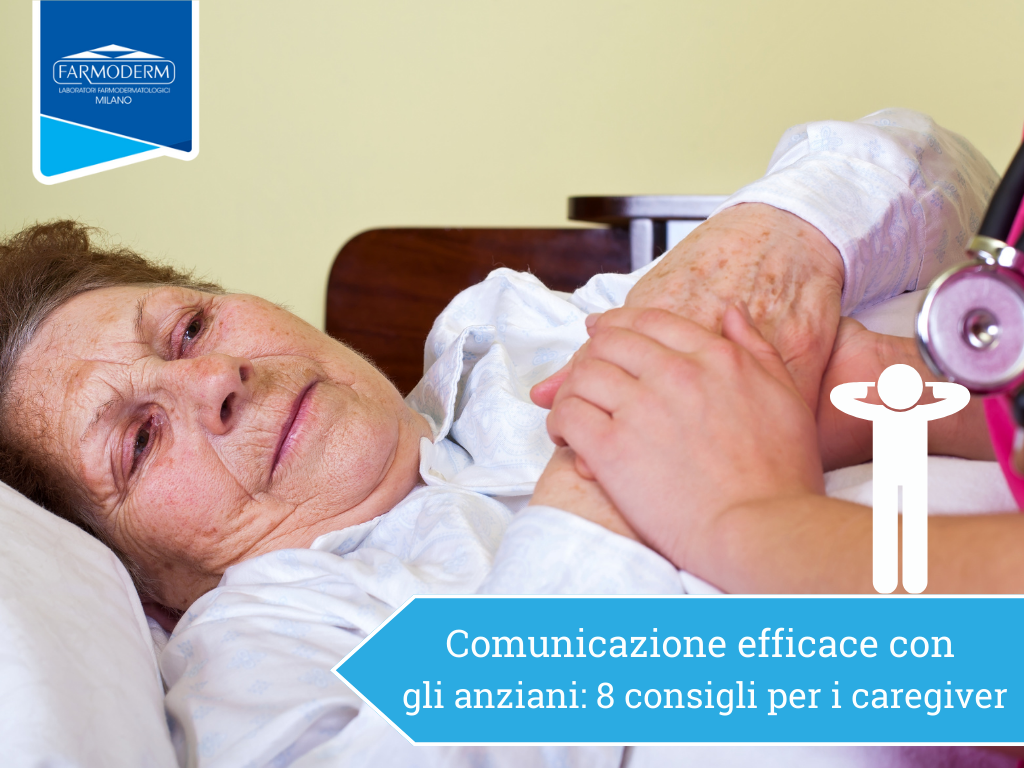
Communicating effectively with the elderly, particularly when they seem reluctant to listen, is one of the greatest difficulties for caregivers.
Often this behavior may stem from feelings of frustration, such as fear or confusion, that arise from the gradual reduction of autonomy and that the elderly may not be able to clearly recognize and express.
To overcome these barriers, it is essential to adopt an empathetic and patient approach, so as to place ourselves in the right mode to achieve effective communication tailored to the elderly person to whom we direct our attention.
These are some tips that Farmoderm’s experience has gathered over the years through continuous dialogue and listening to caregivers:
- Understand the context – Before starting a conversation, it is important to consider possible causes of stress or discomfort that may affect their openness to dialogue.
This may include physical health problems or emotional concerns, born out of past negative experiences. Whenever possible, try to remove or address in an assertive style these hindering elements. - Choose the right time and place – Dialoguing at a time when the elderly person feels rested and in a quiet environment can make all the difference.
A familiar, distraction-free place helps create a sense of security and serenity.
It is best to avoid harping on a topic if you perceive progressive stiffening or irritation in the elderly person. The context or time could be a cause of impatience and the topic only a source of further stress. - Nurture nonverbal communication – The nonverbal level, such as our body posture, tone of voice, and eye contact, matter much more than our words themselves.
Place yourself in an emotional state of openness and acceptance, so that your body and voice can adjust and communicate your words properly. - Simplify the message – Using short, clear and direct sentences can help the elderly understand the message better, especially if they are facing memory or concentration problems. Take the appropriate time to formulate sentences in the style most accessible to the elderly person, which is very often very different and distant from the everyday style of the people who care for them.
- Validate their feelings -Showing understanding and validation of their feelings disarms the elder’s fear of being judged and misunderstood, encouraging future conversations. Even if you disagree, always maintain a respectful style of their opinion and use welcoming words so they feel acknowledged and maintain their trust.
- Encourage dialogue for both – Stimulate the elderly person to express his or her opinions, asking for his or her thoughts or experiences, so as to foster a more balanced, less one-sided and person-valuing dialogue, despite the frail condition.
- Patience and consistency – It is crucial to always remember that building effective communication is a process that takes time and patience because it is built on trust.
Showing willingness to repeat information frequently and remaining consistent in the way you interact, strengthen mutual understanding, sets expectations and increases trust.
Open and respectful dialogue, grace with effective communication, is essential to support the elderly in feeling heard, especially in making them feel valued, at the very time they perceive this loss.
This not only improves the quality of their daily lives but also strengthens the bond between them and their caregivers.
For more strategies on how to communicate effectively with the elderly, see our full article here:
We also recommend this other article, related to the emotional dimension of managing the elderly:
Dehydration in the elderly, management and risk prevention
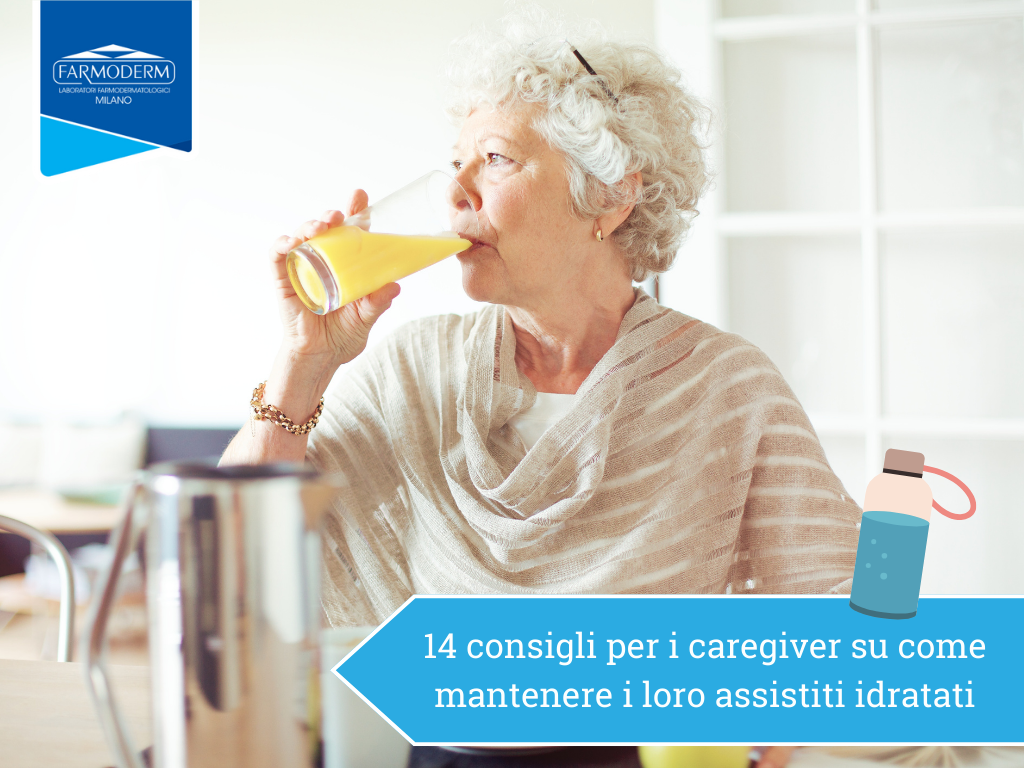
Dehydration in the elderly is a serious, very common and widespread problem that can significantly affect their health and quality of life.
Many factors contribute to this problem, especially for the elderly:
- Reduced thirst sensation – Old age can reduce the body’s ability to sense thirst, leading to insufficient fluid consumption.
- Limited mobility -Motor difficulties can make it more difficult for the elderly to quench their thirst independently, deterring them from doing so regularly.
- Diuretic effects of medications – Certain medications can increase the risk of dehydration by accelerating fluid loss.
- Pre-existing medical conditions-Diseases such as diabetes and kidney failure can exacerbate the risk of dehydration.
To mitigate these risks, some practical and detailed habits can be followed to help caregivers keep the elderly well hydrated:
- Frequency of offering fluids – It is essential to offer water or other beverages regularly, even if the elderly person does not express a desire to drink.
- Beverage preferences – Encourage liquid consumption by offering a variety of beverages that the elderly person prefers, such as herbal teas, natural fruit juices.
- Enrich water -Flavoring water with fresh fruit slices can make hydration more inviting.
- Monitoring fluid intake – It is useful to check if the level of hydration is adequate by checking the color of the urine, which should be a light yellow color.
- Watch for signs of dehydration-Signs such as confusion, dizziness or extreme fatigue need immediate medical attention.
Promoting good hydration not only helps prevent physical problems associated with dehydration but also improves energy and mental clarity, contributing to greater happiness and overall well-being in the elderly.
Remember that alcoholic beverages should be avoided, which are dehydrating, even if liquid they achieve the opposite effect.
For more details and strategies on how to prevent and manage dehydration in the elderly, please read Our full article:
Seniors with anxiety and depression: how to support your loved ones and help them feel better
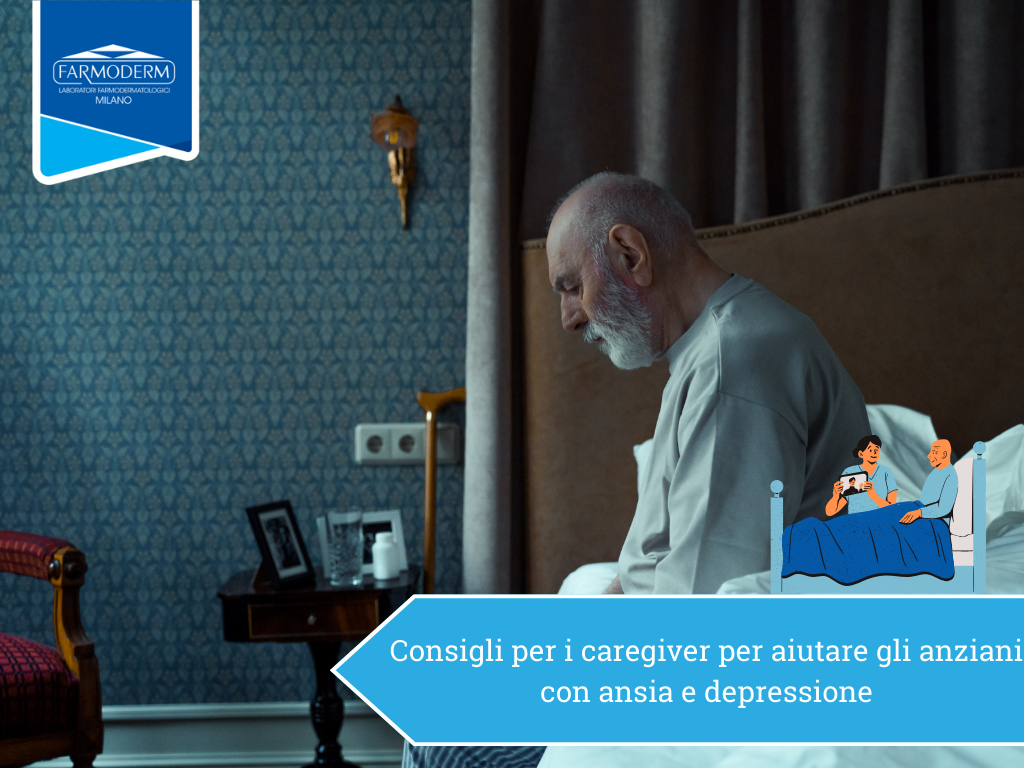
Anxiety and depression are frequently encountered conditions in the elderly, often amplified by factors such as social isolation, significant personal loss, or complications related to chronic health conditions. These disorders can seriously impair quality of life, often far more than the physical conditions themselves, especially if not managed properly.
Among the main causes of this condition we encounter:
- Isolation and loneliness – Being socially detached can intensify feelings of anxiety and depression, which in turn can lead to self-isolation, thus generating a vicious spiral.
- Bereavement – The loss of spouses or close friends can trigger prolonged periods of psychological distress, especially when faced in solitude.
- Health conditions-Chronic diseases such as arthritis or diabetes may predispose to depression because of persistent pain or limitations in daily life.
- Genetic factors-A hereditary predisposition may influence psychological frailty.
While it is very complex and always necessary to seek professional help, some supportive strategies can be put in place quickly:
- Recognition of symptoms-pay attention to specific signs, without minimizing them, such as persistent sadness, loss of interest or pleasure in usual activities, difficulty concentrating, and sleep disturbances, so as to intervene promptly.
- Open communication – Chat openly, showing helpfulness, understanding and a lot of empathy.
- Promotion of physical activity- Encourage light and regular exercises; physical activity has a significant impact on improving mood.
- Encourage socialization-Propose participation in social activities, such as visiting or welcoming home relatives and friends, or propose attendance at recreation centers.
- Stimulating and safe environment-Create a home environment that is comfortable and reassuring, adapted to reduce stress and promote well-being.
With appropriate support and timely interventions, anxiety and depression can be effectively managed, thereby improving the lives of the elderly.
You can also elaborate on this topic in the article we produced for caregivers:
Changing diapers safely and comfortably for the elderly person
Diaper changing is a delicate activity that must be done with care and respect, essential to preserve the dignity and comfort of the elderly person.
We therefore offer a brief guide to performing this procedure safely and effectively. Let’s start with preparation:
- Materials needed: make sure you have everything you need on hand, such as clean diapers, wet wipes or soft cloths to use with specific detergents, disposable gloves, protective cream, a garbage bag.
- Suitable environment: prepare a clean and quiet area with sufficient lighting to ensure comfort, safety and privacy.
To make the change follow this procedure:
- Hand hygiene: it is crucial to begin and end the process by washing hands to maintain hygiene.
- Positioning: gently help the elderly person lie down in a comfortable position, using supports such as pillows if necessary.
- Removal of soiled diaper: carefully remove the used diaper, taking care to minimize discomfort.
- Cleaning: clean the skin with wet wipes or a soft cloth and specific detergent, paying special attention to the most sensitive areas.
- Protective cream application: use a barrier cream to prevent irritation and redness. This small gesture can really make a difference in preventing redness.
- Placement of the new diaper: make sure that the diaper is placed correctly so as to prevent leakage without being tight and causing discomfort.
- Disposal of soiled diaper: throw the diaper in a bag and dispose of it according to your municipality’s instructions.
- Elder comfort: after the change, check that the elderly person is comfortable and reassure him or her that the operation is completed.
A few additional tips may be of particular help to you:
- Engaging the elder: keep the conversation light or put on soothing music to distract and calm the elder. It is necessary to convey a sense of naturalness so as to reduce any embarrassment felt by the elder.
- Sensitive skin: opt for products specifically for sensitive skin to avoid allergic reactions or irritation.
- Impaired mobility: consider using appropriate equipment such as lifts to facilitate the elderly person’s movements without causing stress or pain.
- Specific training: asking for support from experienced first change operators to understand the best procedures and maneuvers to follow can be very helpful.
For more details and specific advice on how best to handle diaper changing, we offer our article:
You will find more information, in great detail, on how best to deal with this new element of everyday life, always ensuring maximum comfort and respect for the elderly person.
Skin care in the elderly: protecting and soothing delicate skin
The skin of the elderly is thinner, more fragile and more prone to bruising than young skin. This is because of decreased production of collagen and elastin, which give the skin elasticity and strength.
In addition, the elderly often take medications that can thin the skin and make it more vulnerable.
However, it is possible to follow some simple habits and precautions to keep it healthy
- Consistent hydration – Use moisturizers formulated specifically for the skin of the elderly. Applying them morning and night will help keep skin supple and hydrated.
- Sunscreen – Apply a high-protection sunscreen before any exposure to the sun so as to prevent further damage and avoid painful sunburn.
- Maximum gentleness – Handle leather with extreme care, avoiding scratches and rubbing when cleaning or changing clothes.
- Suitable products -Prefer skin care products without harsh fragrances or dyes to minimize the risk of irritation.
- Nail care – Keep the elderly’s nails short and well groomed to prevent accidental scratches.
- Comfortable clothes-Choose soft, comfy clothing that does not irritate sensitive skin.
In addition to these attentions, constant monitoring and specific interventions are needed, such as:
- Regularly check – Inspect the skin frequently for early signs of bruising, abrasions or irritation.
- Treatment of bruising-Apply cold compresses to reduce swelling and pain and consider using arnica or vitamin K creams to speed healing, always under the supervision of the appropriate physician.
- Remedies for itching – Again, use soothing creams or cold compresses to relieve itching. Baths with colloidal oats can be beneficial, as can wearing soft, untreated cotton clothes.
- Medical Consultation – Do not hesitate to consult a physician in case of severe or persistent skin irritation for an appropriate treatment approach.
By taking these measures, you can ensure that the elderly person’s skin remains protected and healthy. For further discussion, we recommend reading our the full article on this topic:
Incontinence in the elderly: tips for caregivers
Incontinence, both urinary and fecal, is a common difficulty for many elderly people, significantly affecting their quality of life.
This disorder can result from various factors such as:
- Pelvic muscle wasting;
- neurological conditions;
- Urinary tractinfections;
- Use of certain drugs;
- In some cases, even obesity;
- that may impair bladder or bowel control.
As a condition that can lead to shame, social isolation and depression, it is crucial to handle it with sensitivity and understanding. We therefore offer some essential tips to support your loved ones:
- Open and calm dialogue – Communicate openly with the elderly person, showing empathy and understanding. Reassure him that incontinence is a common medical problem and that he is not alone.
- Medical consultation – Encourage regular visits to the doctor to identify the causes of incontinence and discuss possible solutions or treatments.
- Management strategies-Collaborate with your doctor to develop an individualized plan that might include the use of aids such as diapers, pelvic floor strengthening exercises, or dietary changes to relieve symptoms.
- Suitable environment – Make the home more accessible and safe, with bathrooms easily accessible and equipped with grab bars and handrails for support.
- Patience and support – Always show lots of patience and just as much sensitivity. Incontinence can be embarrassing and frustrating, and your support is essential to help the elderly person maintain dignity and self-esteem.
Remember, treating incontinence effectively means not only addressing the physical symptoms but also supporting the elderly person emotionally.
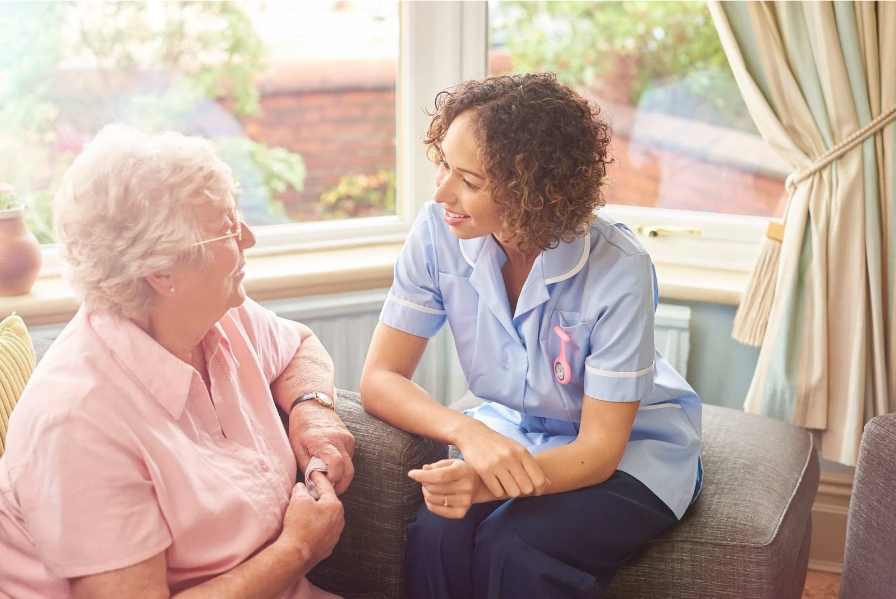
Loneliness in the elderly: how to help them stay connected and socially active
Loneliness is a widespread phenomenon among the elderly, negatively affecting their mental and physical health, which if neglected can easily lead to states of anxiety or depression.
Some of the triggers are common, such as the loss of spouses and friends, or health problems, but retirement, reduced mobility, and difficulty in communication, which can greatly limit their ability to act and interact, should also not be underestimated.
Before loneliness becomes routine with its associated complications, take care to encourage these routines beneficial to the elderly person’s sociality:
- Daily social activity – Encourage seniors to explore and participate in activities that spark their interest, such as hobbies, senior citizen classes or other groups that can provide stimulation and interpersonal connections.
- Meet with family and friends – Arrange regular visits to maintain ties with family and friends by arranging meetings or encouraging frequent phone conversations.
- Everyday technology – Teaches seniors how to use technological devices such as smartphones, computers or tablets. These tools can help them maintain contacts, access cultural or entertainment resources, and participate in virtual events.
- Constant emotional support – Take time to listen, converse and share moments together, it is the best way to counteract feelings of isolation.
Your presence can make a difference in their emotional well-being. - Professional counseling – If loneliness becomes overwhelming, as we have seen with anxiety and depression, do not hesitate to seek the support of professionals, who can offer personalized strategies to improve their quality of life.
Loneliness does not have to become a permanent condition. With support, love and the right strategies, it is possible to renew a sense of connection and satisfaction in the lives of older people.

Gifts for the elderly: original and useful ideas to surprise your loved ones
Choosing the right gift for an elderly person can be a daunting task. In fact, seniors often already have everything they need and do not want material things.
However, finding an original and useful gift can be a way to show them your affection and care, as well as bring color into their routine.
These are our suggestions:
- Experiences and Activities – A ticket to a concert or show, an organized group trip, or even a visit to an exhibition or museum. We recommend in this case to:
- Choose an experience or activity that is in line with the elder’s interests;
- Ensure that the experience or activity is suitable for his physical abilities;
- Consider accompanying the elder during the experience or activity.
- Technology Gifts-A tablet or smartphone for seniors so they can facilitate their daily life and stay in touch with family and friends. We also suggest:
- to spend a lot of time and patience teaching the proper use and maintenance of the devices;
- Install apps specifically for the elderly that are simple and have easy-to-read fonts.
- Personalized gifts-A scrapbook with family photos, a piece of jewelry with a special engraving, or an item that evokes fond memories.For the gift to be truly personalized:
- devotes time to find out what object or memory may have special meaning for the elder.
- Consider creating a personalized DIY gift. It will take more time, but it will have special meaning
- Always add a card with a personalized message to the gift.
- Wellness Gifts – A set of personal care products, a voucher for a treatment at a spa, or a senior gym membership.
- Gifts that encourage socialization-a card or board game, books or a magazine subscription. We recommend:
- Choose a game or books that are interesting to the elder, exploring his or her interests beforehand;
- Offer to accompany the elder to social events related to these gifts.
Remember that the most important gift is your time and attention. Spending time together is the most precious gift.
In case the elderly person is bedridden, we have thought of that as well, with a special article devoted to gifts for bedridden people:
Happy reading!
Hygiene for the bedridden elderly: how to care for them
Maintaining proper hygiene for a bedridden elderly person is crucial to preserving his or her health and well-being, being in a situation of extreme physical and emotional fragility.
First and foremost, it is essential to ensure that the skin remains clean, dry and protected to avoid irritation, infection and the formation of pressure sores.
Frequency and method of bathing
It is advisable to bathe the bedridden elderly 2-3 times a week, using lukewarm water. When bathing, use a gentle cleanser specifically for sensitive skin, taking special care to avoid harsh rubbing. Remember to dry the skin well, especially in skin folds, where moisture can cause irritation or facilitate the development of mycosis and infection.
Skin Hydration
After each bath, apply a moisturizer to nourish and protect the elderly person’s skin. Opt for products specifically for sensitive and dry skin, applying the cream in gentle motions to stimulate circulation without causing pain or discomfort. Focus on areas that tend to dry easily, such as elbows, knees, hands and feet.
Daily care
In addition to regular bathing, clean and check areas most susceptible to pressure or friction daily to prevent pressure sores. Use soft, breathable fabrics for bedding and clothing, and consider using specific pads or mattresses to reduce pressure on certain parts of the body.
Incontinence management
If incontinence is a problem, use high-quality absorbent diapers or aids that keep the skin dry and reduce the risk of irritation, changing them as soon as they get wet and applying barrier creams if necessary.
Professional Support
For complex situations or for specific advice on appropriate hygiene products and techniques, do not hesitate to consult a nurse practitioner or a caregiver specializing in the care of the bedridden elderly.
For more on how to best manage the hygiene of a bedridden elderly person and for additional tips, we leave you to our article where we explore the topic in detail:
Activities for bedridden elderly: fighting boredom and loneliness
For the elderly who are bedridden due to illness or injury, daily life can be monotonous and frustrating.
Boredom, loneliness, and social isolation can have a negative impact on their mood, their quality of life, and worsen their health status.
Below are some activities that can help the bedridden elderly combat boredom, loneliness and improve their quality of life. Here they are:
- Reading – Reading books, magazines or newspapers can be a relaxing and stimulating activity for the mind.
- Choose books or magazines that are interesting to the elderly person and suitable for his or her reading level.
- Use an electronic book or audiobook if the elderly person has difficulty holding a book or with sight…
- Create conditions for comfortable reading in the elderly person’s room and bed (light, pillows, etc.).
- Listening to music – Listening to one’s favorite music can improve mood and reduce stress.
- Create a playlist with the senior’s favorite music.
- Use a music player or music streaming service that can be easy to use by the elderly person himself.
- Listen to the music together with the elder.
- Watching movies or TV series – Watching movies or TV series can be a way to entertain and amuse oneself, as well as music
- Choose movies or TV series that suit the elder’s taste.
- Use a video streaming service or DVD player, which can be easy to use by the elderly person himself.
- Watching movies or TV series together with the elderly person.
- Playing board games -Card or board games can help stimulate the mind and socialize with family members or caregivers.
- Choose games suited to the elder’s physical and cognitive abilities.
- Play board games with family members or caregivers.
- Doing pu zzles – Puzzles are a relaxing activity that can help improve concentration and memory.
- Choose puzzles with a number of pieces appropriate to the elder’s abilities.
- Adjust the light and provide the right support on which to build the puzzle, suitable for a bed.
- Ask family members, friends or caregivers to participate in the construction!
- Writing a journal or memoirs-Writing a journal or collecting one’s memoirs, whether written or recorded, can be a way to express one’s thoughts and feelings and to keep track of time and memories.
- Provide the elder with writing utensils or an easy-to-use recorder.
- Encourage the elder to write or record regularly, following a routine.
- Respect the elder’s privacy and do not read or listen without his or her permission.
- Talking with family and friends – Spending time with loved ones is essential to combat loneliness and social isolation. It is definitely the most beneficial activity.
- Encourage visits from family and friends, possibly creating a routine.
- Helping the elderly person to stay in touch with their loved ones including by phone or video calls.
- Use technology – Technology can help bedridden seniors stay in touch with family and friends, inform and entertain themselves.
- Choose tools appropriate to the elder’s abilities.
- Remember to devote a lot of time and patience to teaching use and subsequent care.
- Consider installing simple, high-visibility apps specifically for the elderly.
As before, we leave you with our in-depth article on the topic:
Dementia management: some management tips
Dementia is a progressive disease that affects memory, thinking, and behavior.
We then delve deeper into the issue, with some tips for management so as to improve the quality of life of the elderly person and caregiver.
- Understanding the disease-It is important to know the symptoms and progression of dementia in order to better manage it.
- Inform yourself about dementia by reading reliable books, articles, or websites.
- Talk to the elderly person’s doctor to get more information about his or her condition.
- Attending support groups for family members of people with dementia can make a significant difference.
- Create a safe environment-Adapt the elderly person’s home to make it safe and reduce the risk of accidents.
- Remove carpets, electrical cords and other objects that could cause tripping or falling.
- Installing handrails in the stairs and bathroom.
- Adapt the lighting in the house, especially at night.
- Lock the doors of cabinets and drawers that might contain dangerous objects.
- Establish a daily routine – A regular routine can help the elderly person feel more secure and better manage his or her condition.
- Establish regular times for meals, sleep and daily activities.
- Maintain as consistent a routine as possible, even on weekends and holidays.
- Use calendars, clocks and other tools to help the elderly person navigate time.
- Communicate effectively – Use simple and direct language, avoiding talking to the elderly person as if he or she were a child.
- Speak to the elderly person in a calm and reassuring tone.
- Use short and simple sentences.
- Avoid using sarcastic or condescending language.
- Listen carefully to the elderly person and try to understand his or her needs.
- Show patience and understanding – Dementia is certainly frustrating for the elderly person. It is essential to be patient and understanding.
- Avoid scolding or criticizing the elder.
- Reassure the elderly person and make them feel that they are not alone.
- Focus on the positive aspects of the elderly person’s day.
- Take time for yourself and to recharge your batteries.
- Ask for help – Do not hesitate to ask for help from family members, friends or professionals to manage the elderly person’s care.
- Talk to the elder’s family and friends to share your concerns and ask for support.
- Contact a social worker opersonal health worker for information and assistance.
- Consider hiring a professional caregiver or having the elderly person attend a senior day care center.
- Remember that you are not alone. There are many resources available to help you manage dementia and incontinence in the elderly.
In addition to these tips, it is important to note that:
- Dementia management requires an individualized approach.
- It is important to tailor management strategies to the specific needs of each elderly person.
- It is important to work with the elder’s physician to develop an appropriate care plan.
- It is important to take care of oneself as a caregiver.
- Caring for an elderly person with dementia and incontinence can be challenging, and it is important to take time for yourself to recharge your batteries.
Dementia is very often associated with incontinence, generating a particularly complex situation to manage.
That is why we have produced a special article on the subject that we hope will be of great help to you:
Exercises for the elderly to improve physical health
Maintainingregular physical activity is essential for the elderly, not only to improve strength and mobility, but also to promote mental well-being.
Appropriate exercises can help reduce the risk of falls, improve chronic disease management, and increase quality of life.
Here are some simple exercises suitable for the elderly:
- Light walking – A low-impact activity that can improve cardiovascular health and joint mobility.
- Soft gymnastics – Exercises that can also be performed while seated, useful for maintaining flexibility and muscle strength.
- Yoga or Tai Chi – Practices that combine fluid movements and controlled breathing, ideal for improving balance and mental tranquility. In this case, attendance at a special course is required.
- Resistance exercises-Use of elastic bands or light weights to build muscle strength, especially important for supporting joints.
- Swimming and water aerobics-Activities in the water that reduce stress on joints while providing a great cardio and muscle workout.
It is essential that any exercise program be tailored to the individual’s health condition and physical abilities.
Before starting any new exercise regimen, the elderly should consult a physician and then rely on a professional so that they can find the right size for satisfaction in physical activity.
Encouraging regular exercise can help the elderly maintain their independence and better manage symptoms of existing diseases.
Remember, physical activity is also agreat way to socialize and improve mood.
For more details on the exercises and to tailor the training program to your specific needs, visit our detailed article:
Conclusion
Caring for an elderly person can be a rewarding and enriching experience. With the right knowledge, proper support and a little love and patience, you can help your elderly loved one live a healthy, happy and dignified life.
Farmoderm is by your side to help you on this journey. Our products and services are designed to improve the quality of life for seniors and their caregivers.
Contact us to learn more about how we can help you care for your elderly loved one.