
It becomes even more important for older people to take care of their skin. As we age, our skin changes. It Ê a natural process that unfortunately we cannot stop. Over the years, the skin becomes more fragile and consequently more susceptible to accidental injury and trauma.
A serious skin infection or chronic wound can cause some serious problems in older people. That’s why personal hygiene products and a good skincare routine should be a top priority.
This is precisely why the role of caregivers is essential in assisting older people in preventing skin disorders.
In order to avoid serious issues, caregivers and family members should be aware of all the signs and symptoms of skin diseases in the elderly.As we age our skin appears drier, easily irritated, less toned and has typical dark spots. Veins and bones become more visible, and the skin appears less plump and smooth.
This happens because the skin becomes thinner and loses water more easily making it more sensitive to ultraviolet (UV) rays from the sun. Medications, medical conditions, stress and obesity can also affect the health and well-being of the skin.
In this article you will learn more about the causes, symptoms and specific treatments for 7 issues that are quite common in people of a certain age:
- Dry skin
- Wrinkles
- Age spots
- Senile freckles
- Bedsores
- Xerosis
- Itching
Some of these skin aging problems are considered normal (intrinsic aging). Others may be caused by generalized health problems, environmental and lifestyle factors (extrinsic aging) such as UV radiation, smoking, or alcohol abuse. Find out if your elderly caregiver’s skin problem can be considered normal or related to non-physiological factors and how you can help.
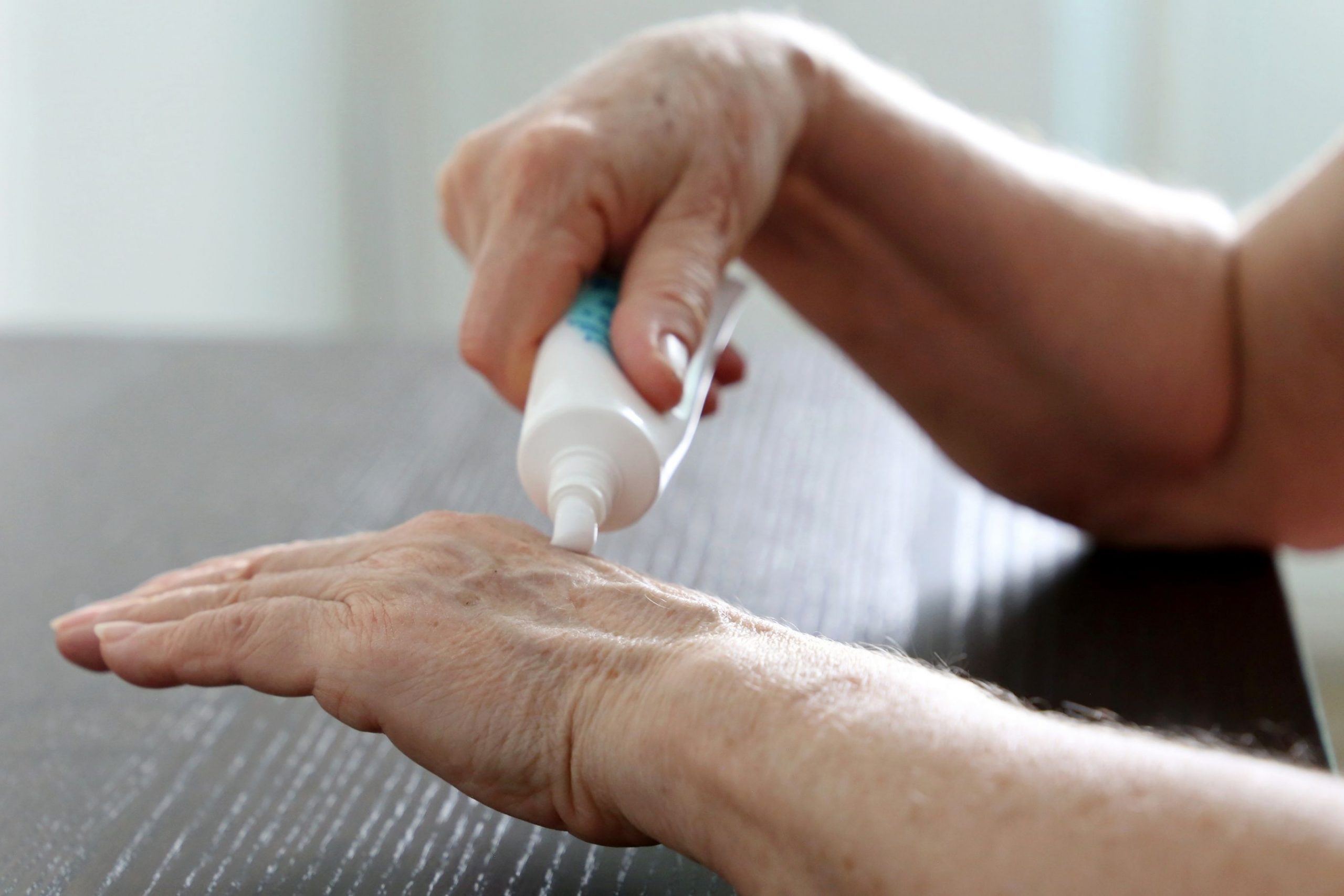
Image 1: Hydration and nourishment of the skin is essential.
Table of Contents:
- Common skin problems in old age
- Skin problems more severe in older people
- Tips on personal hygiene
- Lifestyle suggestions
Common skin problems in old age
The process of skin cell renewal slows down as people age. As a result, the skin tends to be thinner and drier. This increases the possibility of the formation of cuts or lesions that allow bacteria to enter the deeper layers of the skin.
Also due to the slowing of cell renewal, the healing period of the skin after a cut or infection is much longer. Here we have summarized the most common skin problems that older people might experience.
Dry skin
Causes
Dry skin can be caused by countless reasons such as loss of sebaceous glands, reduced ability to store water, stress and smoking. It could also be a sign of more serious problems such as diabetes, kidney failure, or liver disease.
Symptoms
Skin dryness is a common problem among adults. The skin tends to be rougher and scaly and could lead to xerosis (more on this later) or asteatosis eczema if not addressed well in the early stages.
Prevention/care
To help the elderly person minimize dryness, it is helpful to moisturize the skin daily with a gentle, hydrating cream that ideally contains shea butter and honey and has a self-balancing pH.
A isodermic body cream can help keep the skin of the elderly highly moisturized and prevent further damage. Therefore proper selection of bath and skin care products is necessary.
Most of the more serious skin diseases can start with simple dryness, so we have shared more tips in the later part of this article on how to manage it.
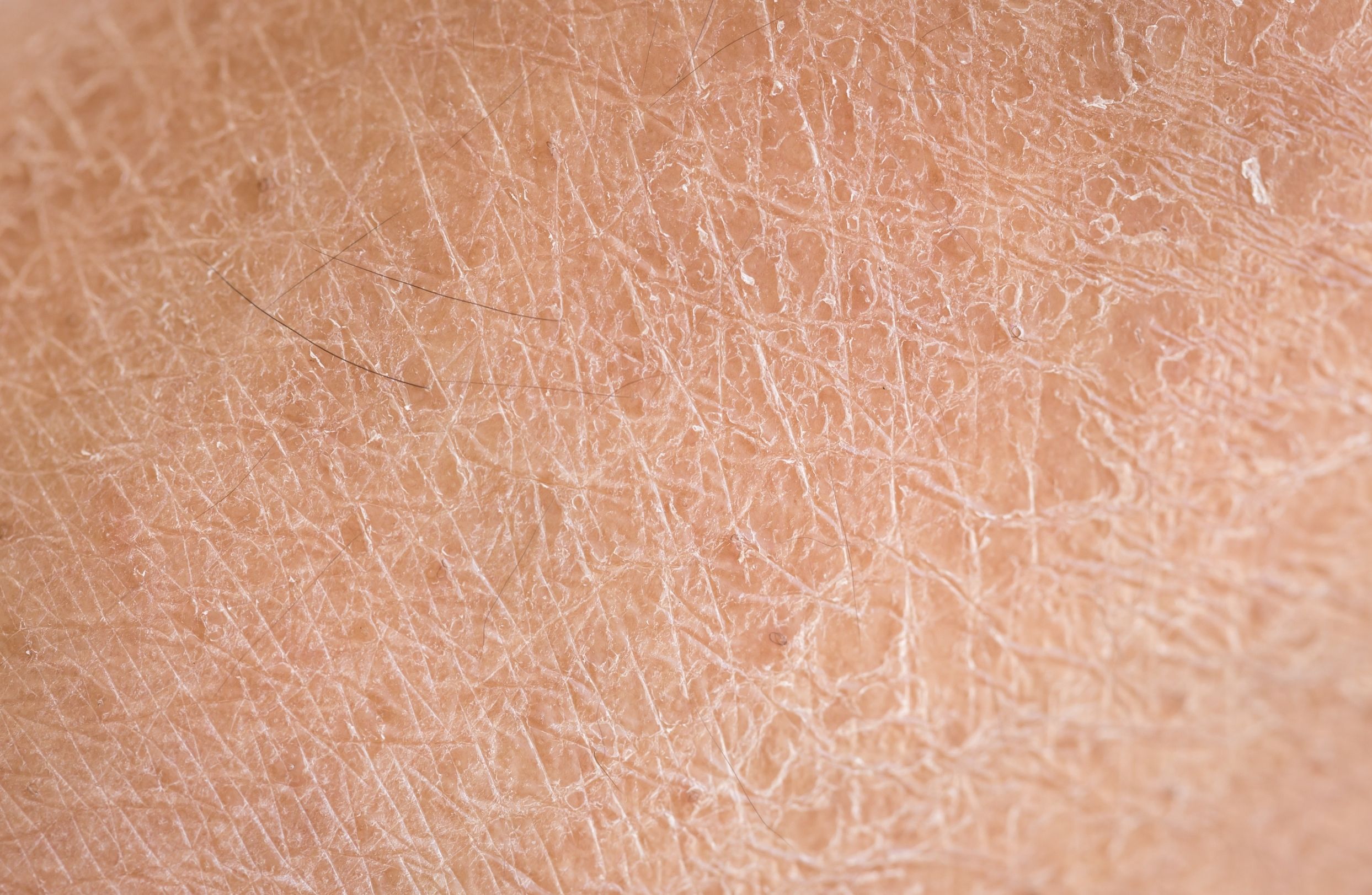
Image 2: Example of dry skin
Wrinkles
Causes
Wrinkles are the most visible signs of aging. They occur as the skin loses its flexibility and begins to produce less collagen, elastin fibers, and hyaluronic acid.
Prevention/care
Can skin elasticity be restored? Because their appearance is inherent in human nature, wrinkles cannot be cured but can be softened or slowed with the help of anti-aging products rich in natural ingredients that enhance each person’s complexion, help reduce wrinkles and thicken the skin.
Choose a nourishing face cream with a soft, velvety touch. The ideal cream should have a high amount of active ingredients, such as Poria Cocos and Kigelia africana extract. These two active components work together to reduce the most obvious signs of aging by increasing the thickness, radiance and microcirculation of the skin, as well as reducing the evidence of wrinkles.
Alternatively, tretinoin is another useful remedy that accelerates the process of creating new cells and repairing damaged ones. It also helps lighten skin pigmentation.
In addition to the anti-aging products and tretinoin, it is also advisable to reduce a person’s exposure to the sun’s rays and in any case to always apply a product with a high protection factor.
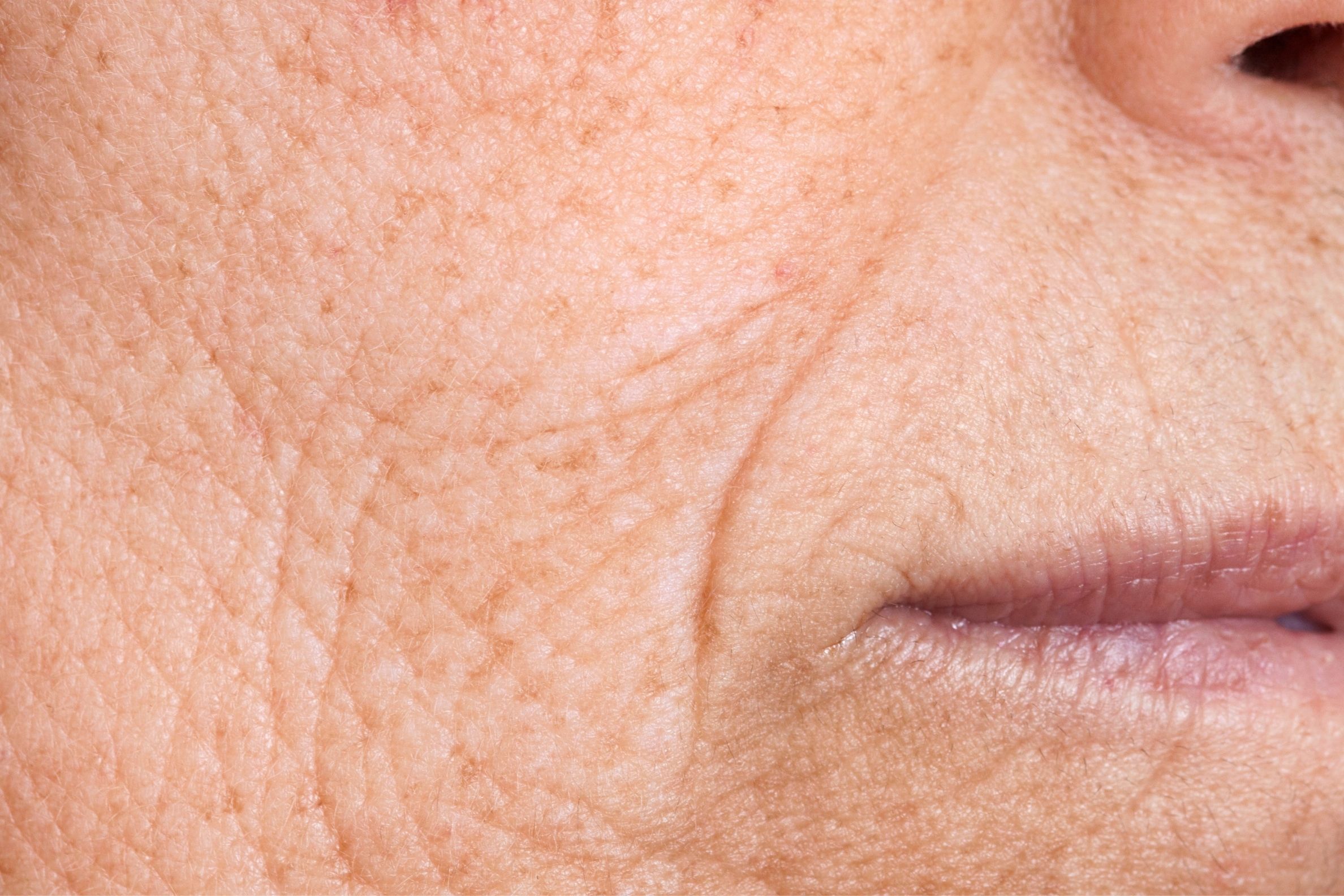
Image 3: Example of wrinkles. These in particular are commonly called “barcodes.”
Age spots
Causes
During adulthood, spots often appear on the face, hands, shoulders, and forearms. This is caused in many cases by changing melanin metabolism or by the long exposure to the sun that we have during our lives.
Symptoms
They are brown, gray or black spots that usually cluster in a particular area. They are non-cancerous and can be alleviated by using bleaching products.
Prevention
Age spots can be prevented by using sunscreen products that are effective in protecting a person from the sun’s UVA and UVB rays. We imagine that it is not easy for an elderly person to choose the most suitable product, so it is vital to consult a dermatologist for professional advice.
It is very important to combine the use of whitening and sunscreen products with cleansing done with an excellent facial cleanser based on natural ingredients such as cornflower and lotus flower for a natural, astringent and refreshing action, as well as shea butter for soft, silky skin.
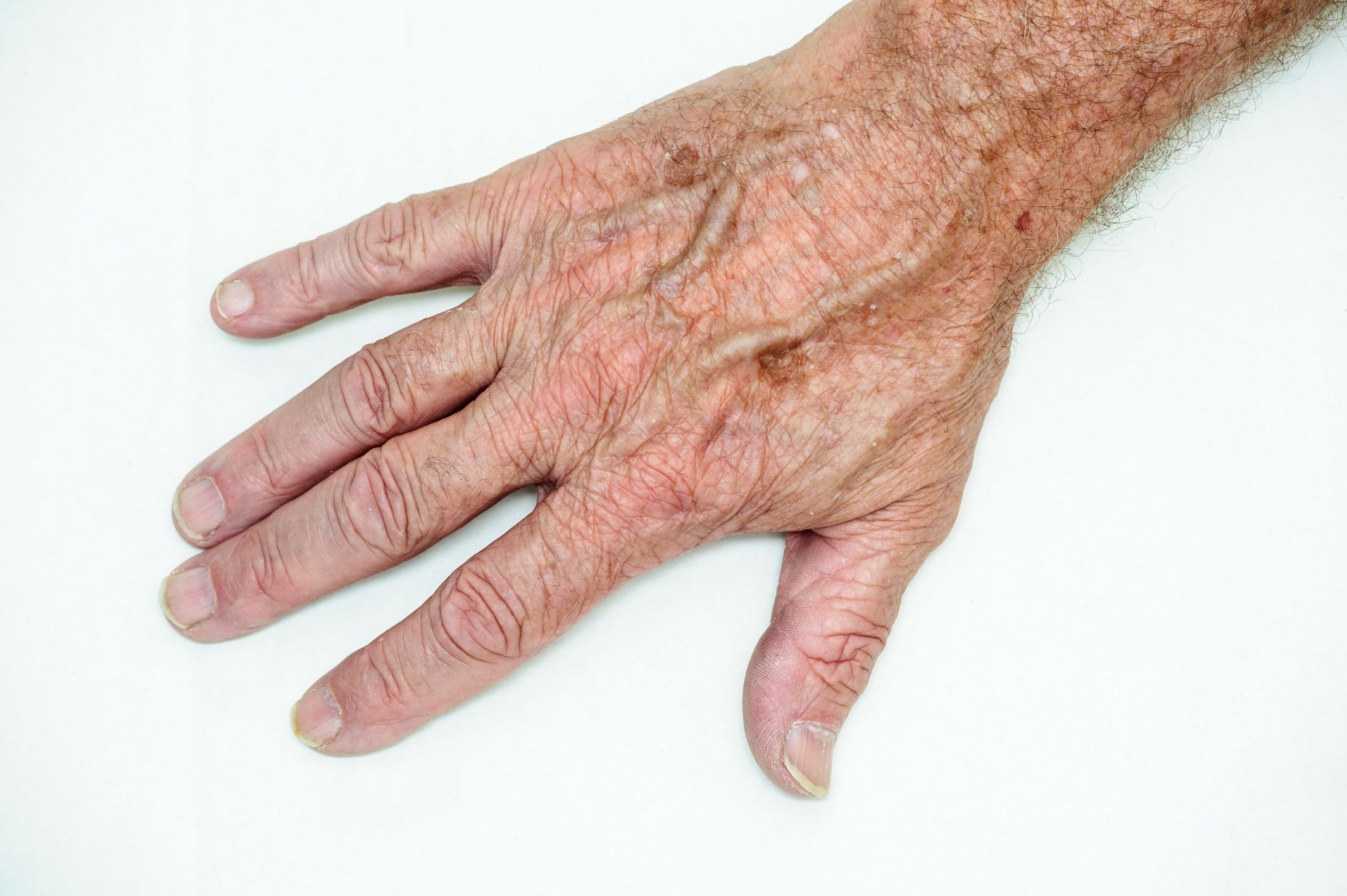
Image 4: Typical example of senile spots located on the back of the hand
Skin problems more severe in older people
As stated earlier, there are skin disorders associated with old age caused by generalized health problems , personal habits, and external environment. More caregiver attention is needed for these skin problems, but most importantly, it is important to seek expert medical attention to avoid complications.
Senile freckles and skin cancer
Cause
Like age spots, pigmentation changes such as senile freckles often result from sun damage to the skin.
Symptoms
Senile lentigines are brown spots that look like normal freckles but are larger. If they become more prominent and larger, they could also develop into something more serious, such as skin cancer.
Prevention/care
Apply sunscreen to exposed parts of the elderly person’s body every time he or she goes outside. Use the right products, getting advice from your doctor or pharmacist of choice. Wearing hats, long sleeves, and long pants can also help with prevention because you decrease exposure to sunlight.
Senile freckles can be removed by a specialist through freezing, electrosurgery, or application of chemicals.
According to research, there were 150,627 new cases of cutaneous melanoma in Europe in 2020 (source: Globocan). Comparing this figure with those of previous years shows that there is a sharp increase in recent years.
Therefore, prevention is of paramount importance. Check with a doctor as soon as signs of senile freckles are most visible on the skin, so that the skin can be immediately brought under control and more serious problems can be avoided.
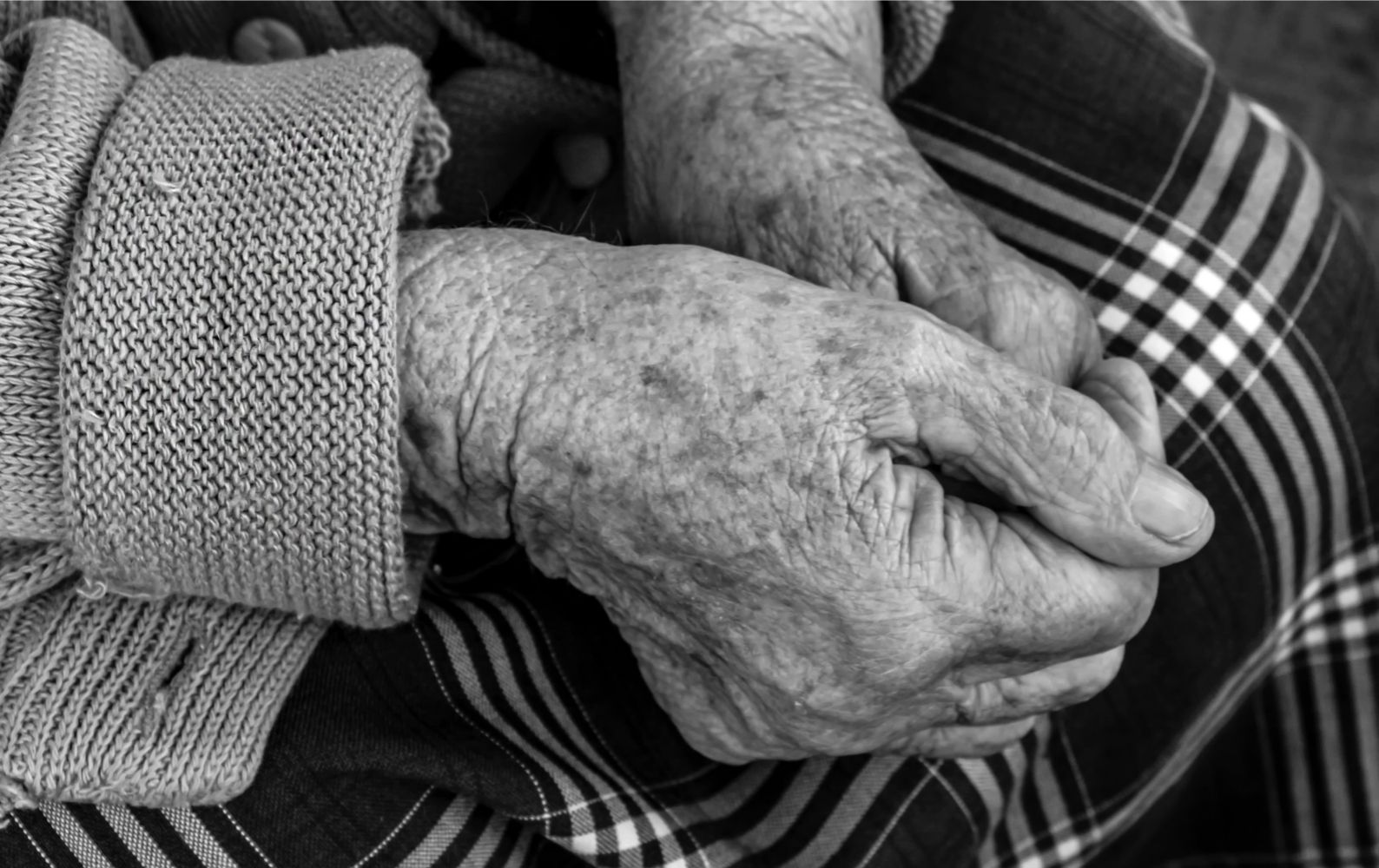
Image 5: Freckles due to sun exposure localized on the hands.
Bedsores
Causes
Bedsores present at an early stage as a reddened area on the skin. They occur mostly in people who are forced to sit or be bedridden for a long period.
In fact, the blood supply that is distributed to the skin by the capillaries begins to be interrupted after more than 3 hours of continuous pressure, and the skin begins to suffer the first damage.
Symptoms
There are 4 stages of pressure sores:
- Stage 1: The still intact skin is deep red and tends to be slightly itchy and sore.
- Stage 2: The skin takes on a whitish color, accompanied by swelling, blisters, or minor open wounds.
- Stage 3: A crater-like wound is created that extends deeper into the skin until it reaches the fatty part.
- Stage 4: The wound extends beyond the fatty part reaching the muscles and tendons. In severe cases it reaches to the bones, risking more serious infections.
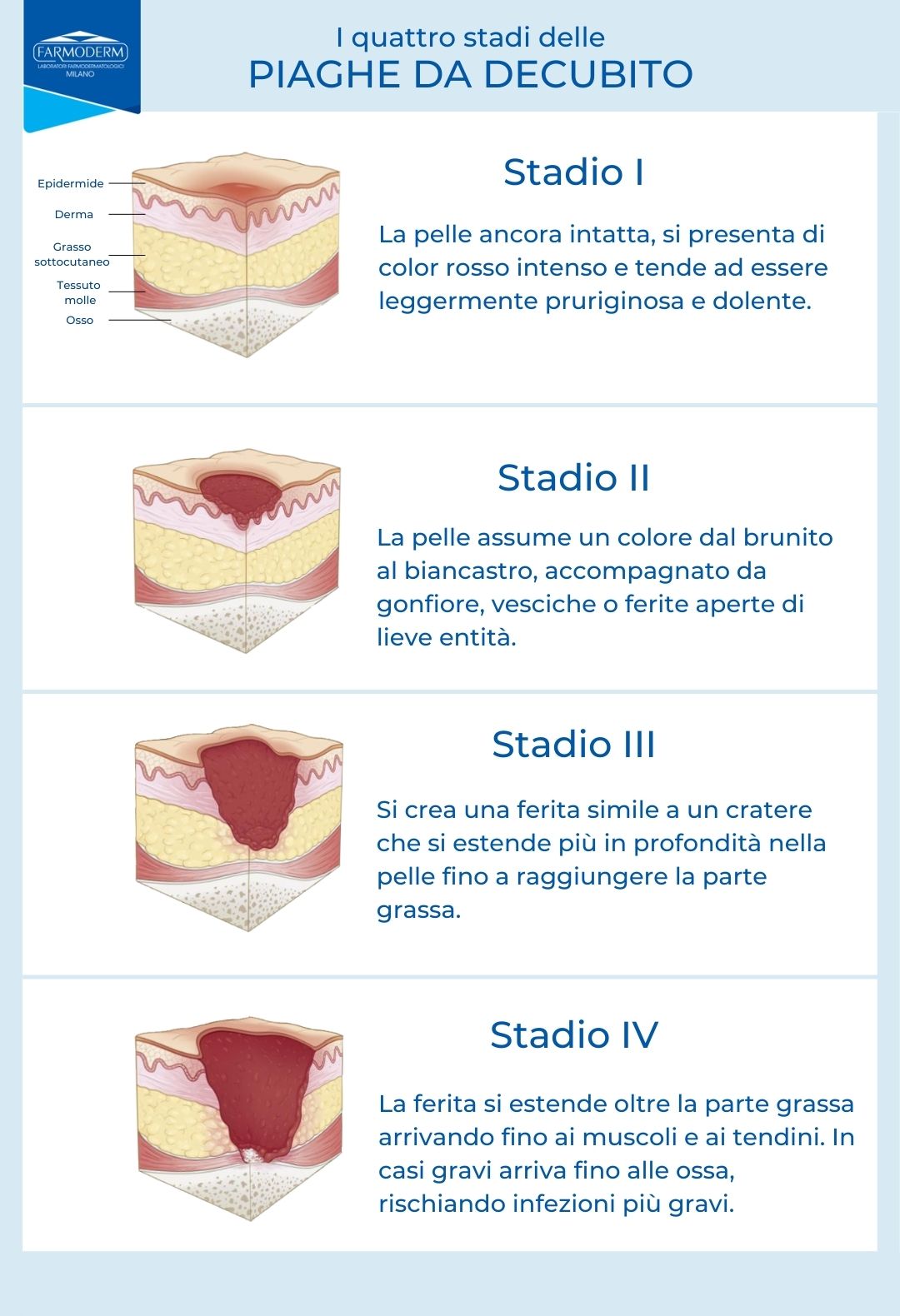
Infographic 1: The 4 stages of a pressure sore
Prevention
It is most important to prevent the occurrence of pressure sores because their progression to more advanced stages brings with it the increased likelihood of infection. Bedridden people are more likely to progress to more aggressive stages, but this must be avoided. To do this, the role of the caregiver is essential because they must:
- Help the elderly person avoid prolonged pressure on the ankles, heels and buttocks because they have thin skin that can easily tear. It is recommended to change positions regularly, every hour or two.
- Keep the attendant’s skin constantly clean and dry and check daily for any redness, swelling or soreness. Inform a physician if there are any changes in the skin
- Avoid soaps, body cleansers and talcum powder that dry out the skin. Ask a dermatologist or specialized people for safer information.
- In cases of first- or second-degree pressure sores, a water-based (not oil-based) moisturizer is needed daily. It can protect the skin and let it breathe.
- Do not rub or massage bone areas while bathing.
- Always use protective mattresses, seat cushions, heel wedges and limb guards to protect the elderly person’s skin from tears and pressure sores.
- Ensure that the caregiver is always well hydrated (unless the doctor has advised against this).
- Ensure regular meals and help the elderly person sit out of bed to eat if they can.
- Have people maintain regular daily hygiene.
- If the person has a pressure sore of any degree, plan dressing and care routines with the nurse or attending physician.
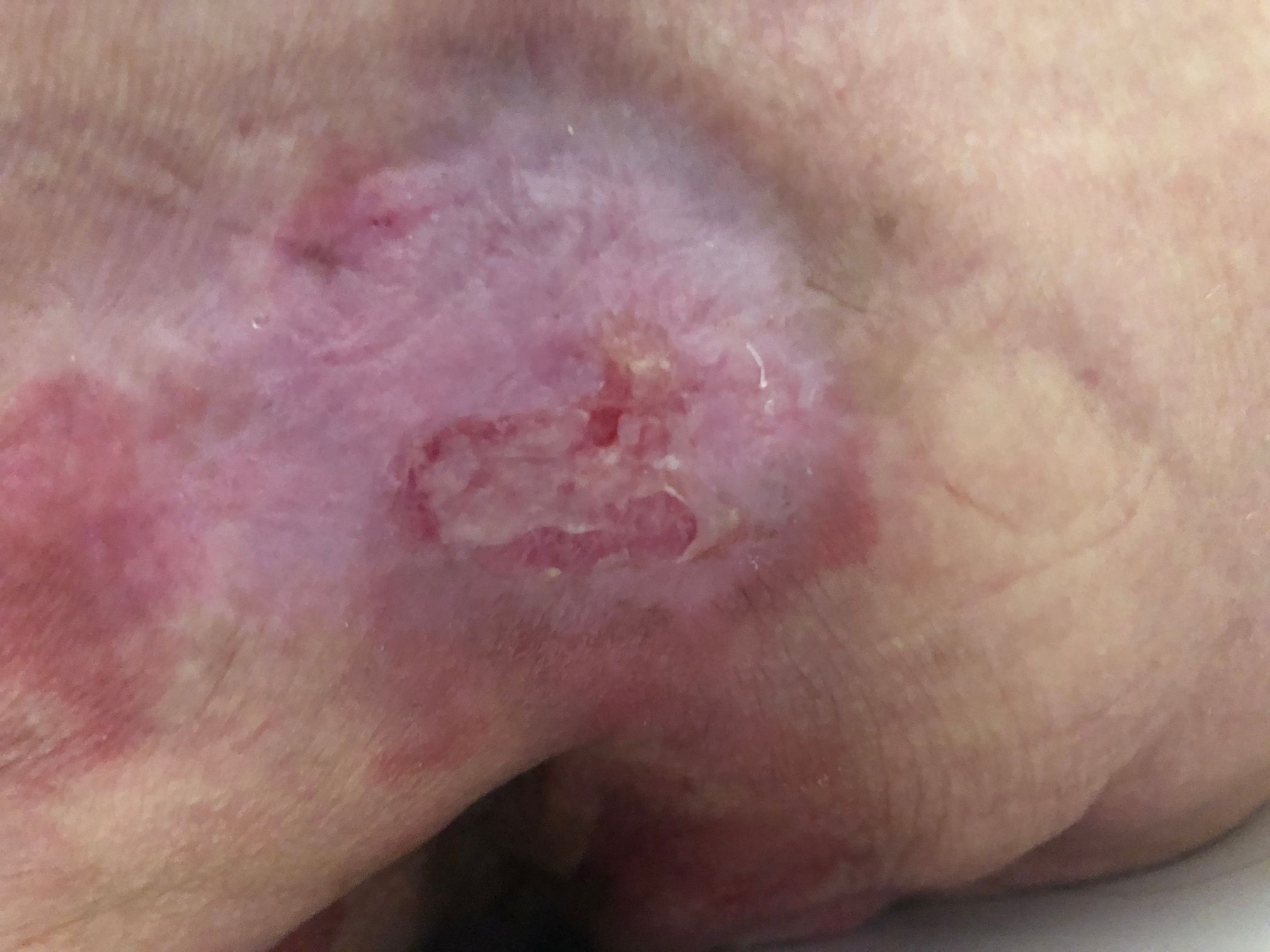
Image 6: Second-degree pressure sore located in the hip area.
Xerosis
Causes
Older people may suffer from xerosis due to reduced activity of the sebaceous and sweat glands. This condition makes the skin less hydrated, nourished and protected. In severe cases, xerosis can also be caused by kidney disease, zinc and essential fatty acid deficiency, thyroid disease, and neurological disorders.
Symptoms
Xerosis usually shows up on the legs of the elderly, but can also be seen on the hands and trunk. Splits and fissures appear on the skin and, if they reach the deep layers, can cause bleeding. If the person scratches to seek relief from the itching sensation, the skin irritation worsens and can cause infection.
Prevention
It is most important to intervene with preventive treatment to alleviate early symptoms during the initial stage, when the skin is simply dry and itchy.
Essential is to use cleansers and moisturizers that contain lactic acid as this is an effective antimicrobial and also helps to eliminate dead skin cells. It is also very important to use soaps and cleansers with natural ingredients to minimize further damage to the skin.
We recommend seeking immediate help from a dermatologist or physician if the condition worsens despite treatment, such as when the skin starts to bleed, peel, or begins to have ring-shaped rashes.
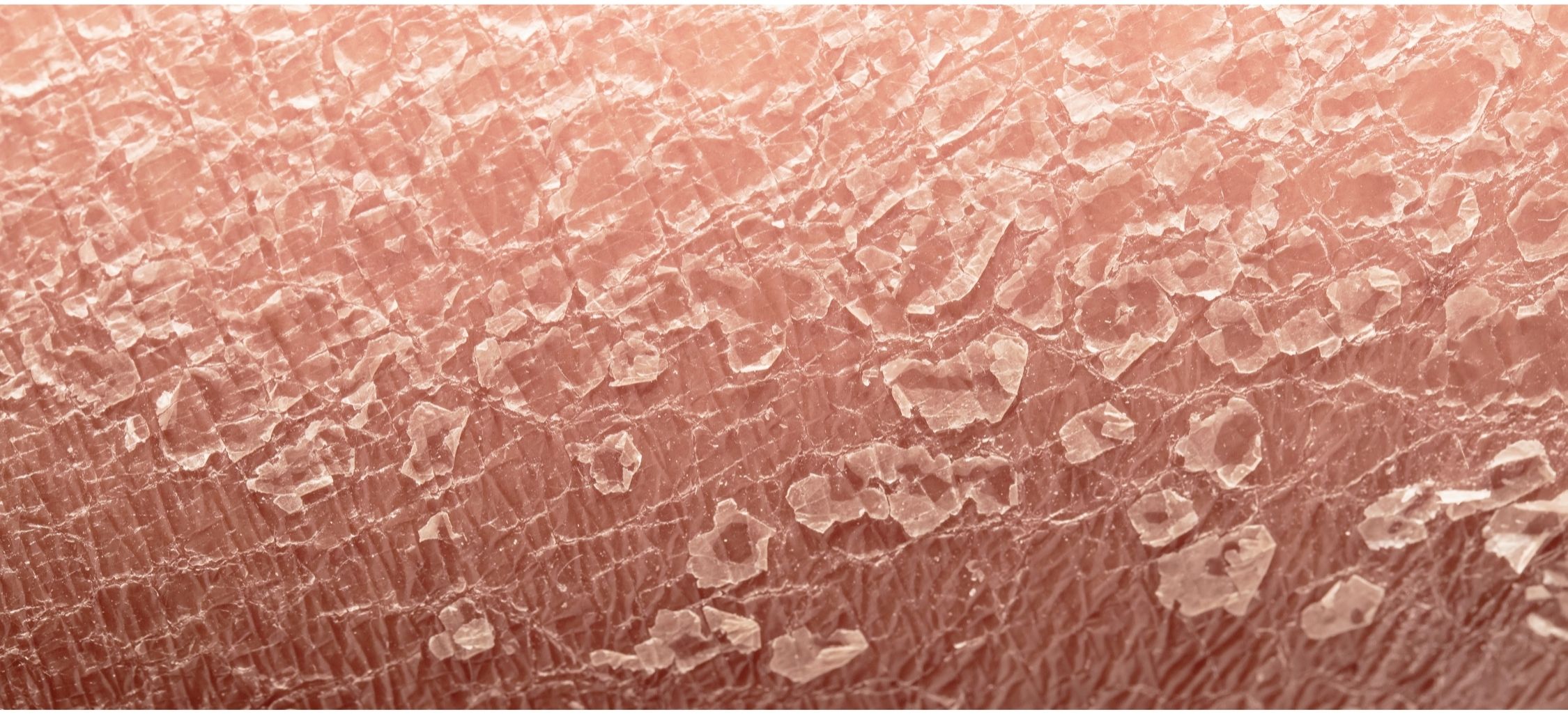
Image 7: Damaged skin in an elderly person
Itching
Causes
This is another very common dermatological problem in the elderly. It affects the scalp, arms, legs or even the whole body.
Sometimes itching is related to psychological conditioning that leads to the tic of scratching all the time, it may be related to poor peripheral circulation, or it could result from liver or kidney disease, diabetes, and other chronic diseases. It could also be caused by allergens or existing skin problems such as xerosis, eczema, psoriasis.
Symptoms
It is very bothersome because the person feels a constant urge to scratch, as the area becomes increasingly itchy over time. In the long run, blisters, redness and lesions occur.
Prevention
To help prevent itching, you can apply these dermatologist-approved remedies:
- Apply an ice pack to itchy skin for a cooling effect.
- Use a soothing, anti-inflammatory cream such as Total Gen. Before using it, you can refrigerate it for a cooling effect.
- Help relieve itching by preparing a bath by dissolving oatmeal in the water for the assisted person.
- Use lukewarm water (not hot because it can dry out the skin even more) for bathing or showering and limit it to less than 10 minutes.
- Maintain a balanced humidity within the room or house as extreme temperature changes can cause itching.
- Purchase hypoallergenic “fragrance-free” lotions, soaps and detergents to minimize irritation. Check labels for ingredients to make sure no potentially allergenic chemicals have been added.
- Apply any prescribed medications before the moisturizer.
- Try to reduce caregiver stress because it can worsen itching.
If itching affects a large part of the body and is not manageable on its own, it is essential to consult a medical specialist.
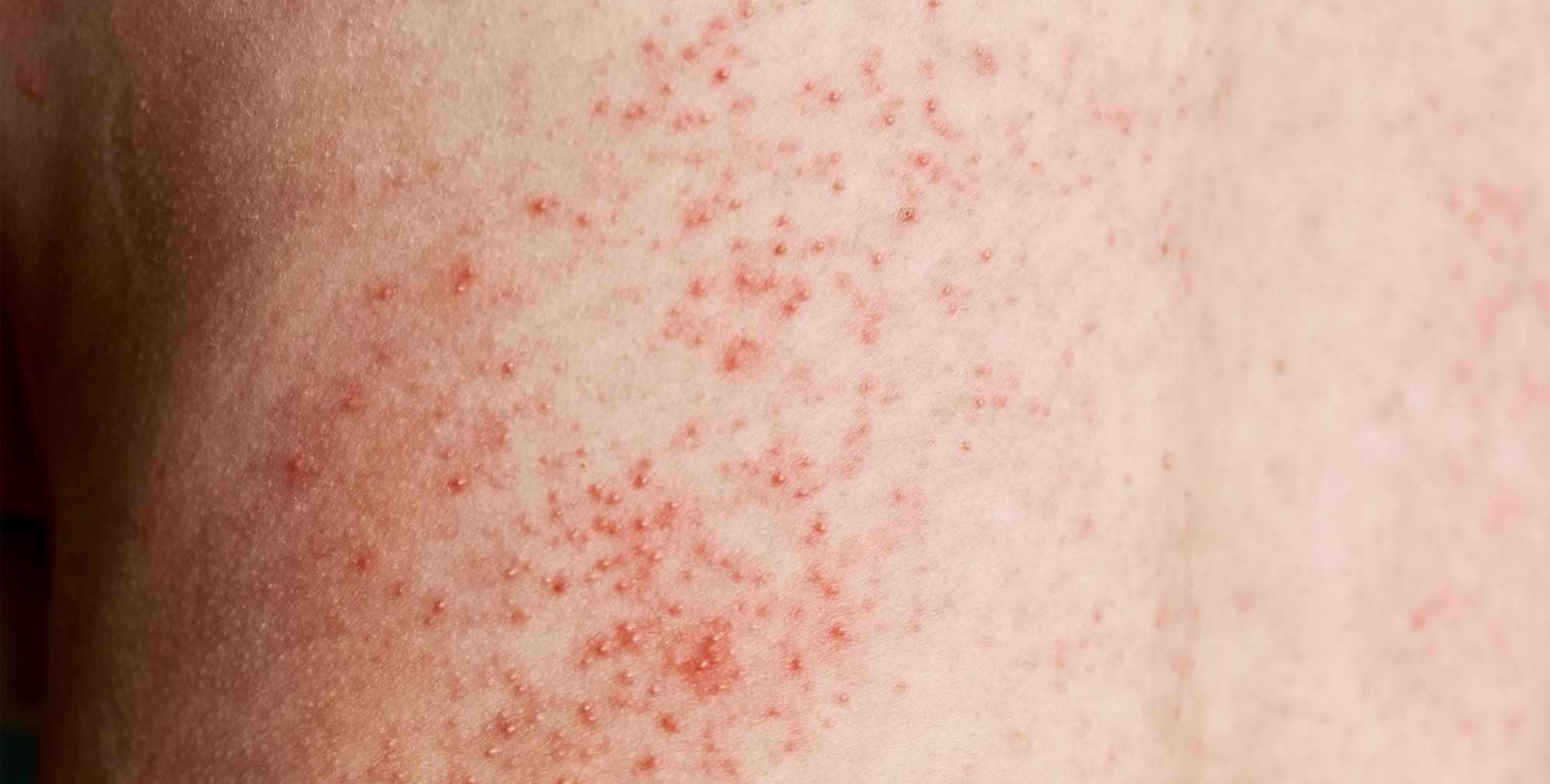
Image 8: Skin irritation in an elderly person causing itching
More tips for managing dry, itchy skin in the elderly
As mentioned earlier, dry, itchy skin could be the beginning of a more serious skin problem if not managed immediately. Below we have carefully collected remedies that you can use at home to help ease the suffering of the person being cared for and prevent the progression of their condition.
Tips on personal hygiene
- Use a mild cleansing soap formulated for dry skin or specific cleanser containing a moisturizer with VITAMIN E complexed with Lipoic Acid and Bisabolol to provide a targeted response to the needs of dry, cracked skin prone to redness and other changes.
- Apply a moisturizing lotion, ointment or cream created to help regenerate skin cells every day. A moisturizing lotion is a good solution because it is specifically formulated for dry, scaly skin.
- Apply immediately after bathing for best results. In case the elderly person’s skin remains dry and itchy even after regular application of moisturizers, consult a dermatologist.
- Make bathing less frequent. A full bath once a week is sufficient to prevent the skin from losing its natural moisturizing factors.
- Bathe or wash the assisted person’s face and hands with warm water. Don’t forget to apply a hypoallergenic lotion or moisturizer after each hand, face or body wash.
- Use a soft cloth (microfiber or organic cotton) for bathing and showering instead of sponges or abrasive products. Remember that skin in old age is much more fragile.
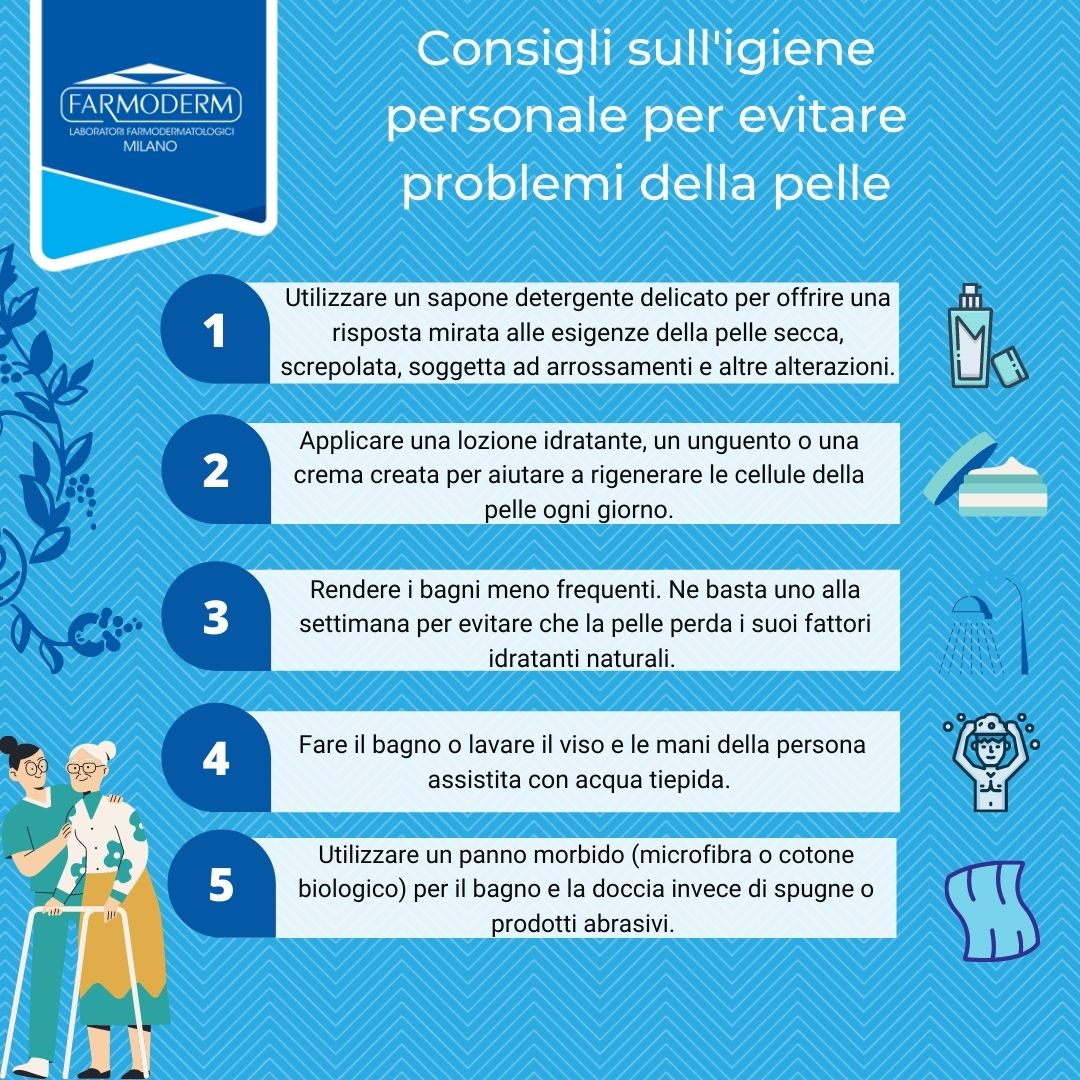
Infographic 3: Personal hygiene tips to prevent skin problems
Lifestyle suggestions
- Help the caregiver wear loose, comfortable clothing (preferably cotton rather than polyester or other synthetic fabrics).
- Regularly change and wash the assisted person’s clothes and bedding to stay clean and prevent the growth and spread of bacteria that can worsen skin irritation and itching.
- During winter or dry seasons, use humidifiers and vaporizers inside homes or room to add moisture to the environment. Humidifiers also have other health benefits, such as contributing to respiratory well-being…
- Keep the person constantly hydrated by increasing his or her intake of water and other fluids. Some elderly people have difficulty remembering to drink and swallow, so your assistance is important. Men should drink at least 2 liters while women should drink at least 1.6 liters of fluids per day. Offer a variety of beverages such as tea, juice, and water according to her preferences.
- Limit caffeine in your diet as it can contribute to itchy and dry skin.
Conclusion
Caregivers and caregivers can help prevent or treat skin disorders in the elderly, regardless of whether the cause is intrinsic (natural) aging or extrinsic aging (environment or lifestyle).
First, it is always advisable to consult specialists. The second step is onsidering in the medical consultation their diet and their physical and mental state. From there one can figure out what is the correct diet to offer, what are their limitations in terms of activity, and what products to use for their personal hygiene.
The best treatment for these common skin problems is definitely prevention. However, it is also possible to intervene with good results by managing them in the early stages of onset of symptoms. Check the caregiver regularly for suspicious spots or changes in their skin.
Frequently asked questions
How to entertain a bedridden person?
Chere are several ways to entertain someone who is bedridden. You can engage in conversations about topics of interest to both of you. You can watch a movie or series together. You can play board games or cards to keep him busy and entertained at the same time.
How to cheer up a bedridden person?
Cheering up a person who is bedridden can sometimes be difficult. Many times a visit or a phone call may be enough to lift their mood. You can consider spending more time with them and visiting them more often to cheer them up.
Engaging in activities for two, such as board games can also be effective in making them feel better. Another way to cheer up a bedridden person is to give them a thoughtful gift.
What can you do for fun when you can’t walk?
Bedridden people are obviously physically limited, but there are still many fun activities they can do.
Listening to music, watching TV, reading a book, drawing, playing board games, solving puzzles, playing video games, and engaging in crafts are all good engaging activities.